
Starting a running routine can feel like an intimidating journey, especially if you have never considered yourself an athlete. When you watch experienced runners effortlessly gliding down the street or crossing the finish line of a half marathon, it is easy to assume they were born with a natural ability to run long distances. The truth is that every runner, regardless of their current skill level, had to take a first step somewhere. They all had to figure out how to start running, how to breathe, what shoes to wear and how to avoid giving up.
Whether you are looking to improve your fitness, boost your mental health or cross a local 5K race off your bucket list; running is a great way to transform your health. However, diving in too fast or pushing too hard is a guaranteed recipe for burnout and injury. The key to becoming a lifelong runner is starting slowly, setting realistic expectations and following a structured, progressive plan. This comprehensive guide is designed specifically for beginners. It will walk you through exactly how to start running. We will cover everything from how to start running if you are very unfit, choosing the perfect pair of running shoes, mastering the run walk interval method and more. By the time you finish reading you will have a clear, step-by-step roadmap to guide you through your first few months of running.
Gear guide: setting yourself up for success
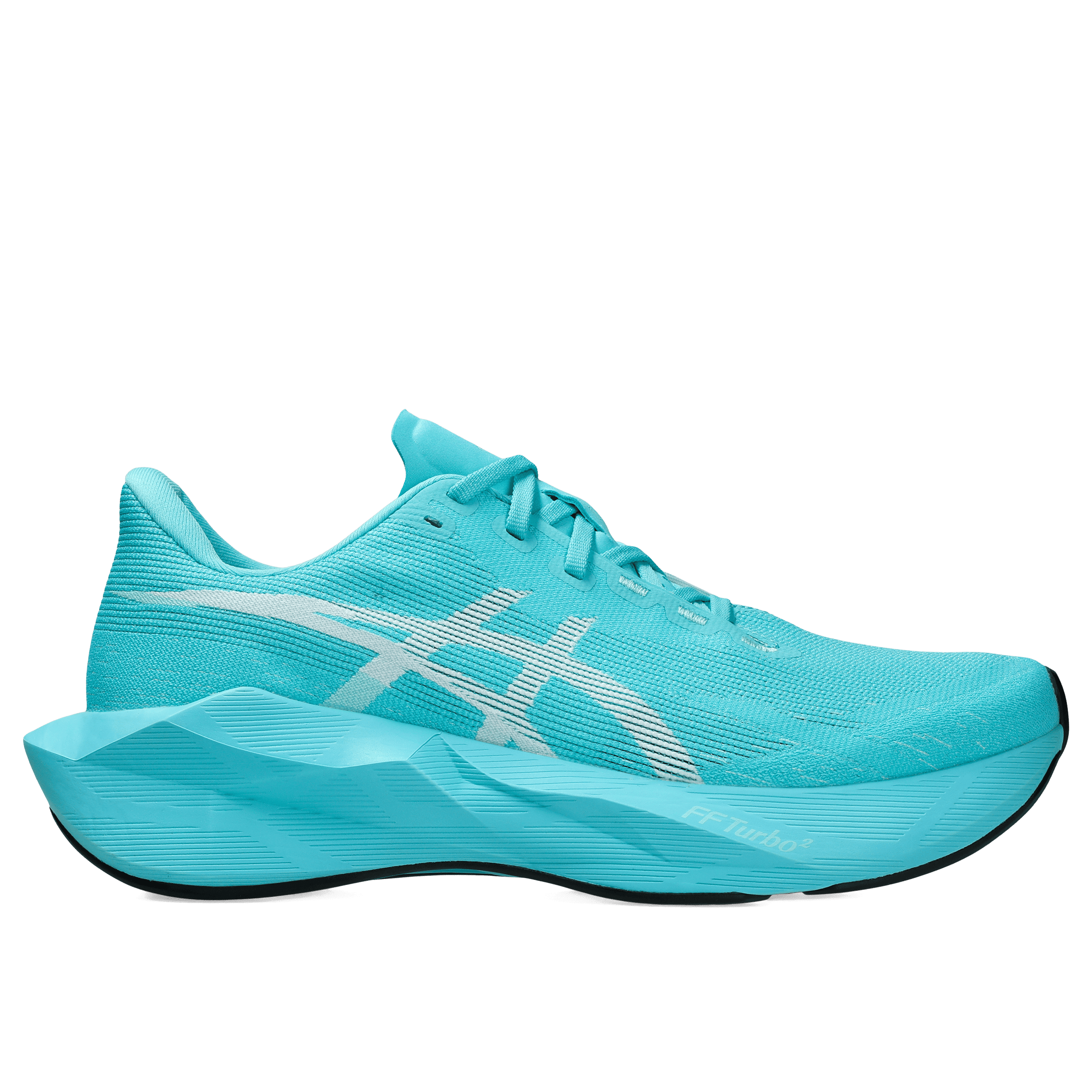
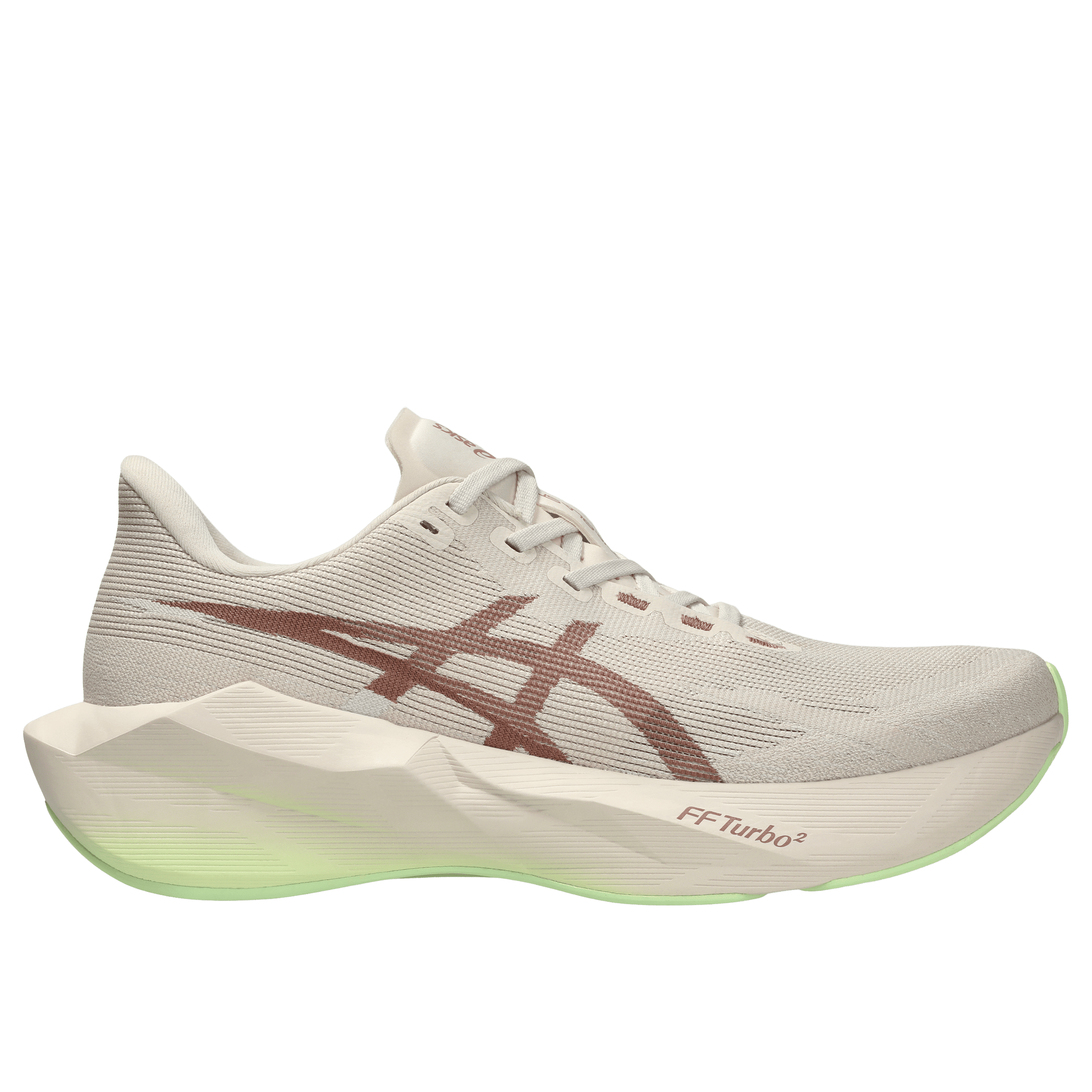
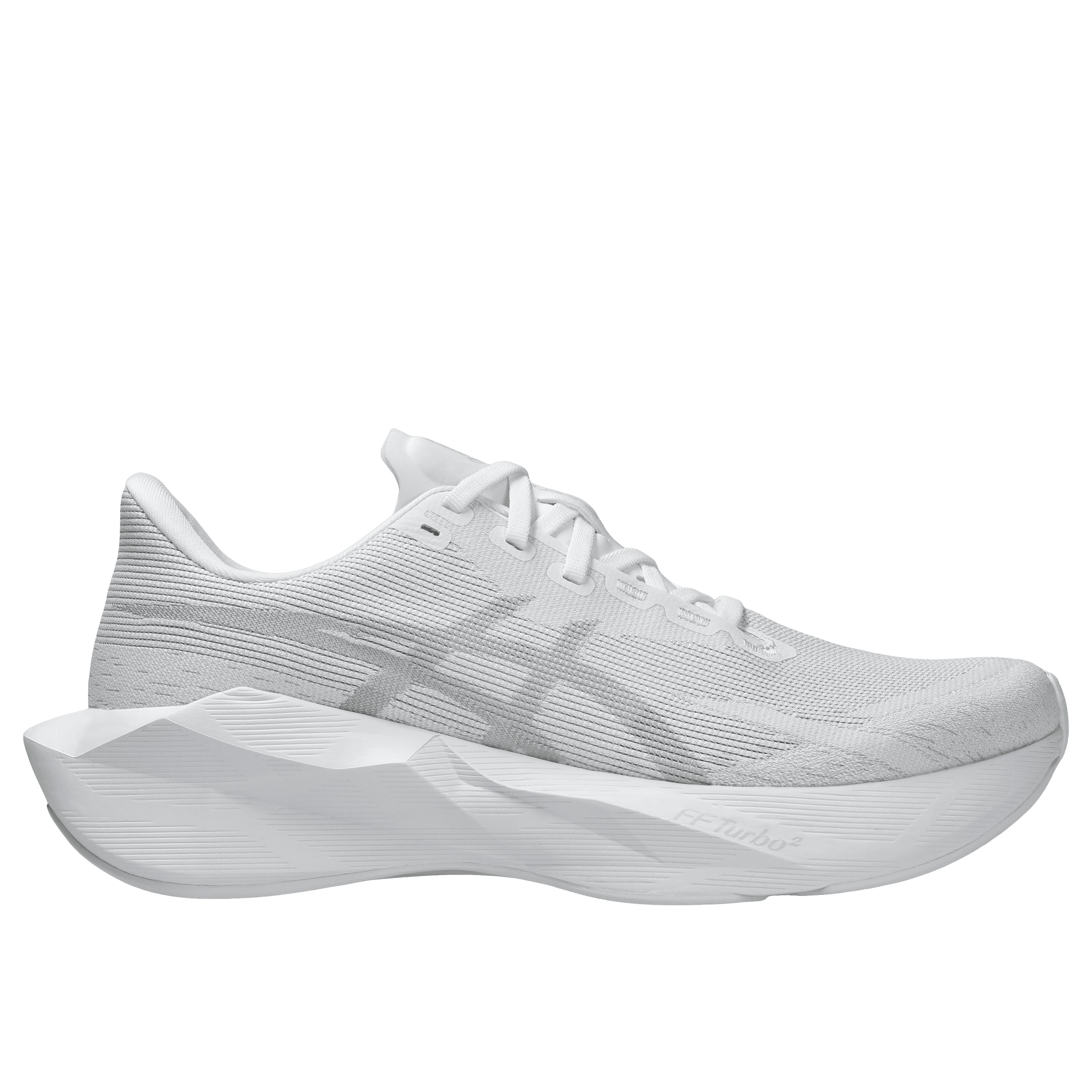
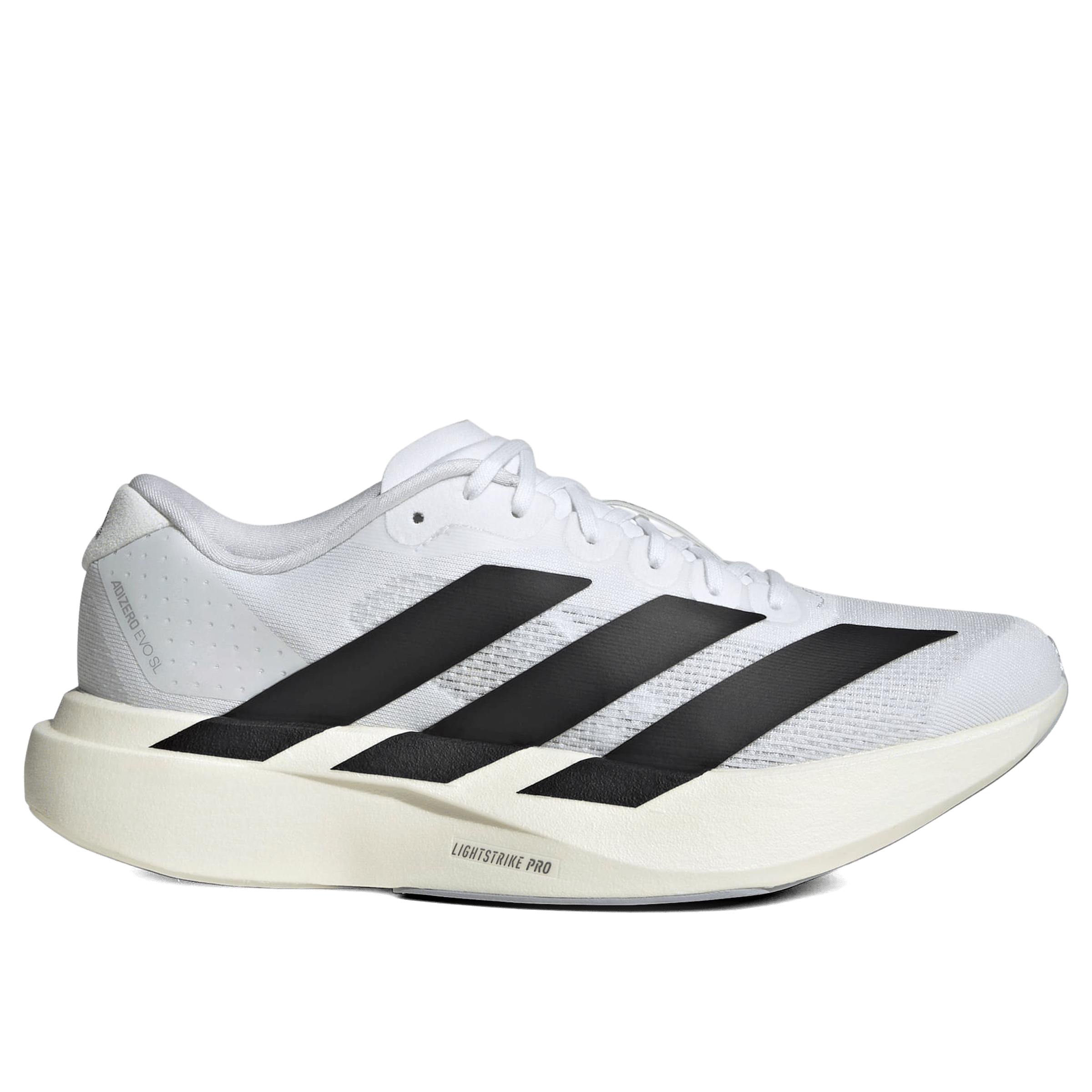
Investing in a few essential pieces of gear, specifically a good pair of shoes, can make the difference between a joyful experience and a painful one.
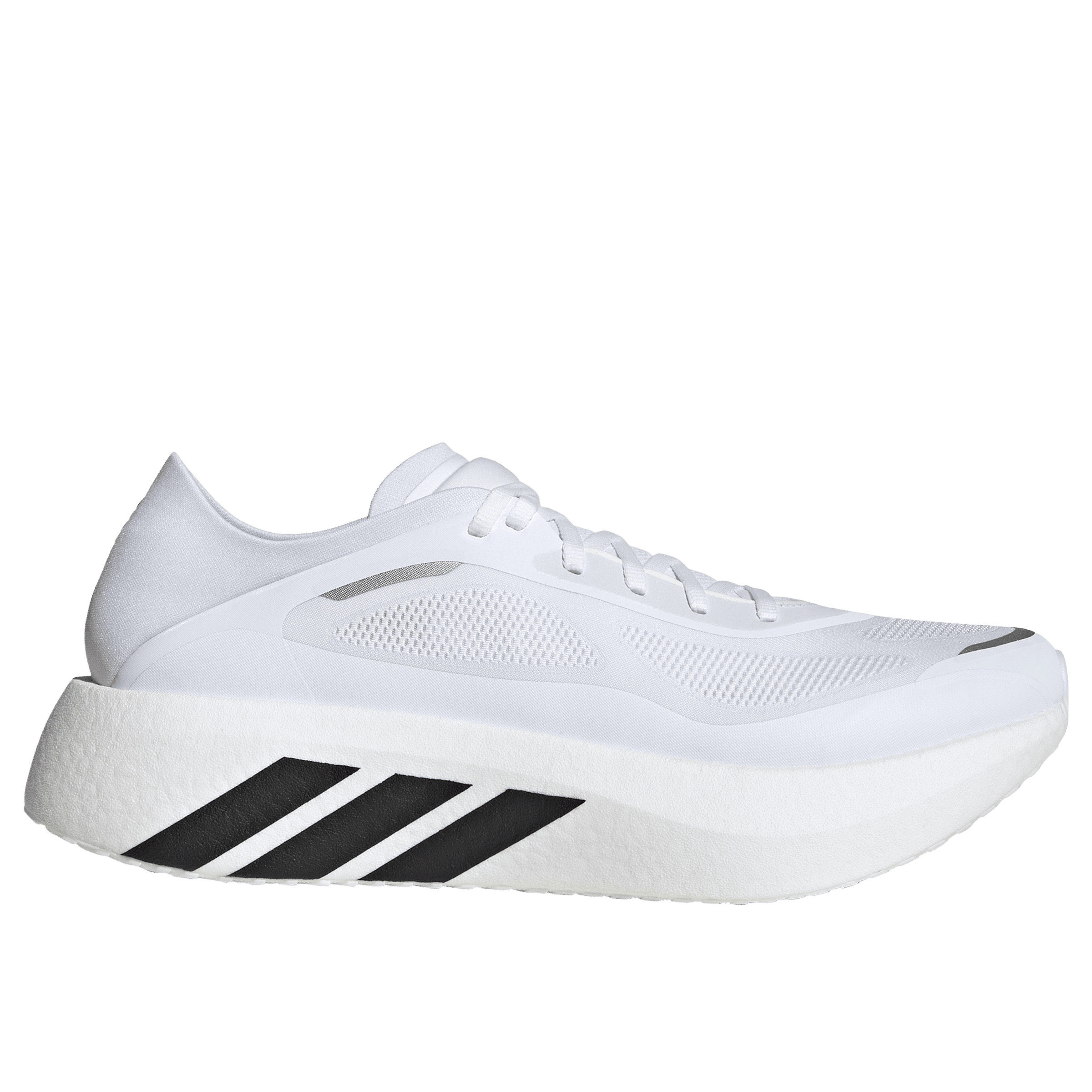
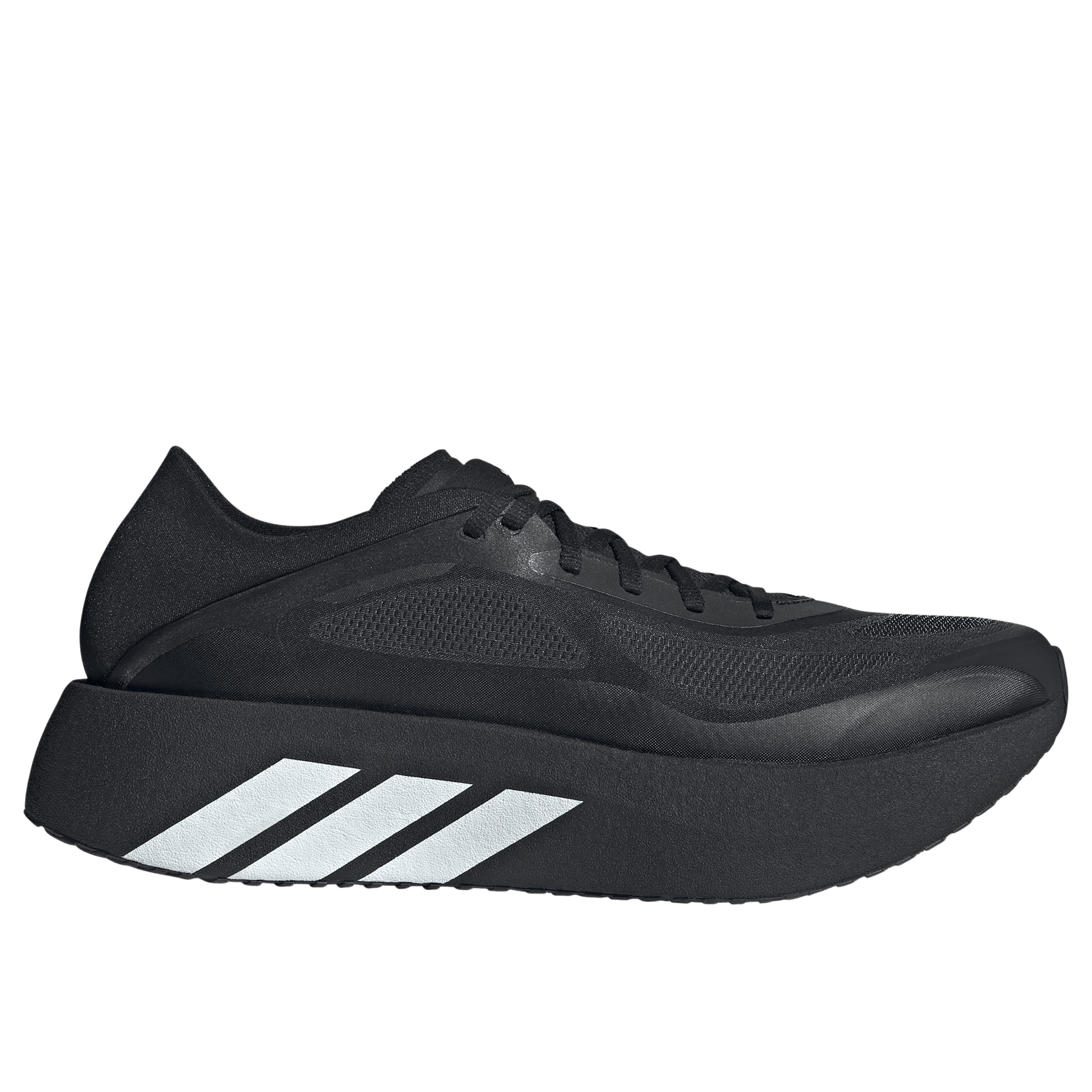
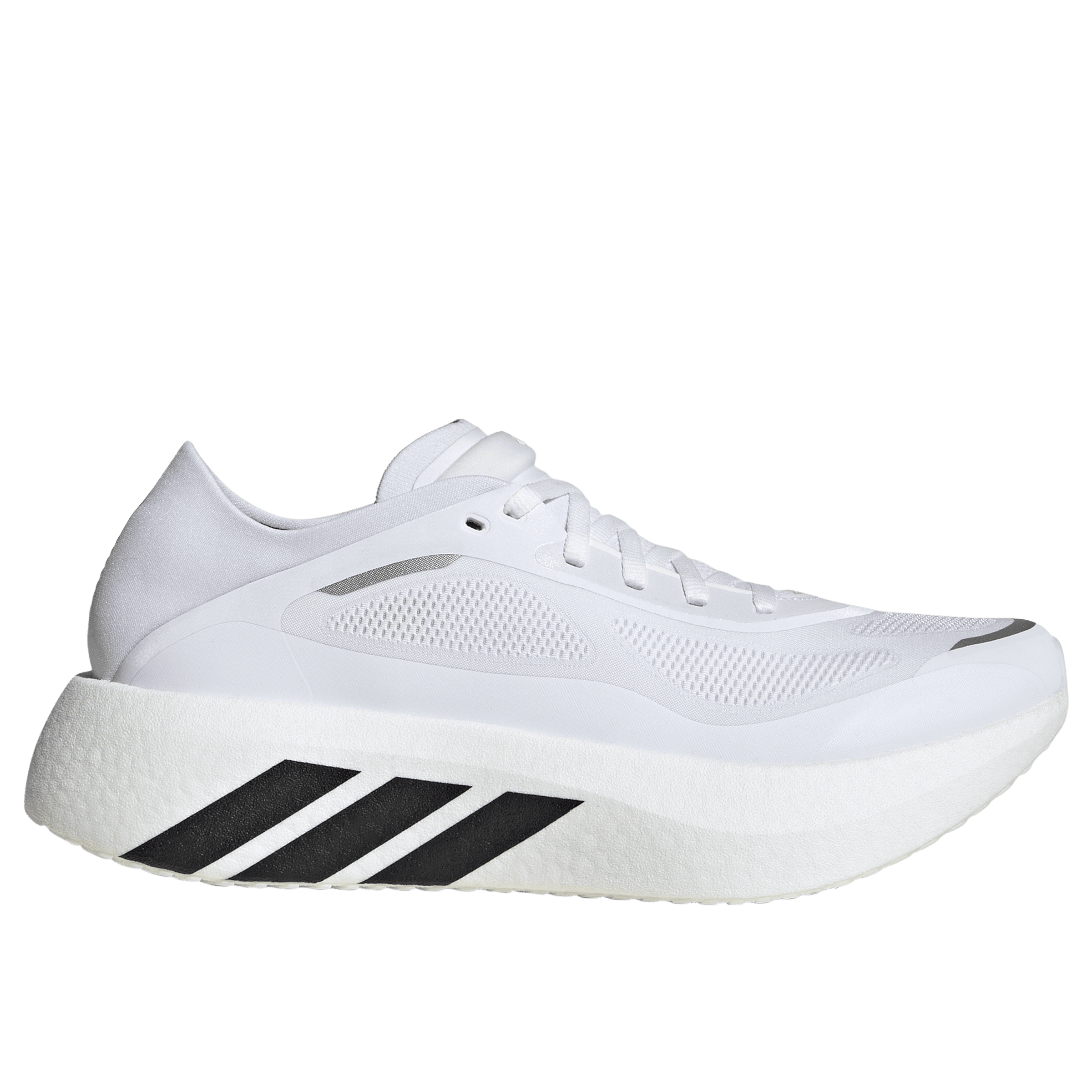
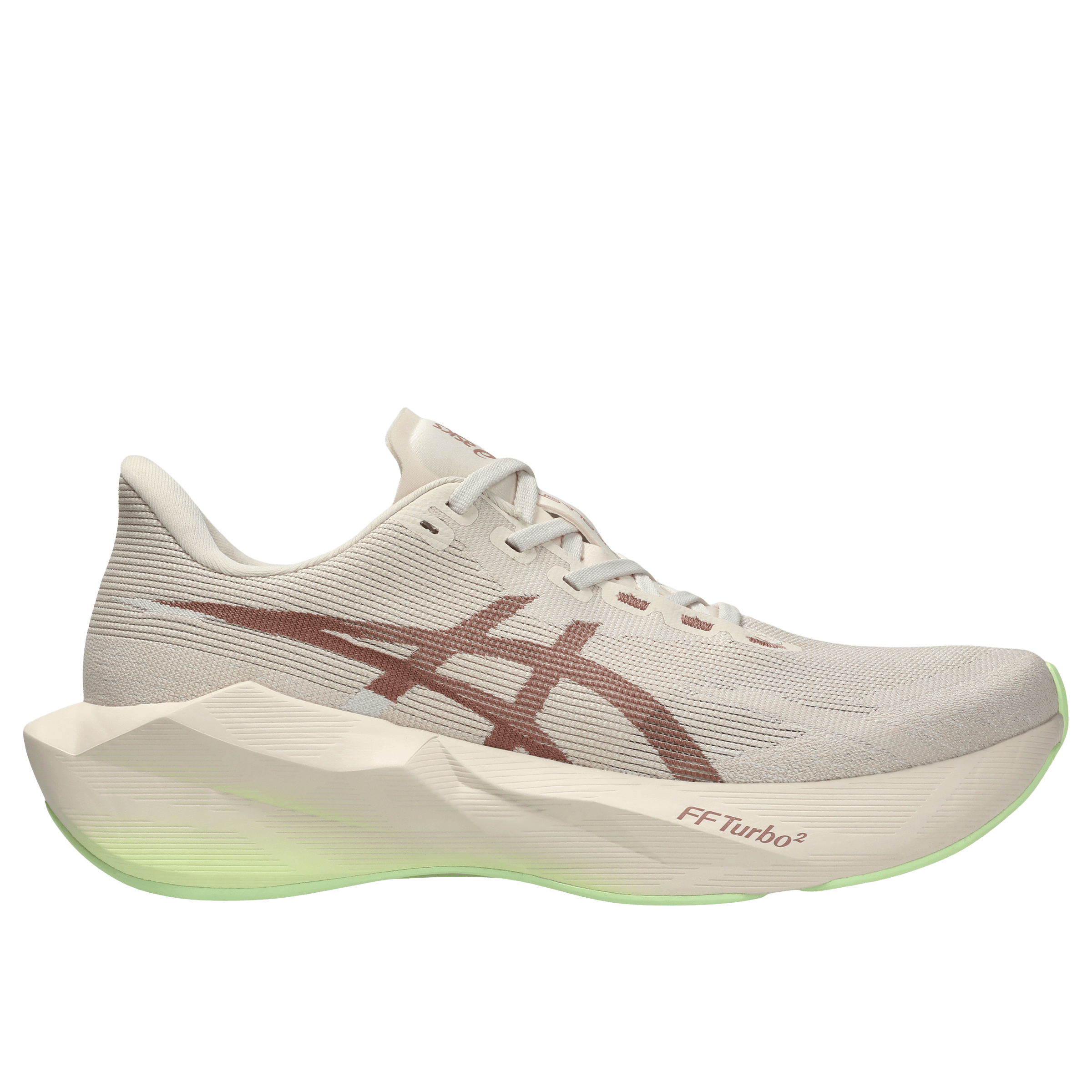
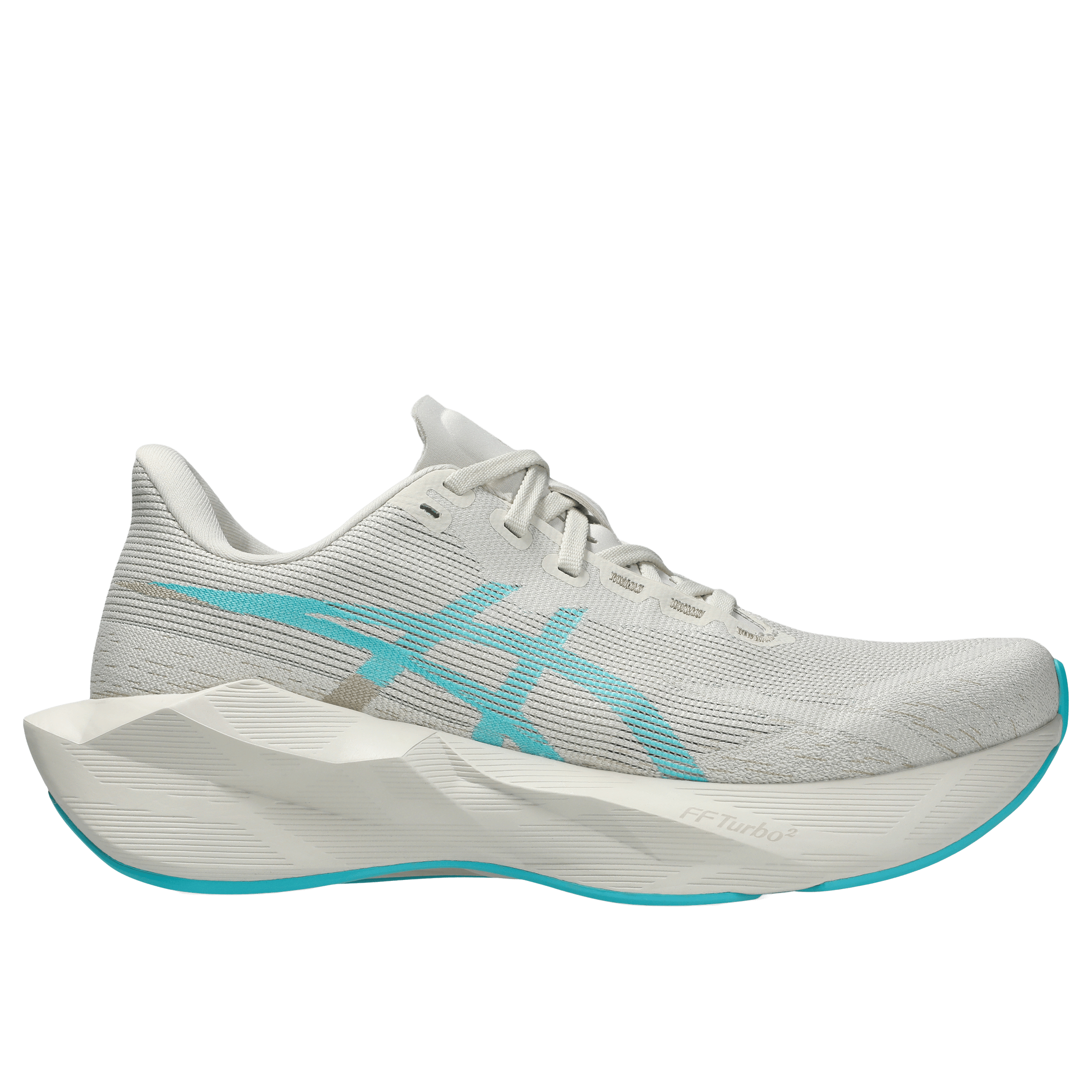
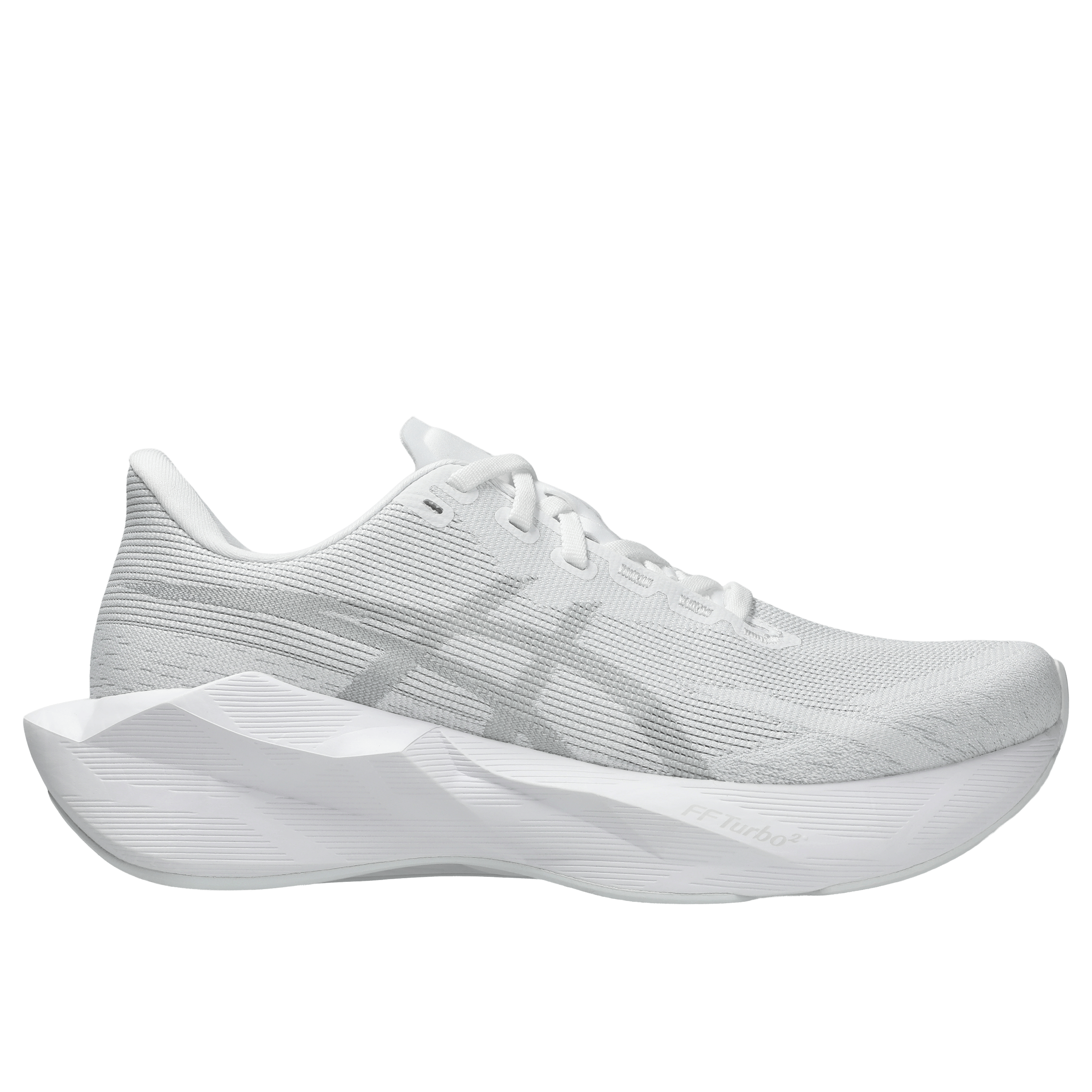
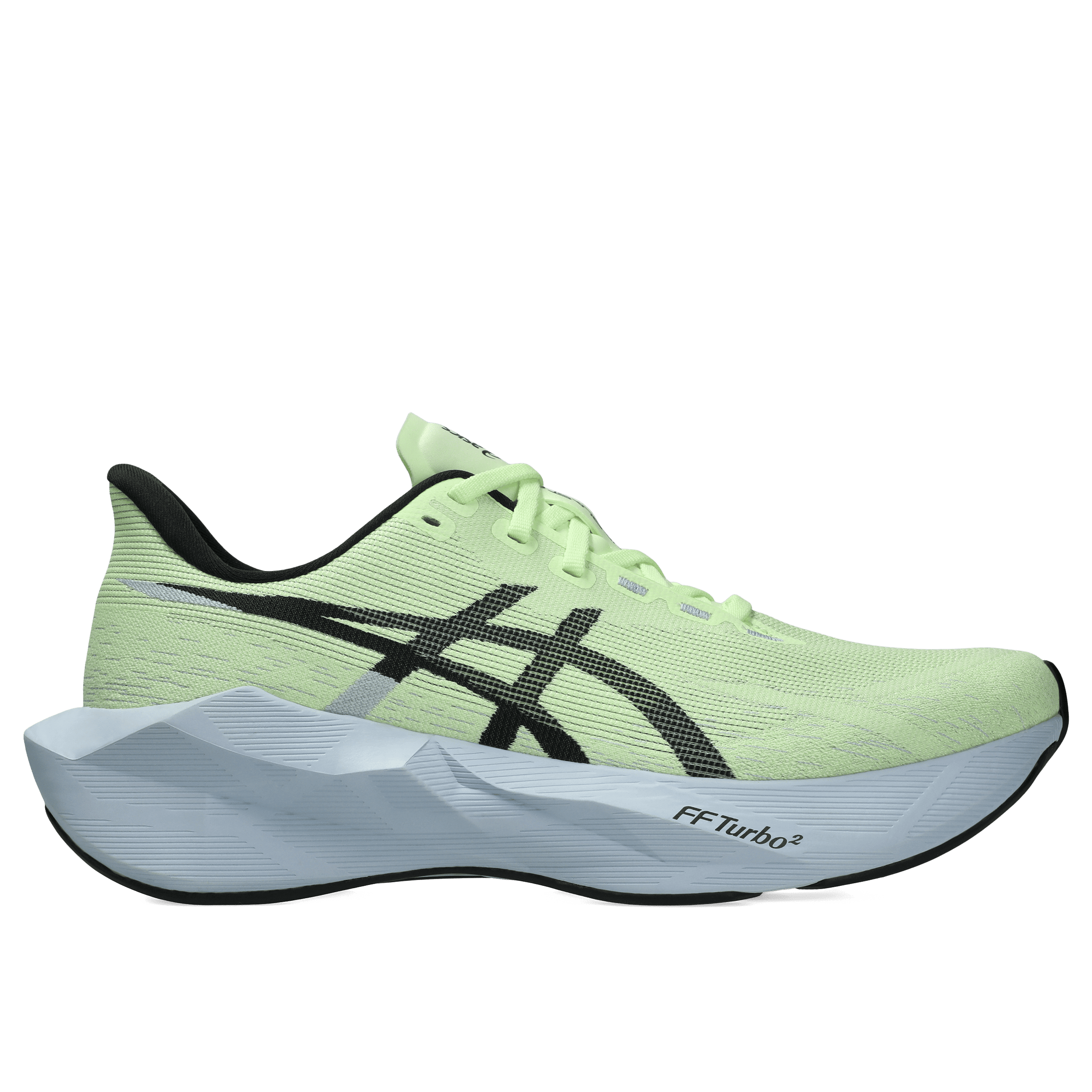
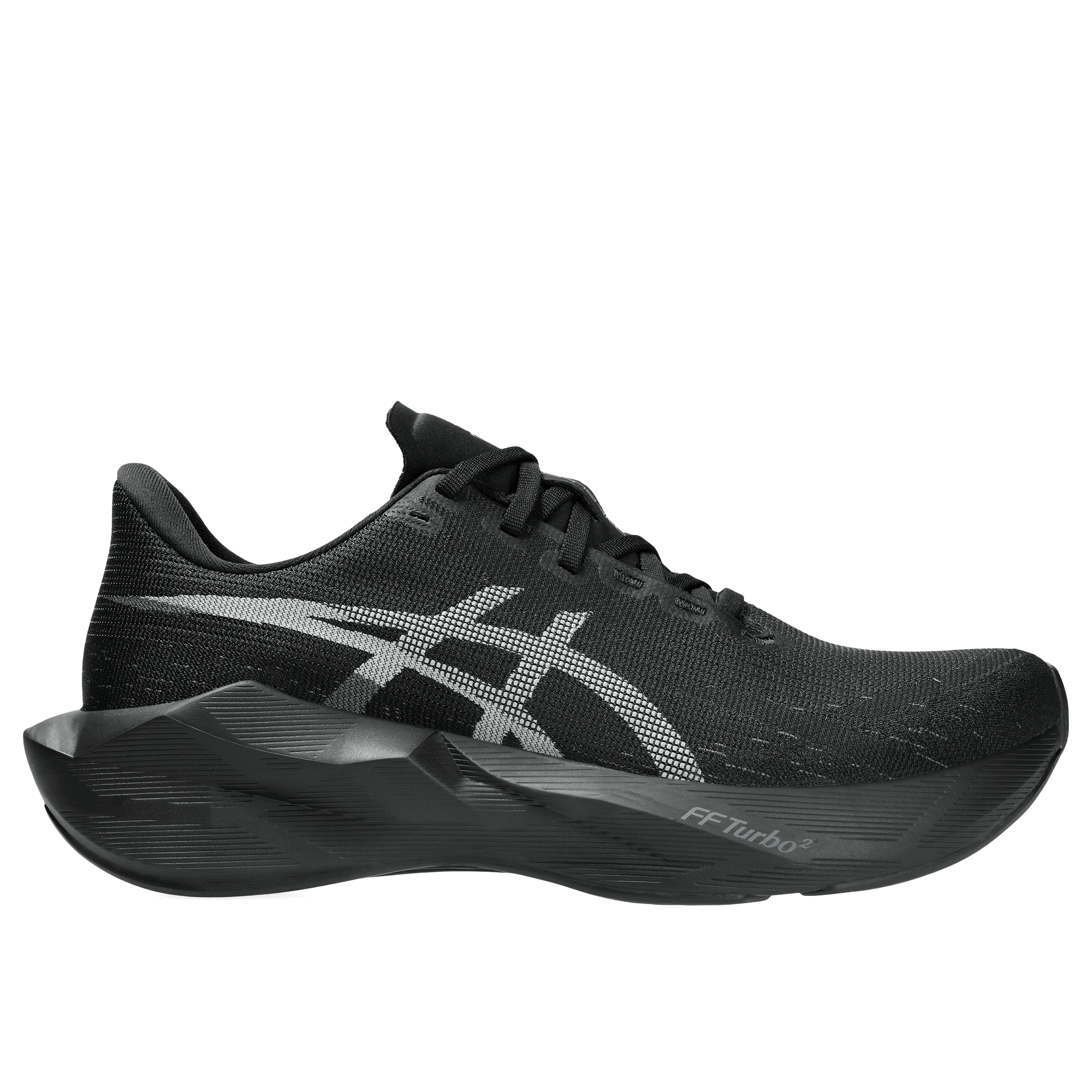
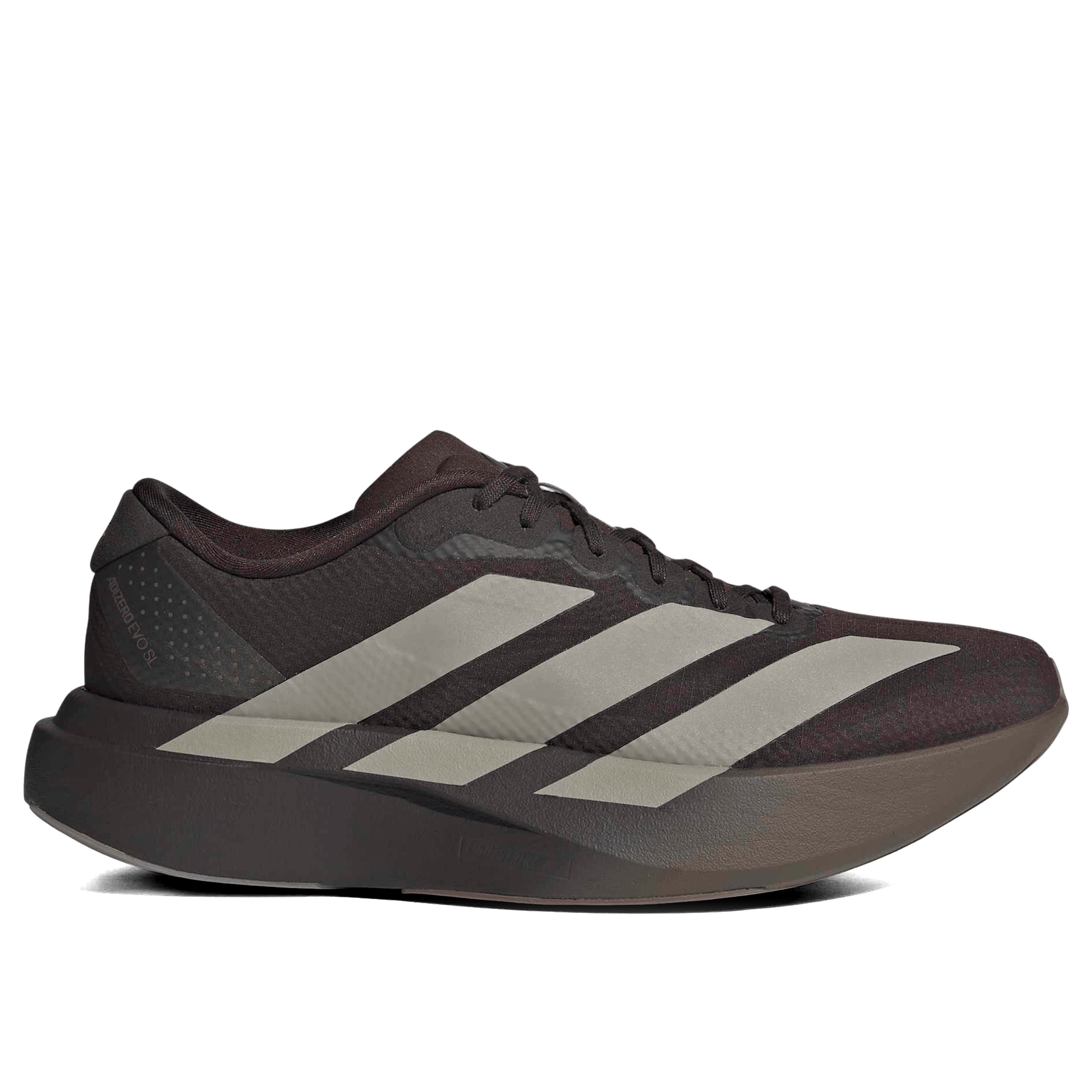
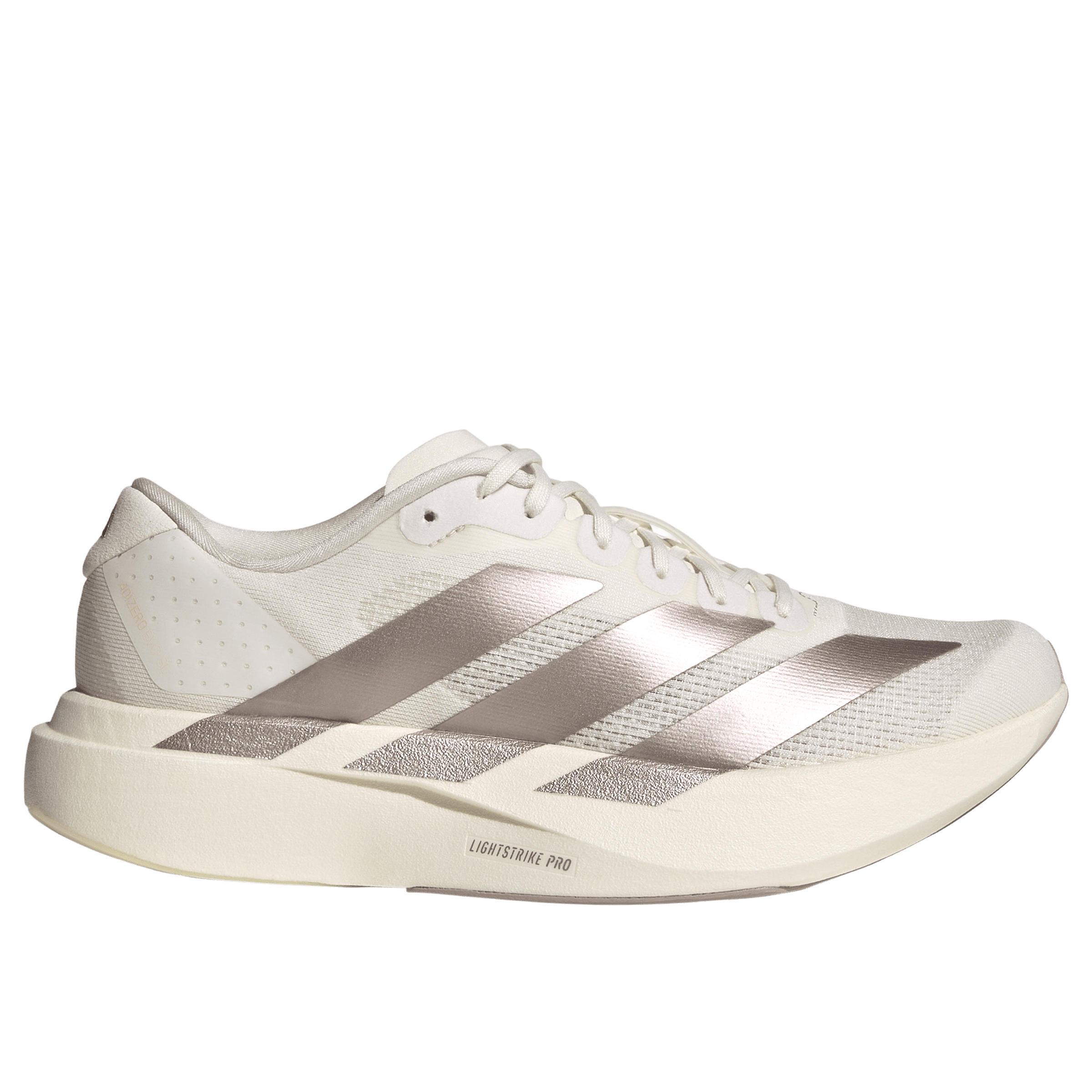
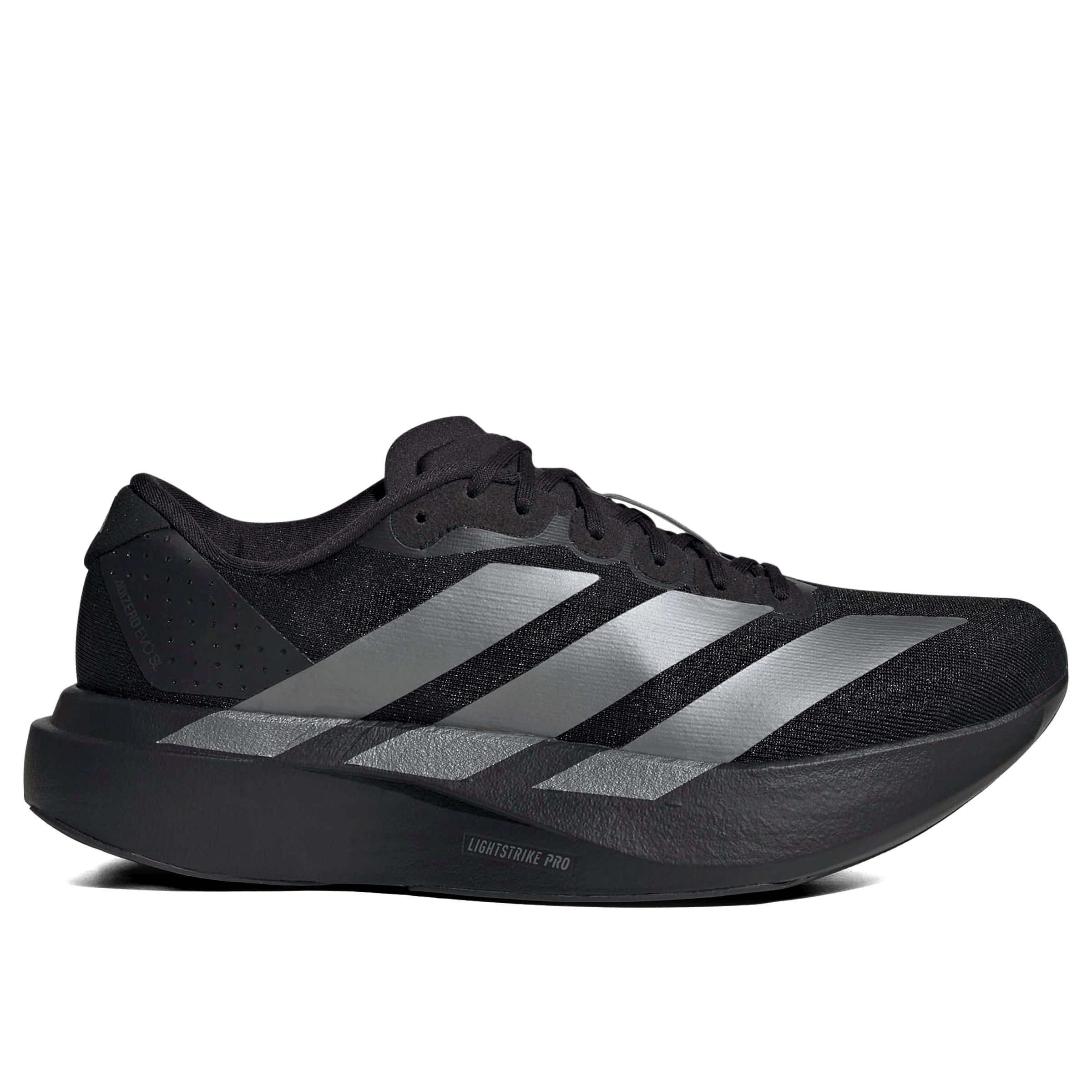
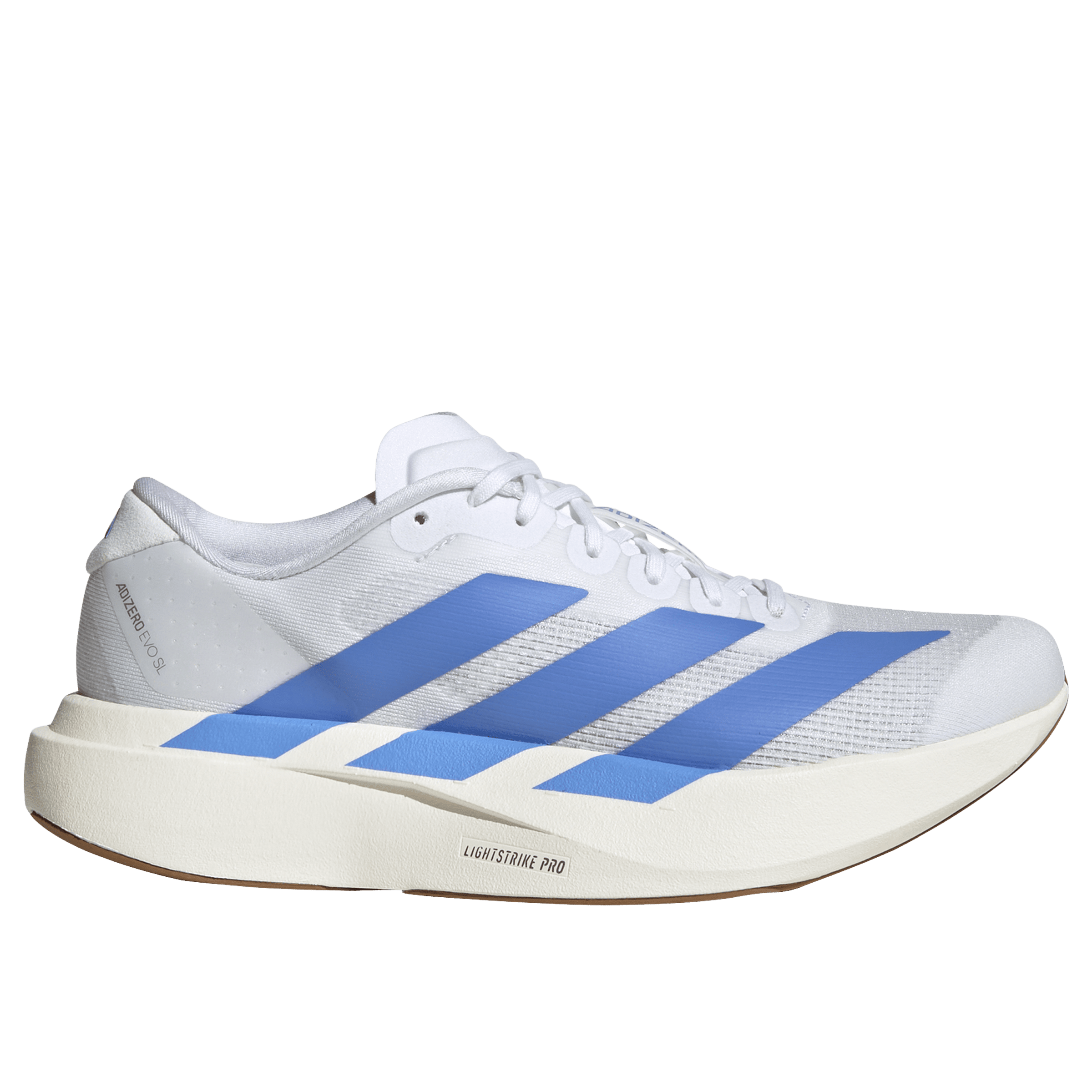
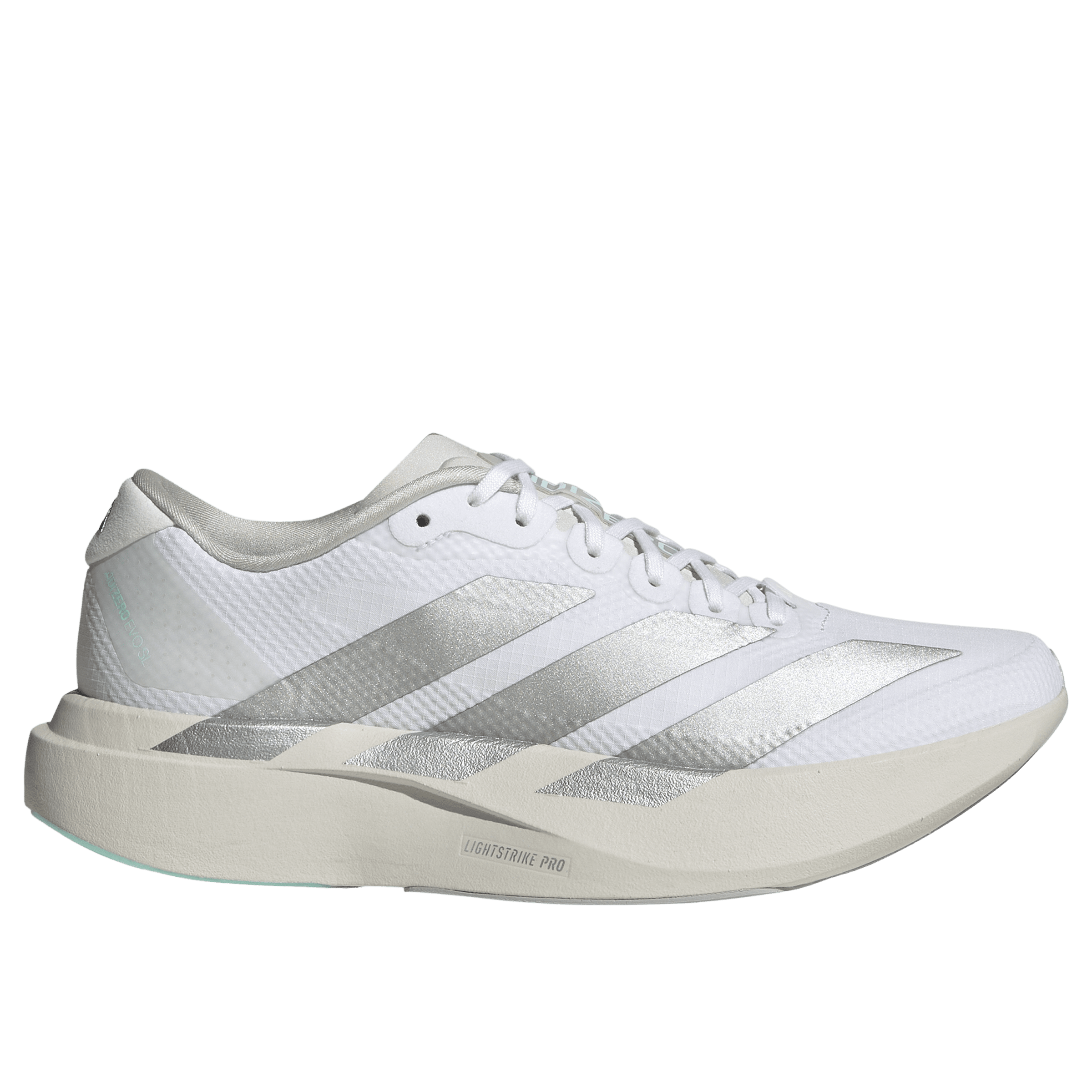
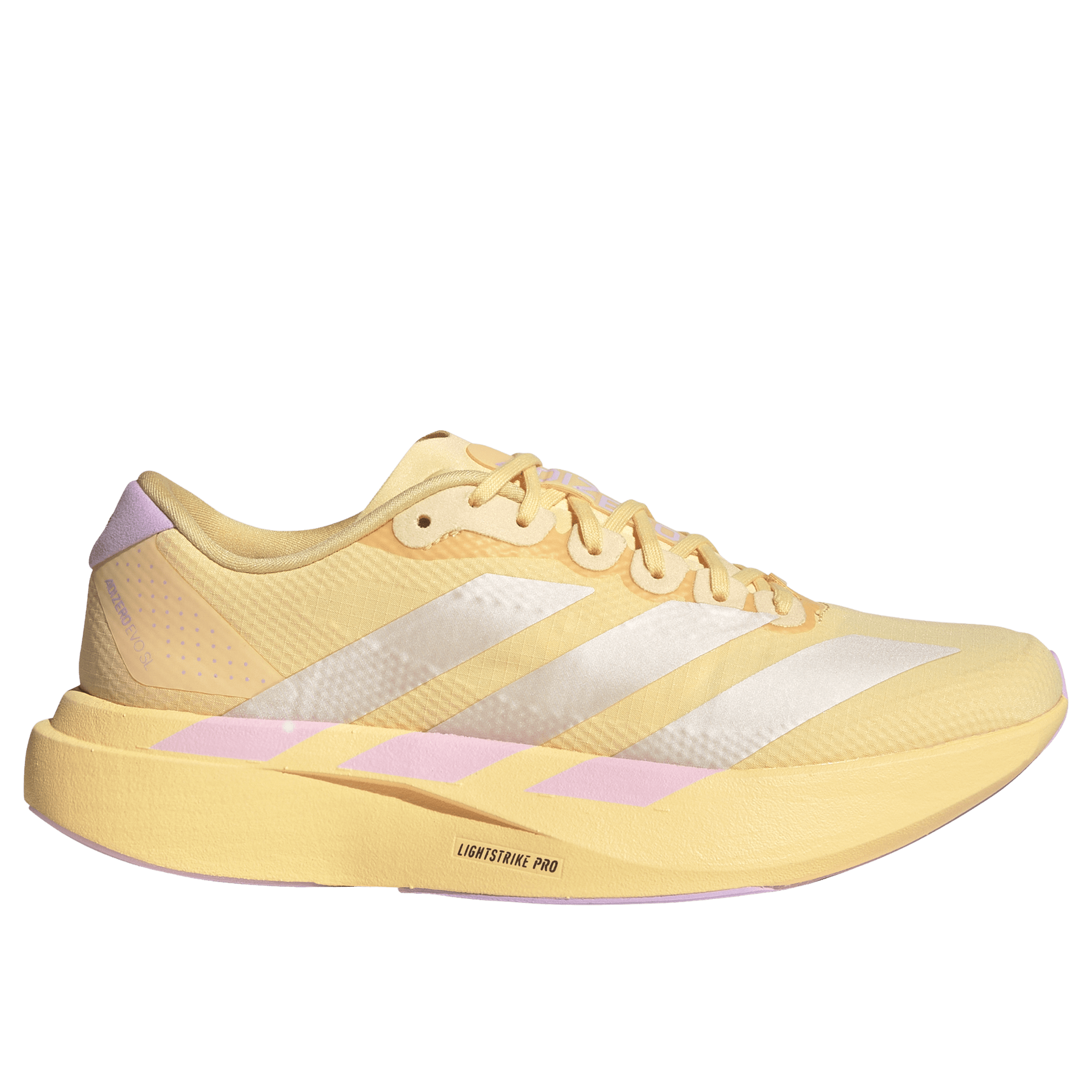
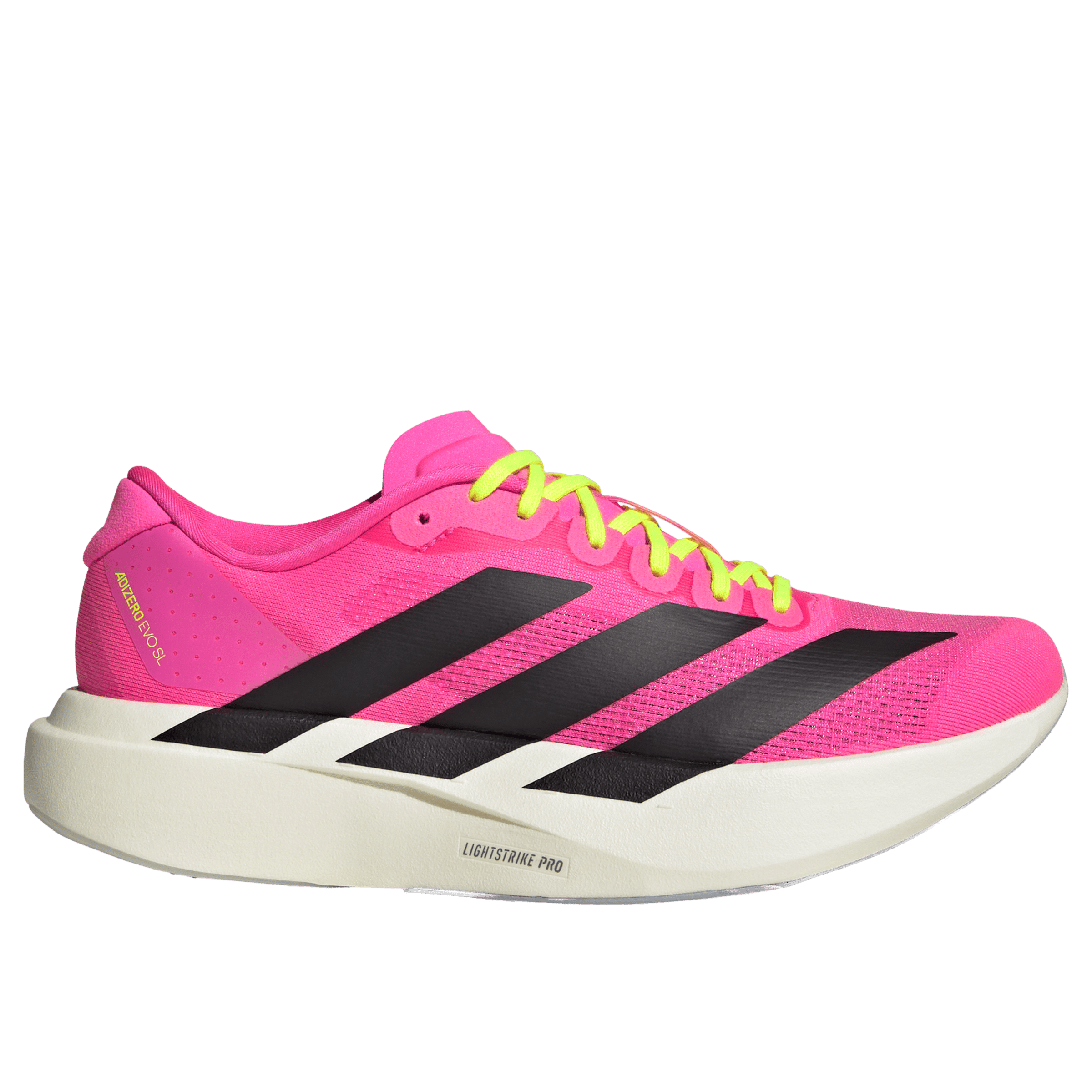
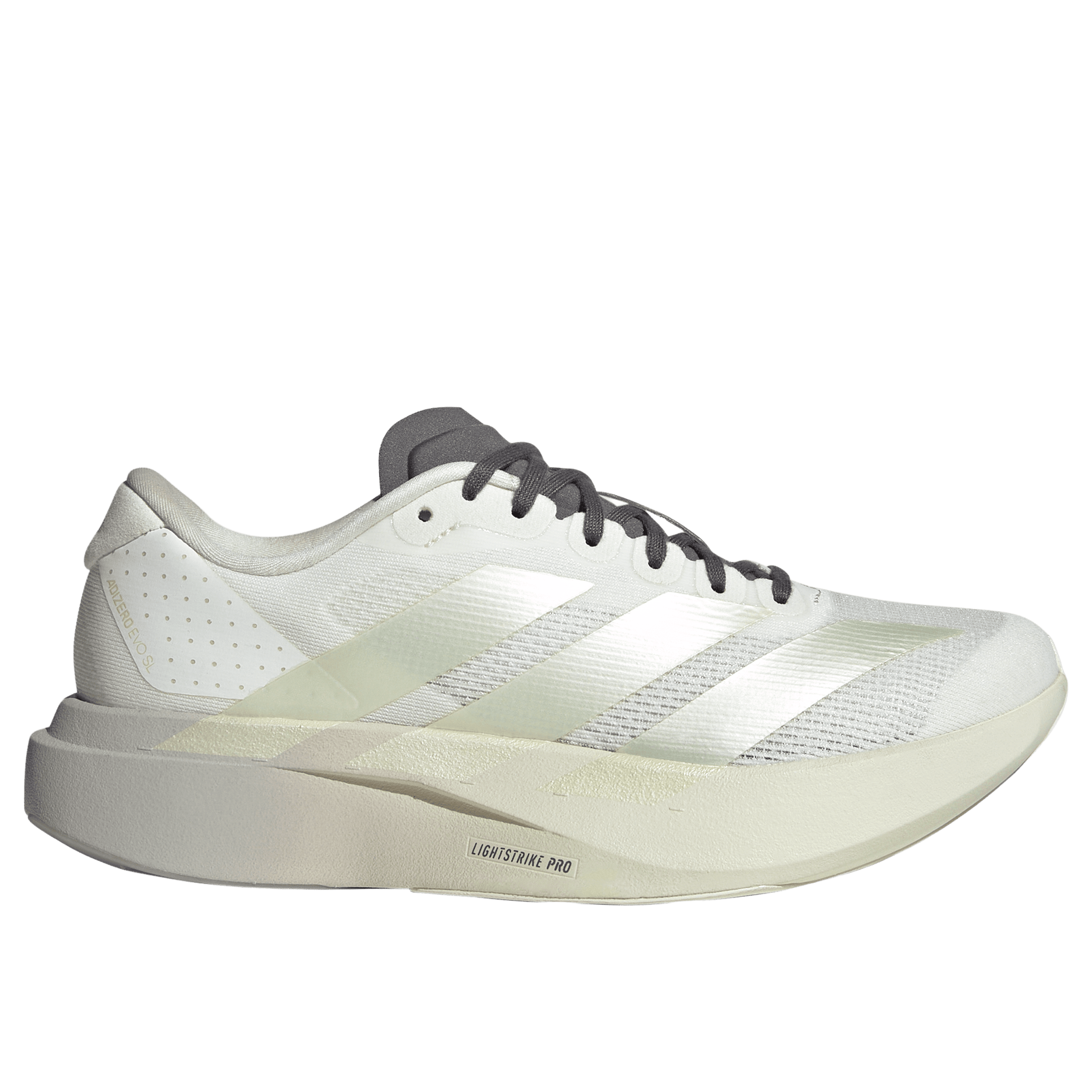
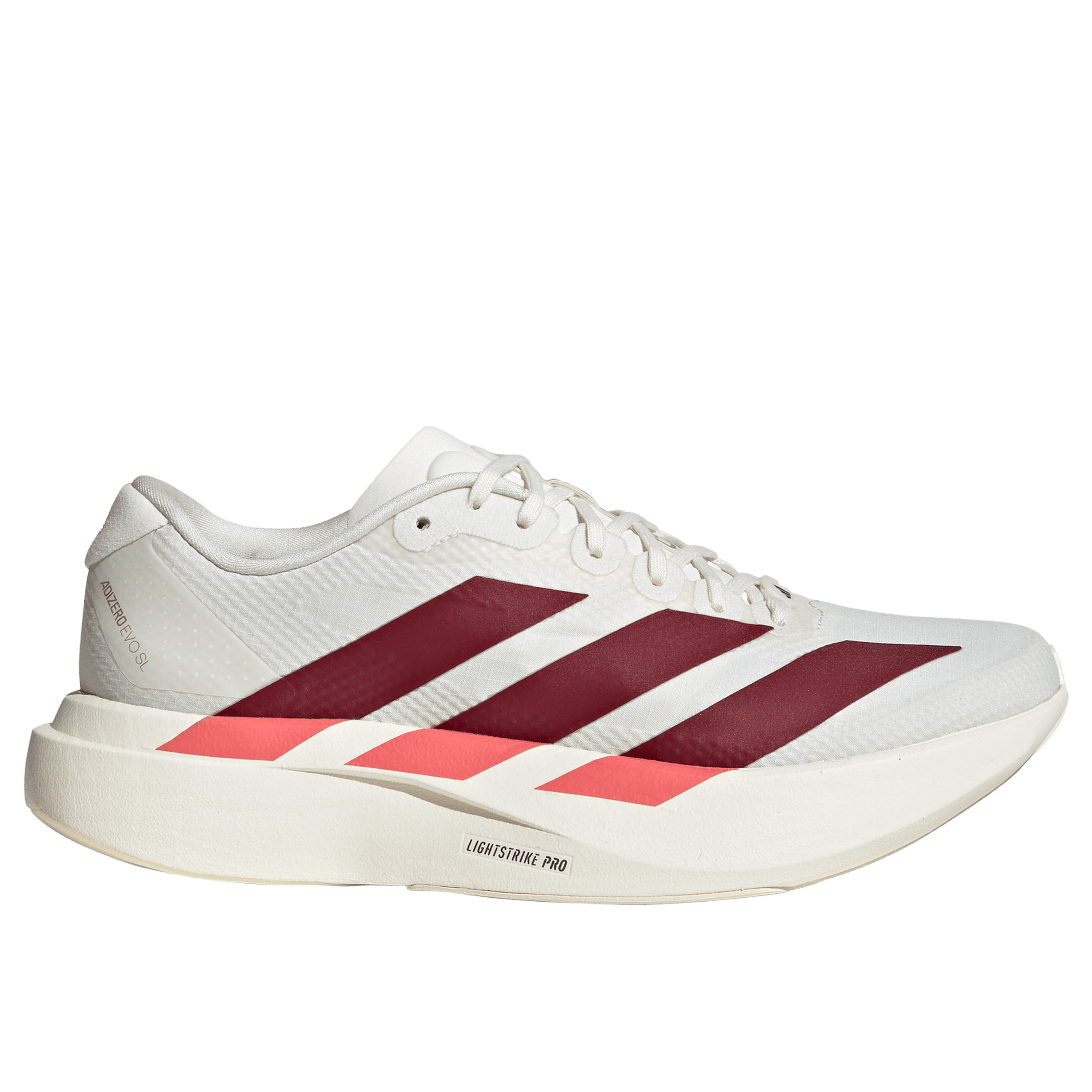
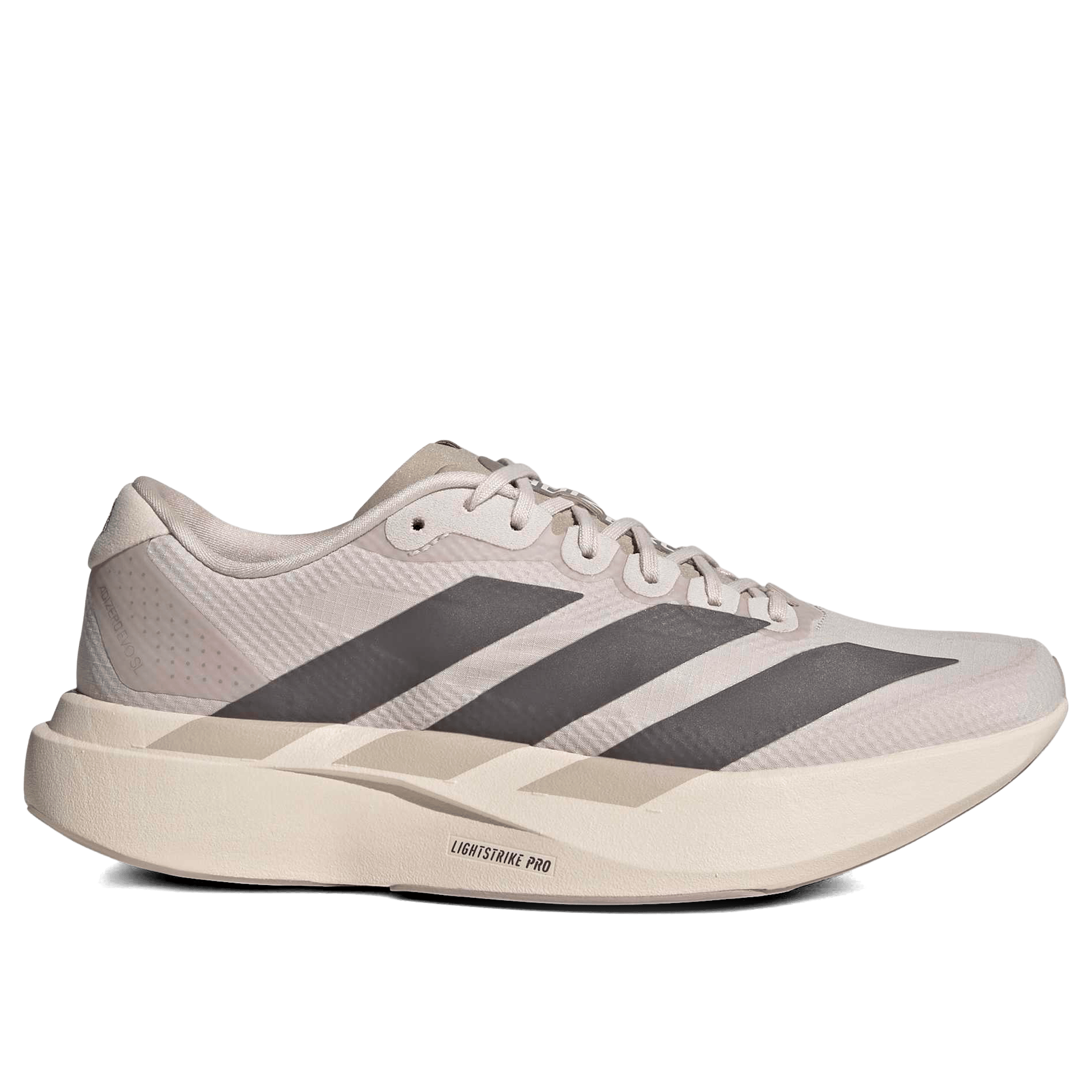
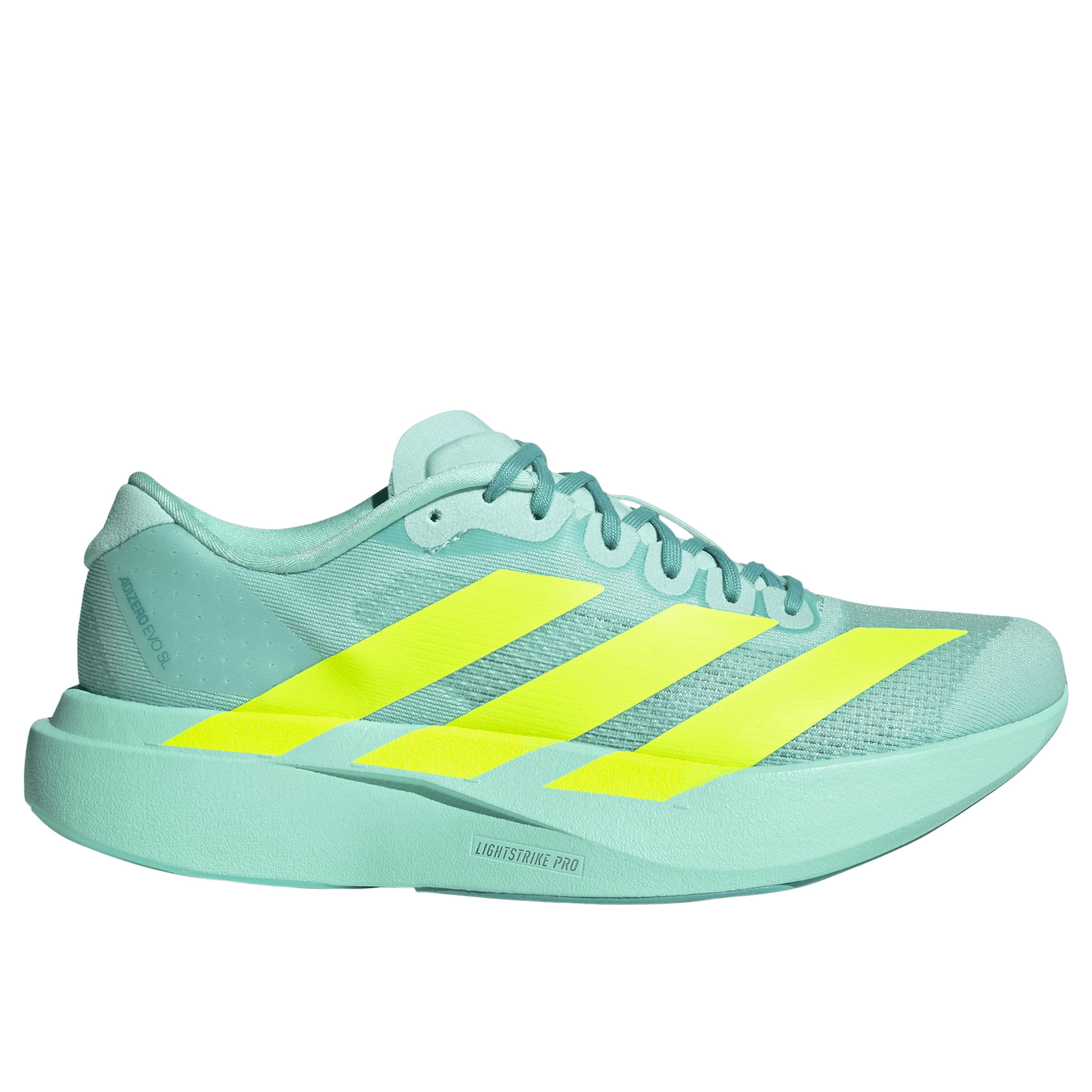
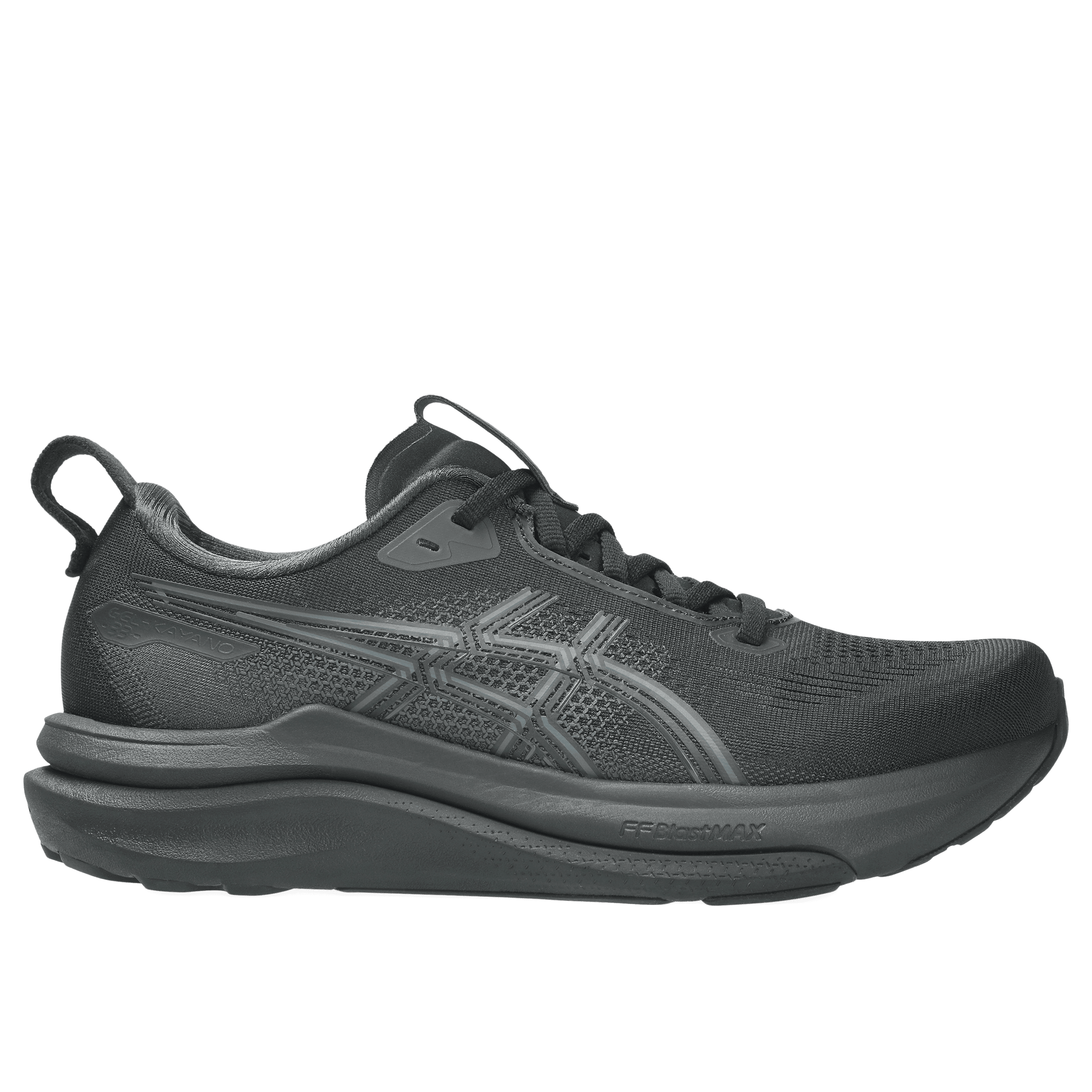
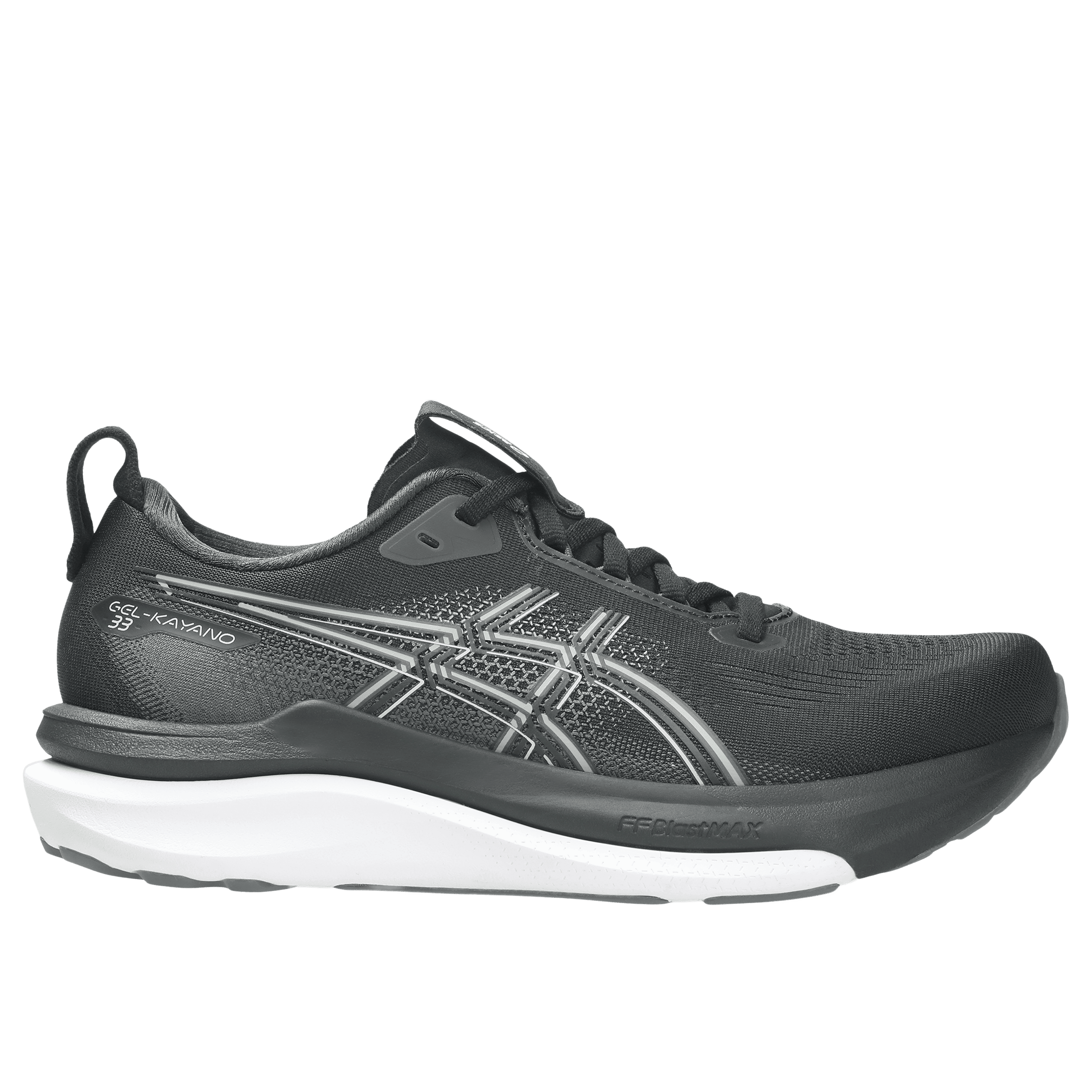
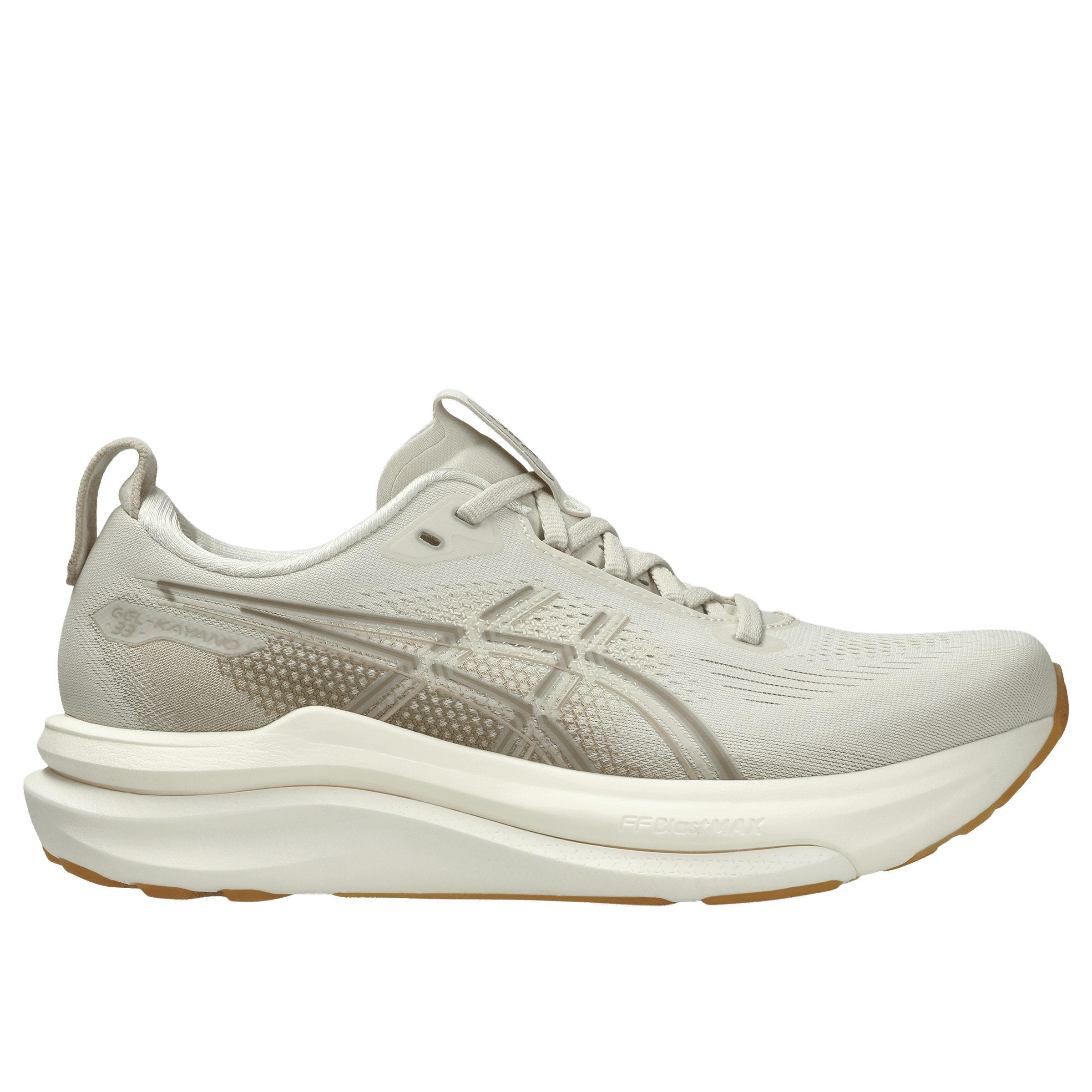
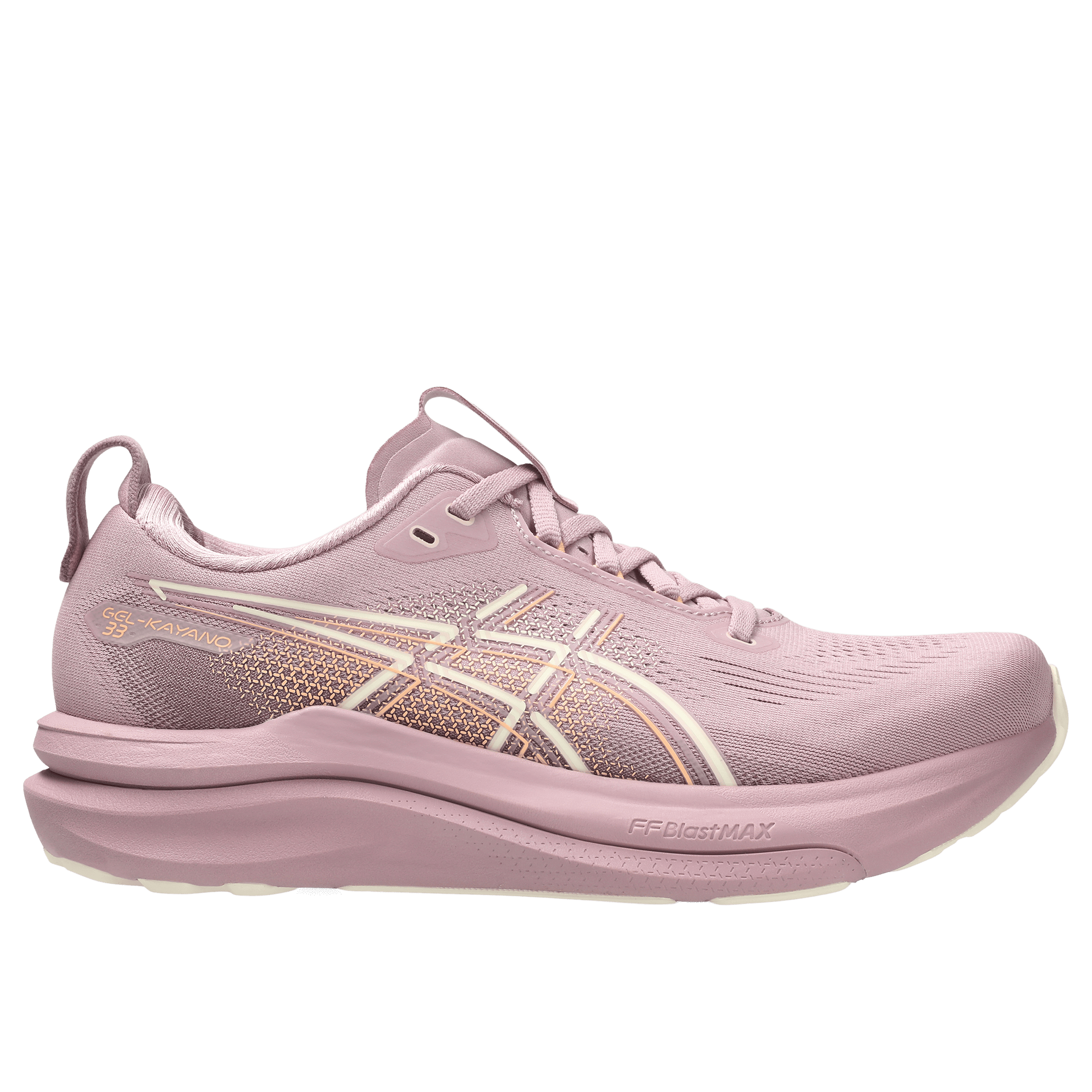
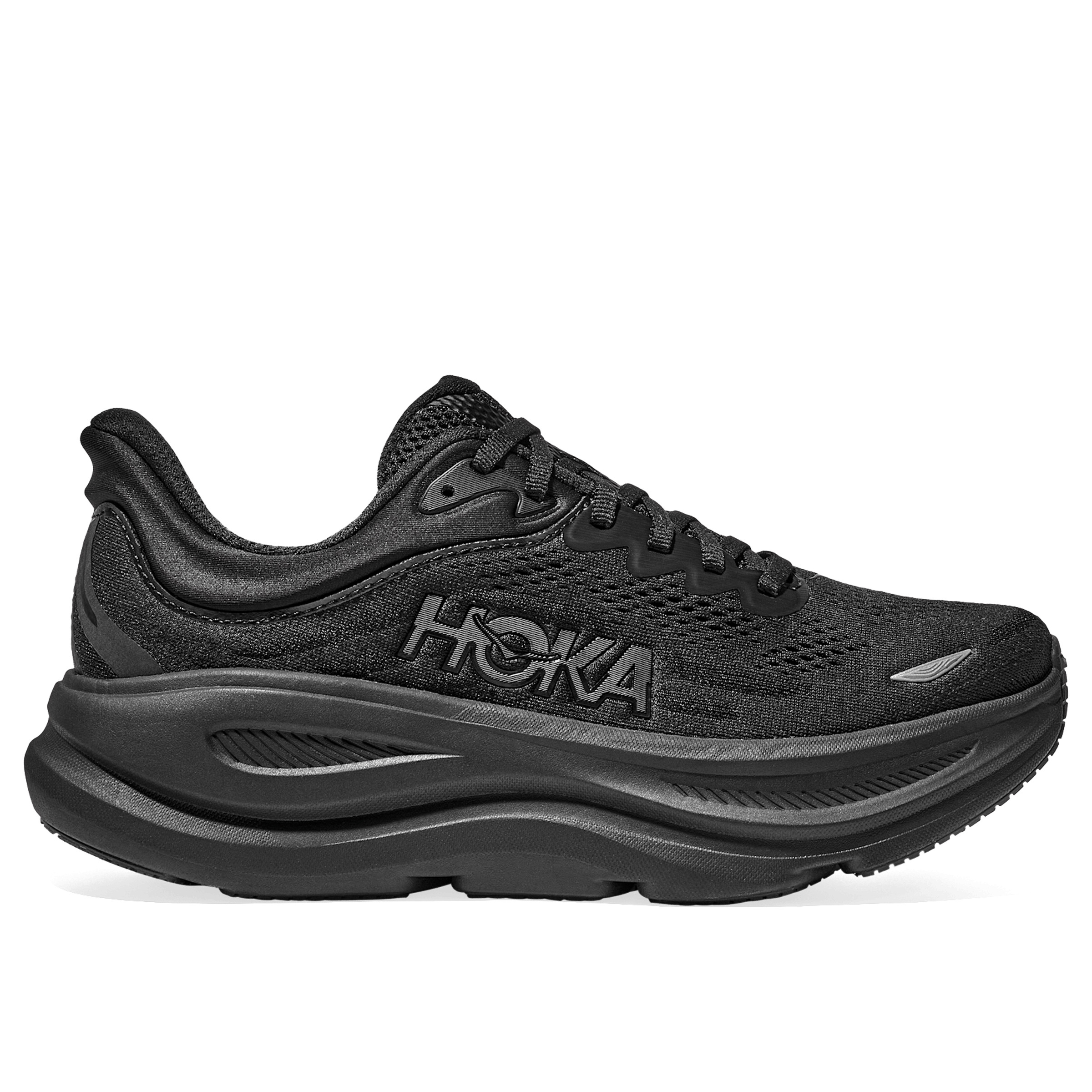
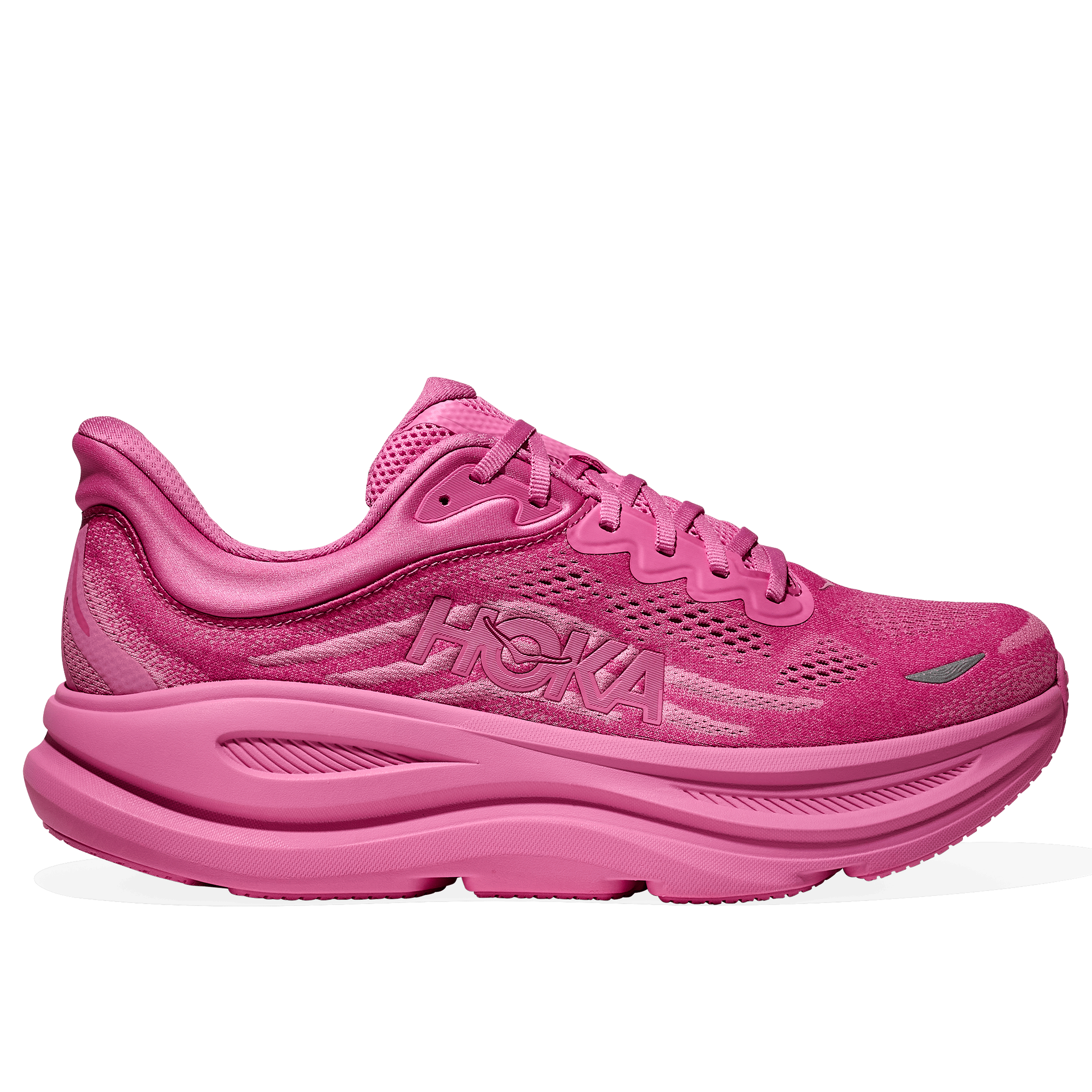
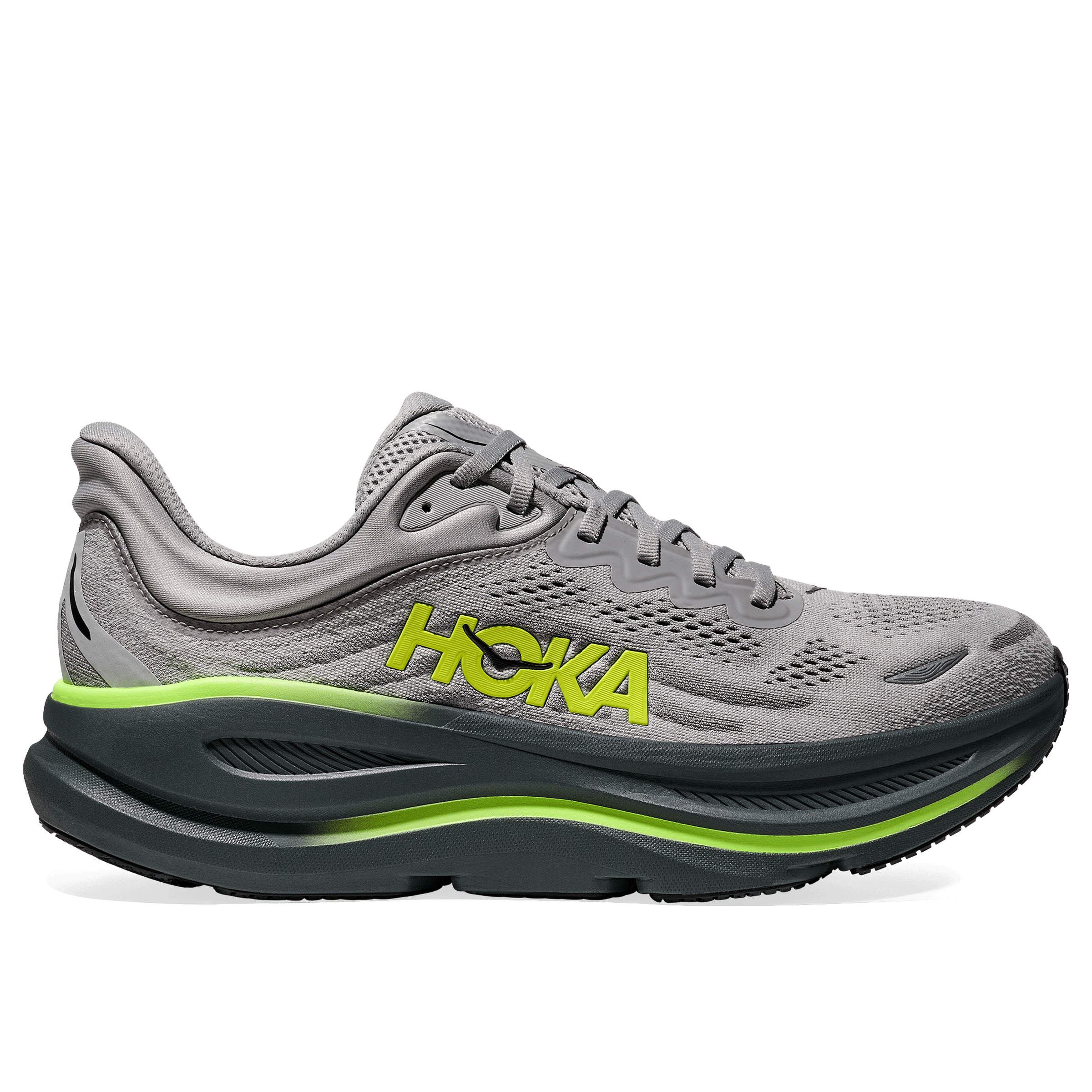
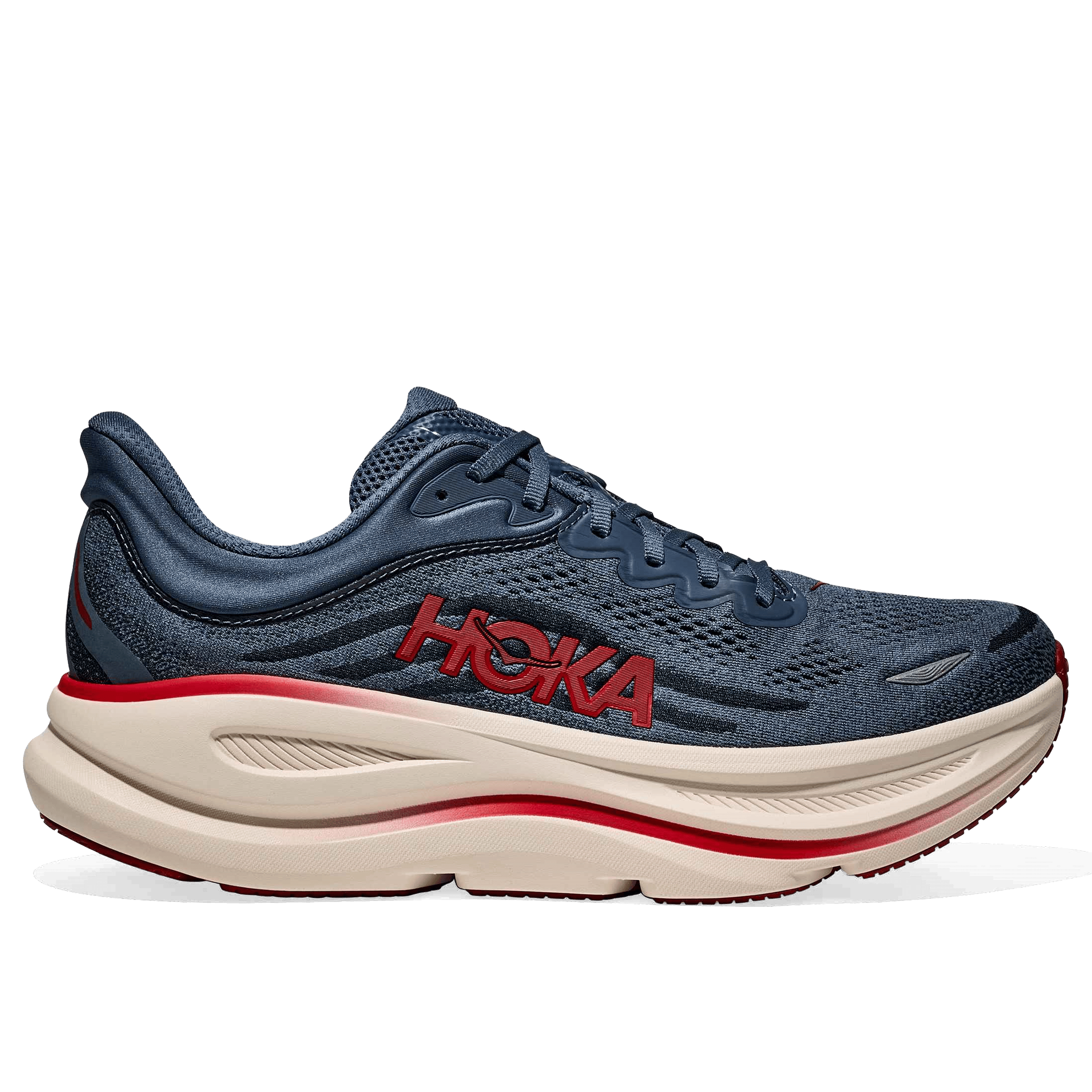
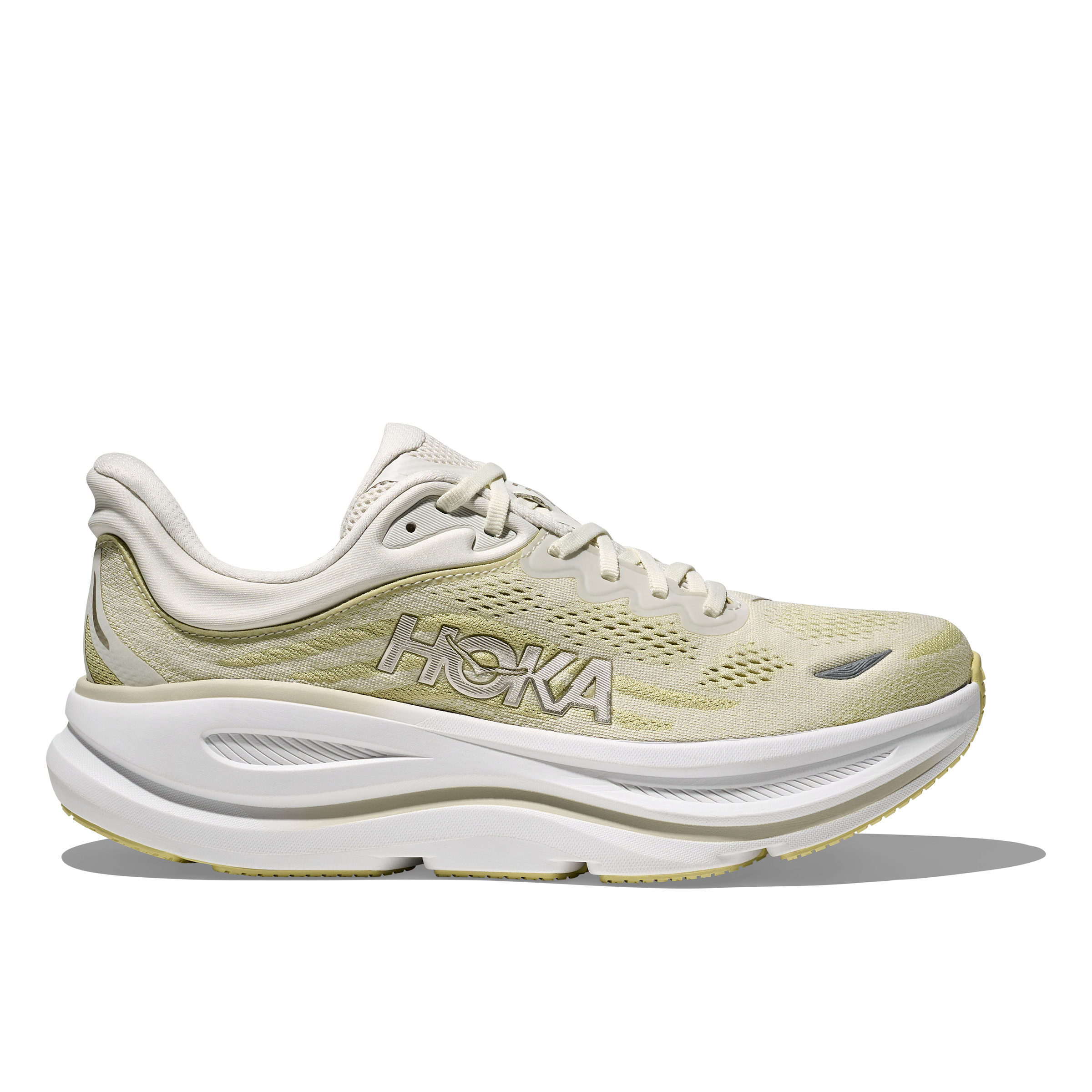
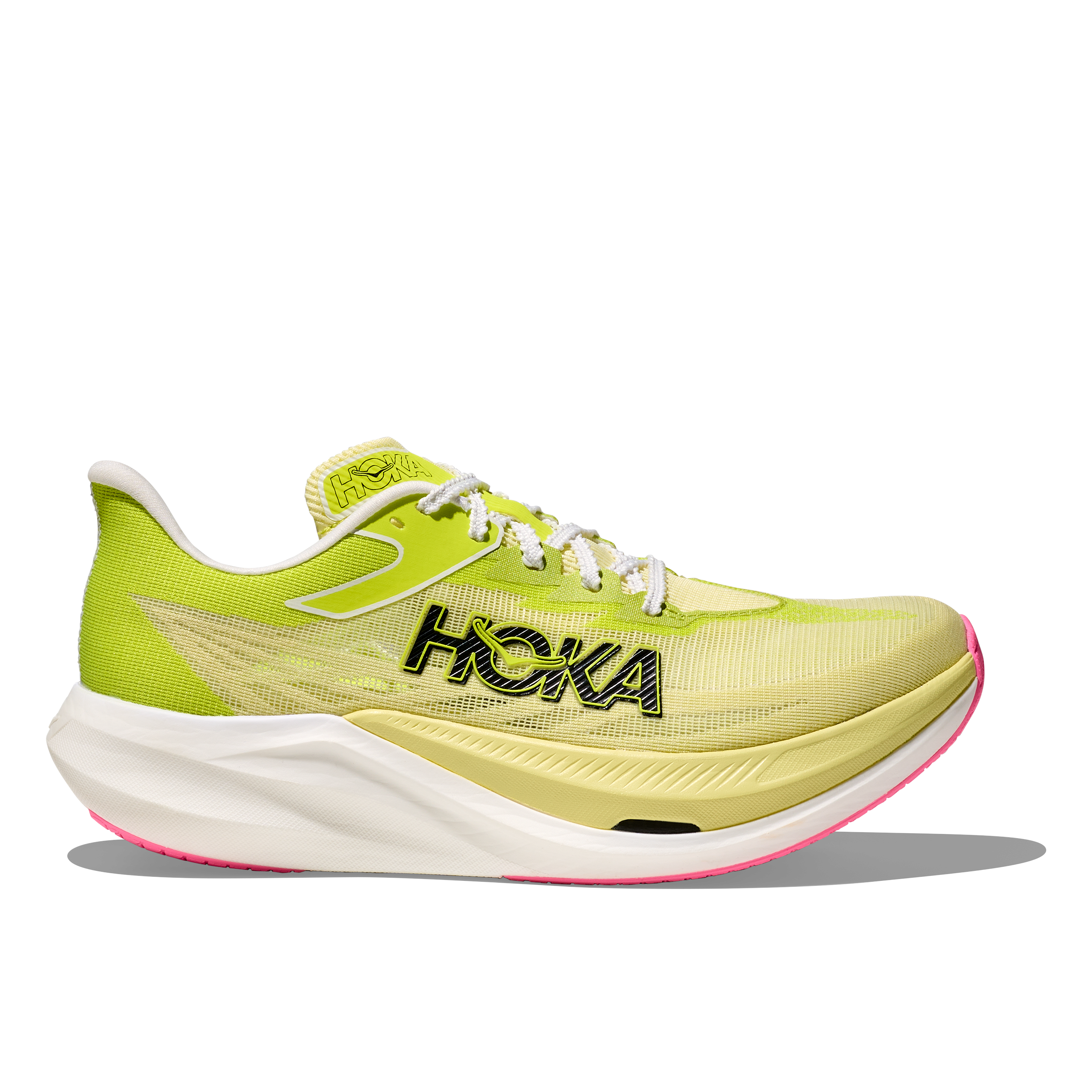
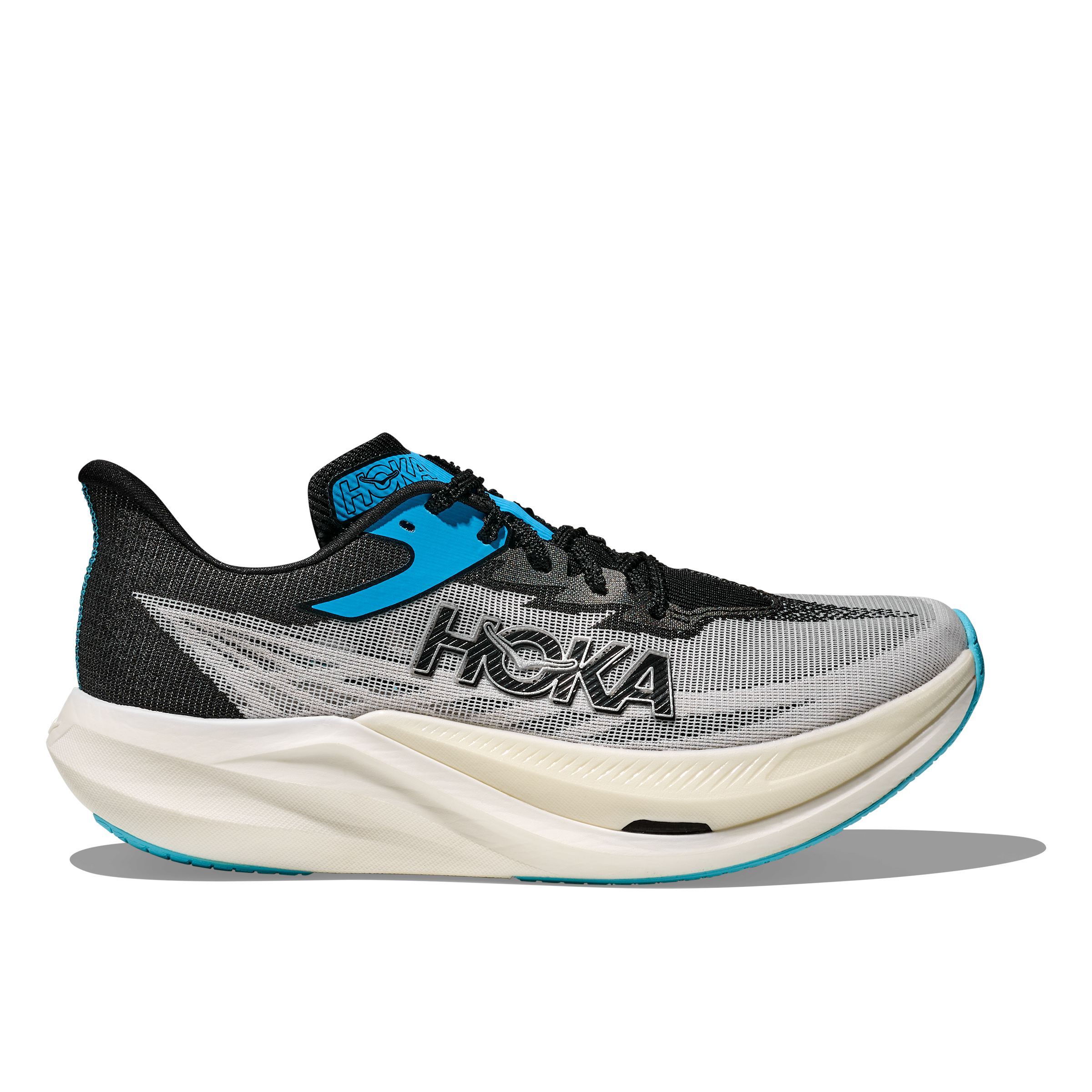
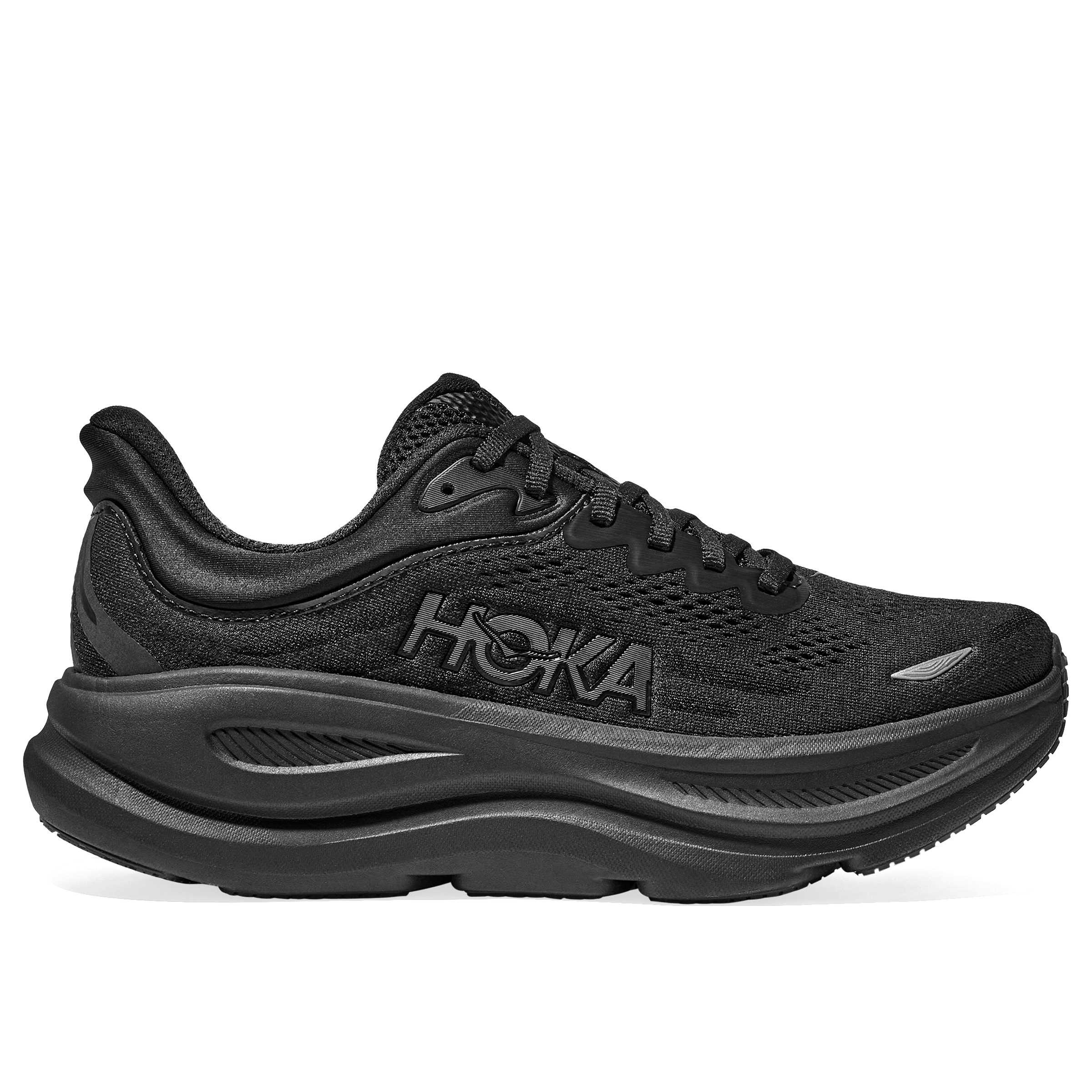
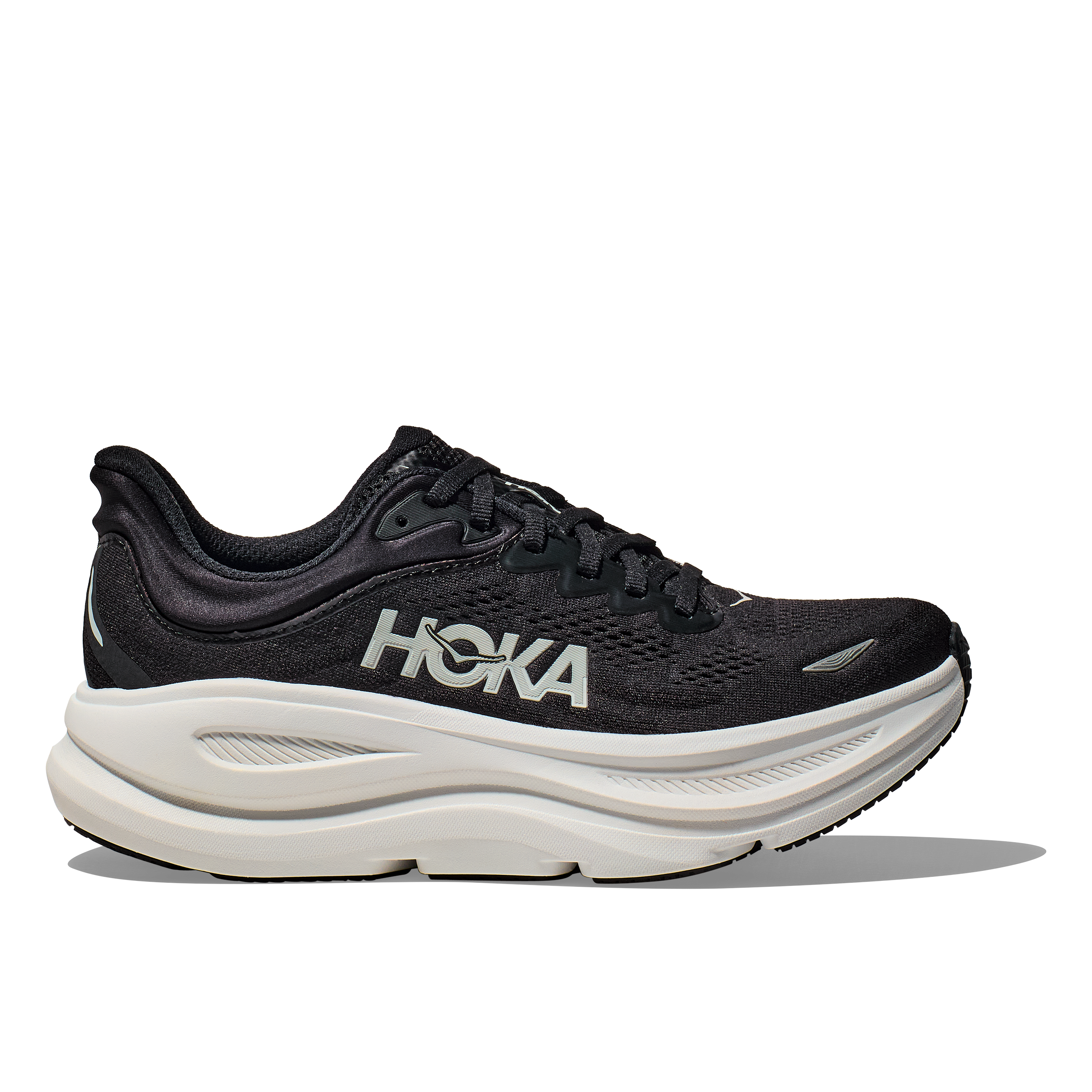
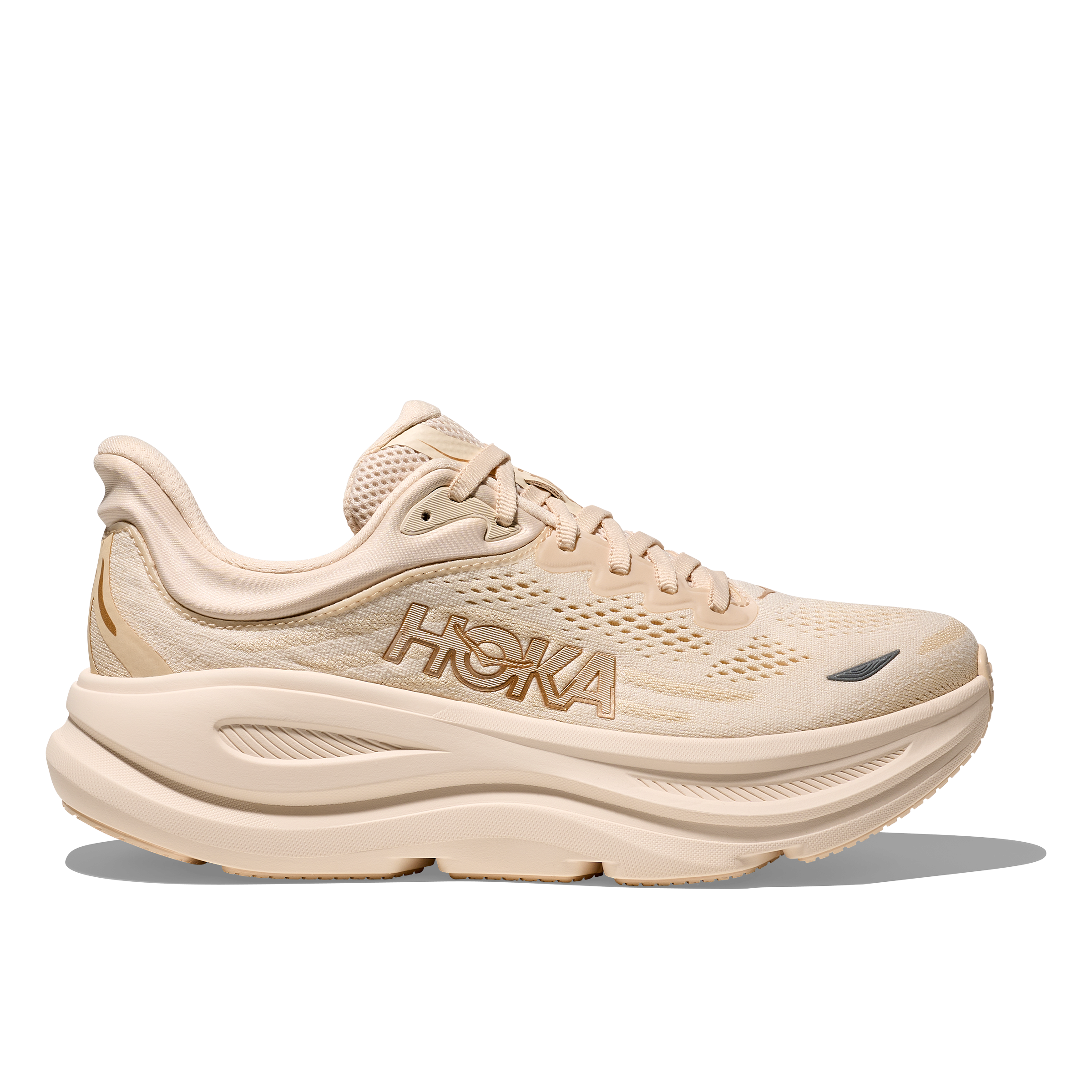
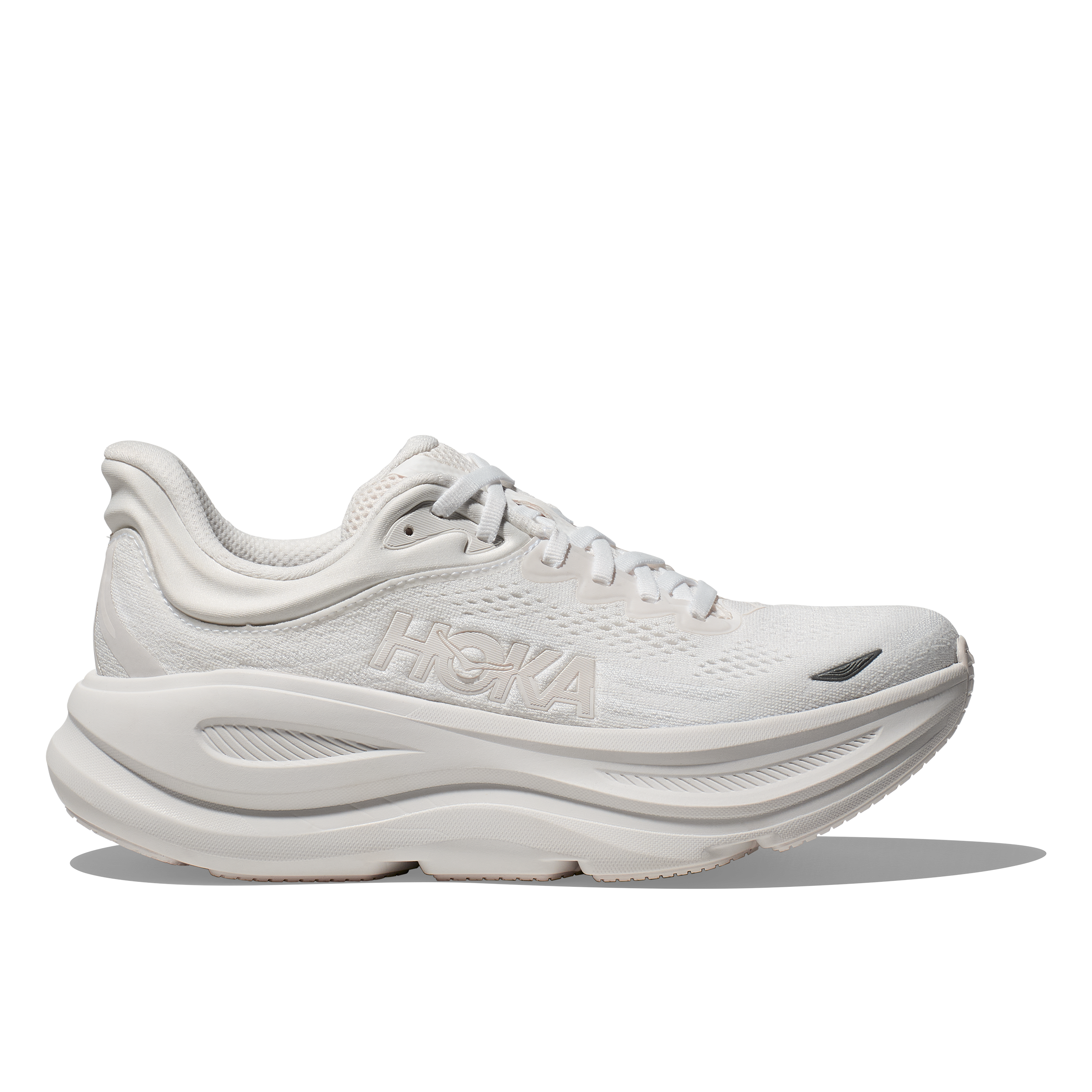
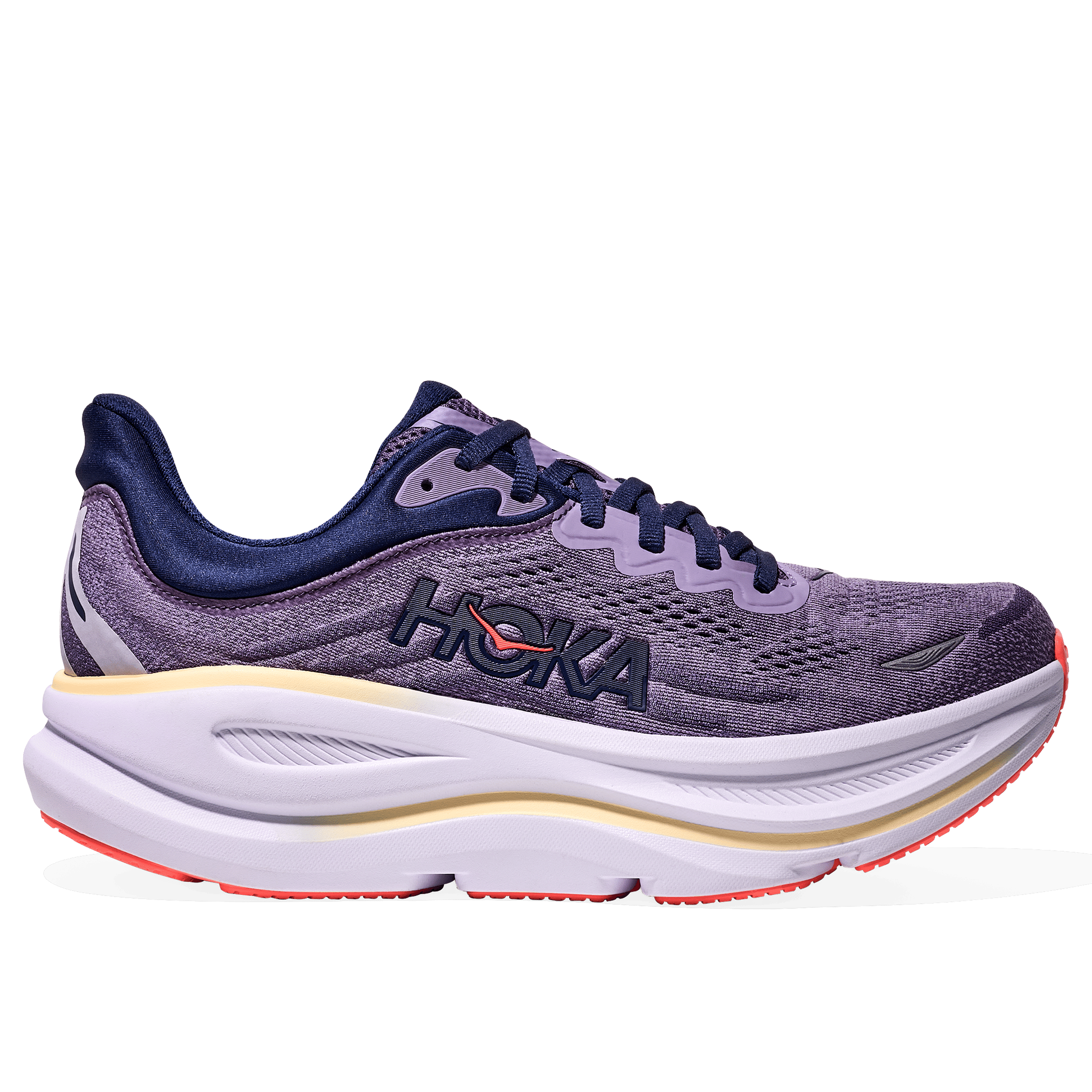
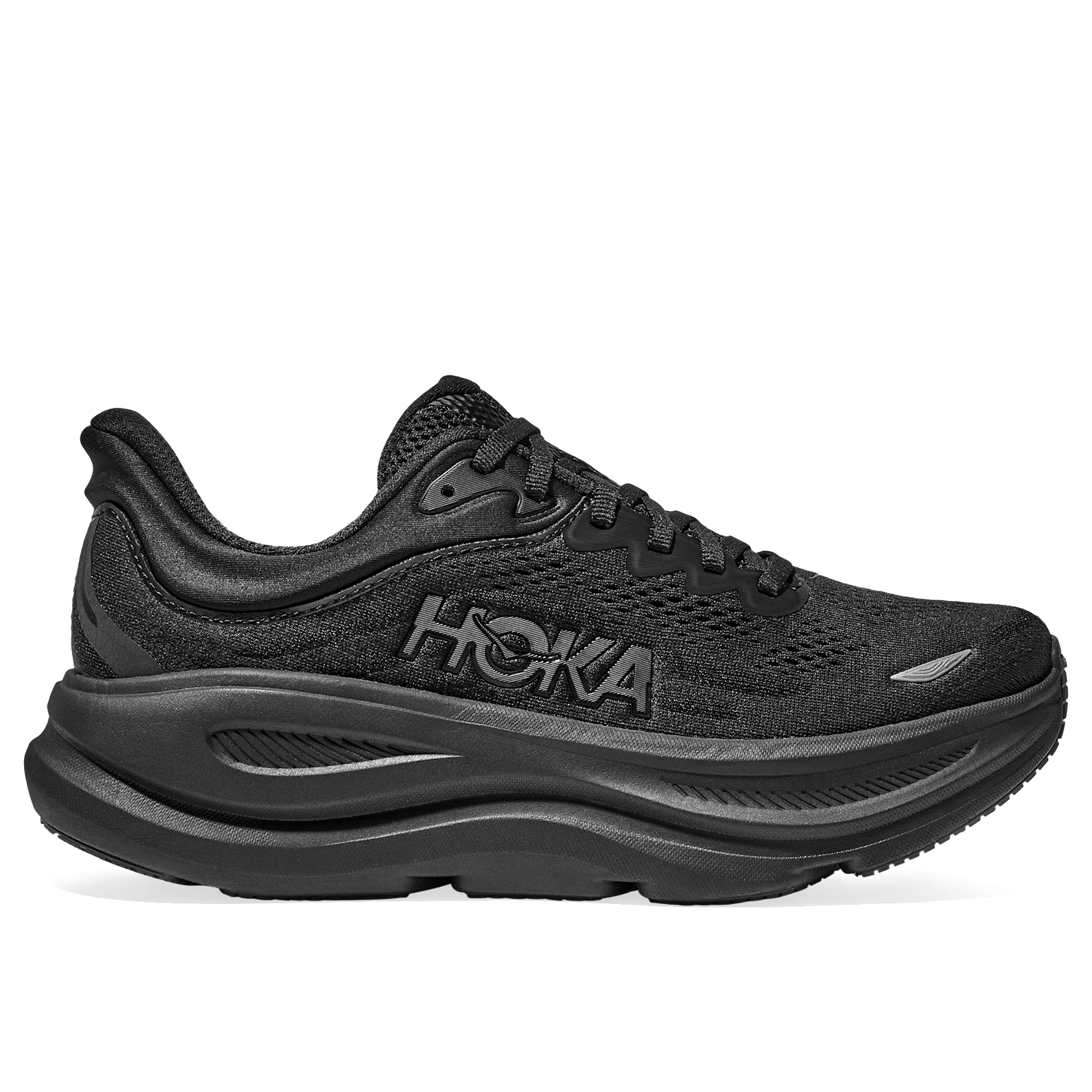
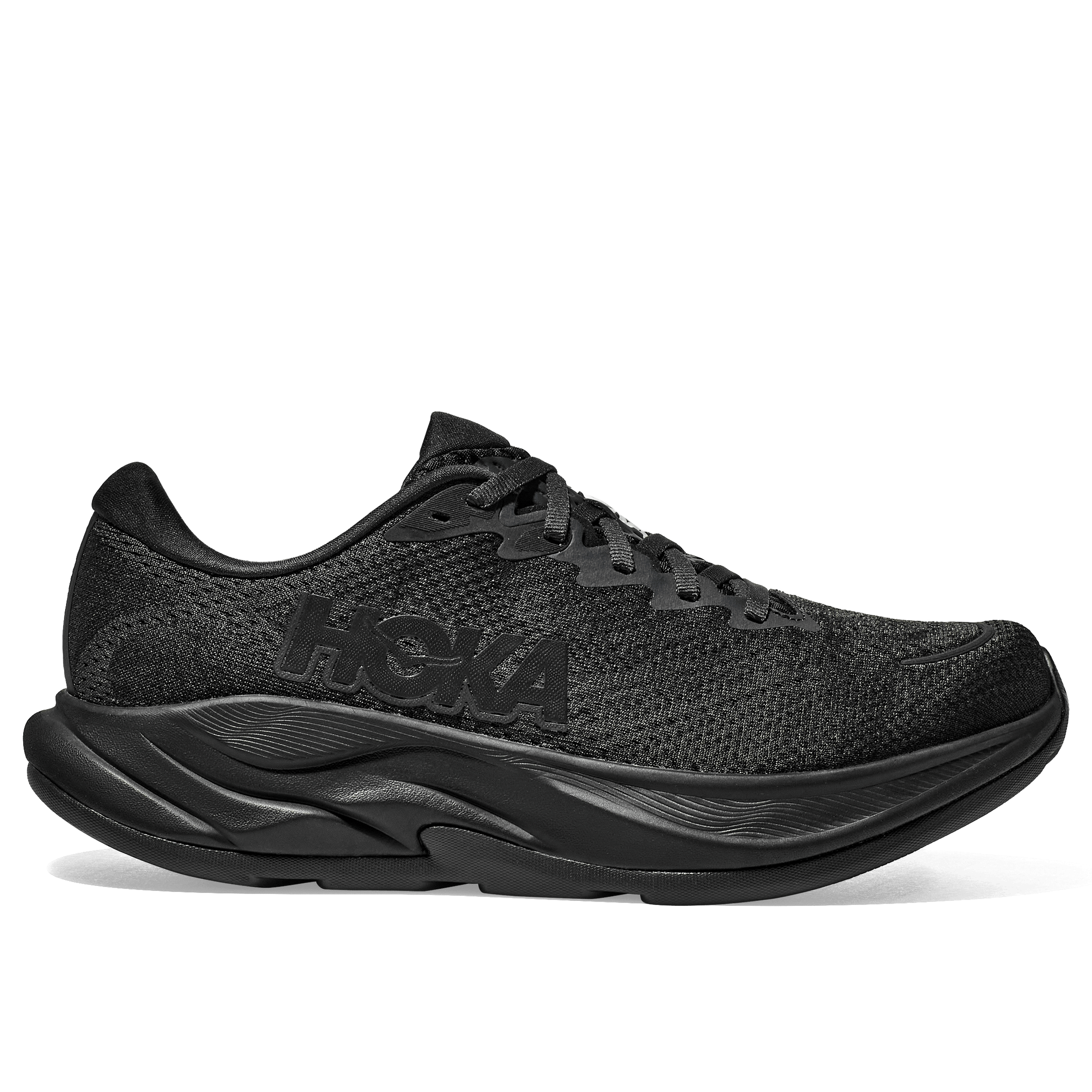
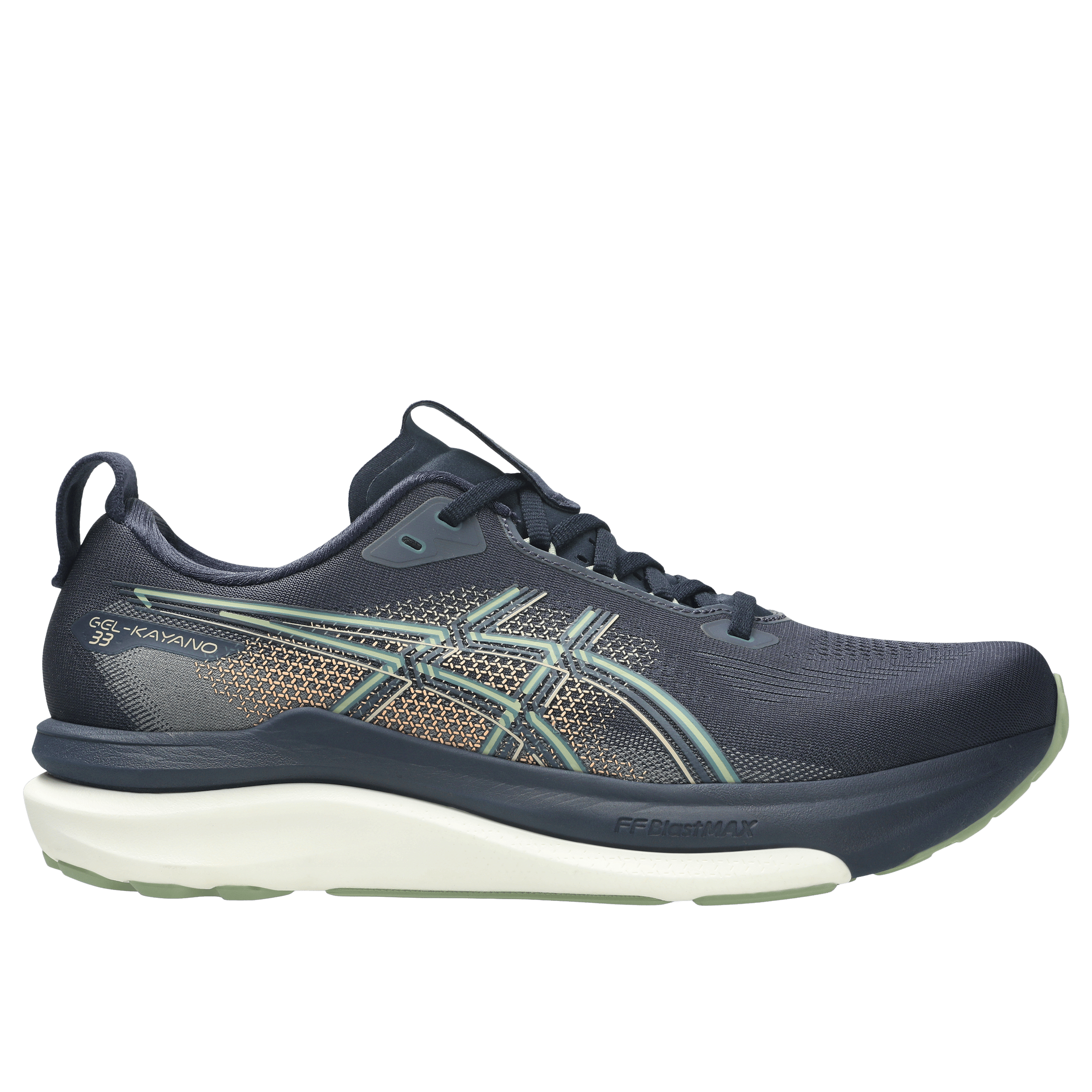
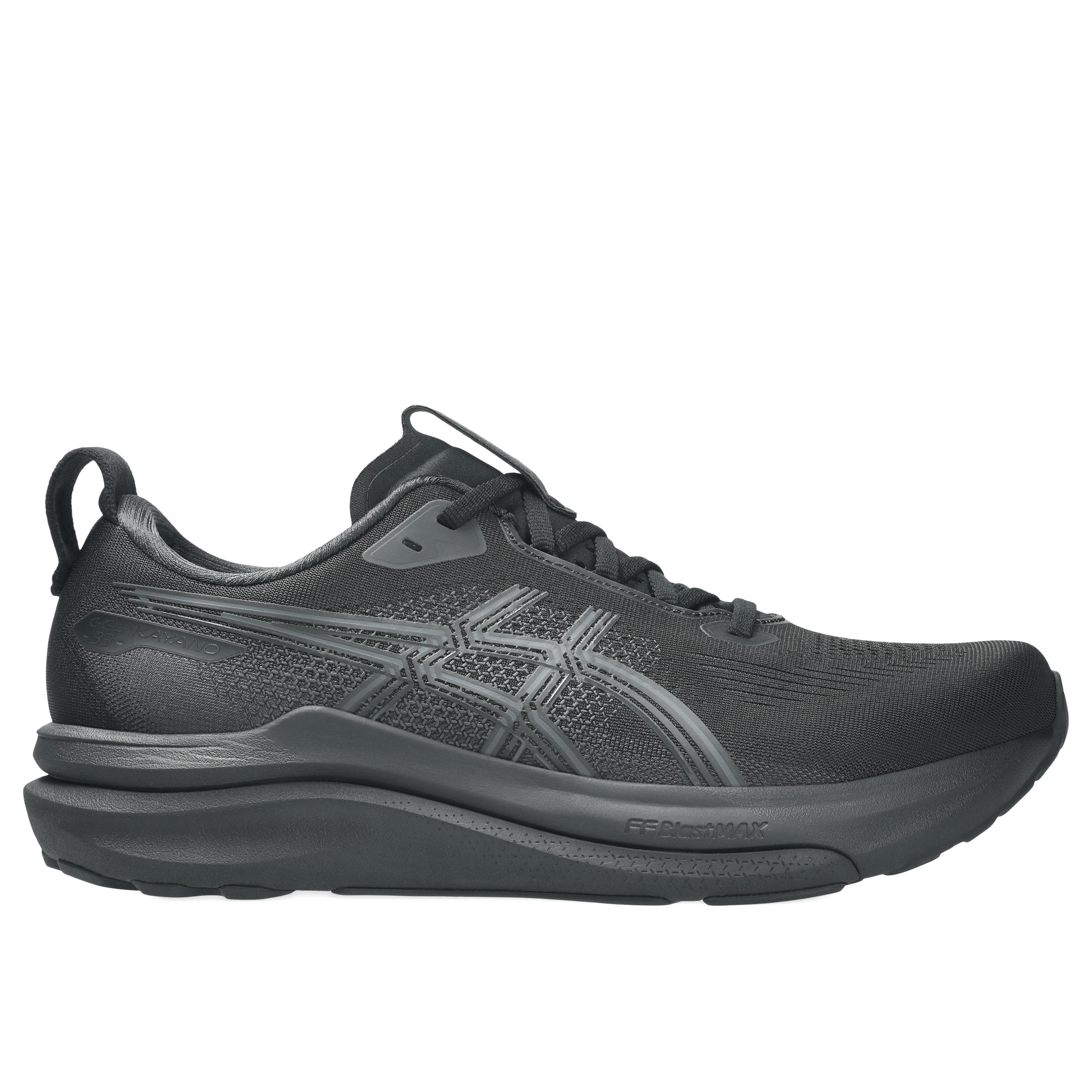
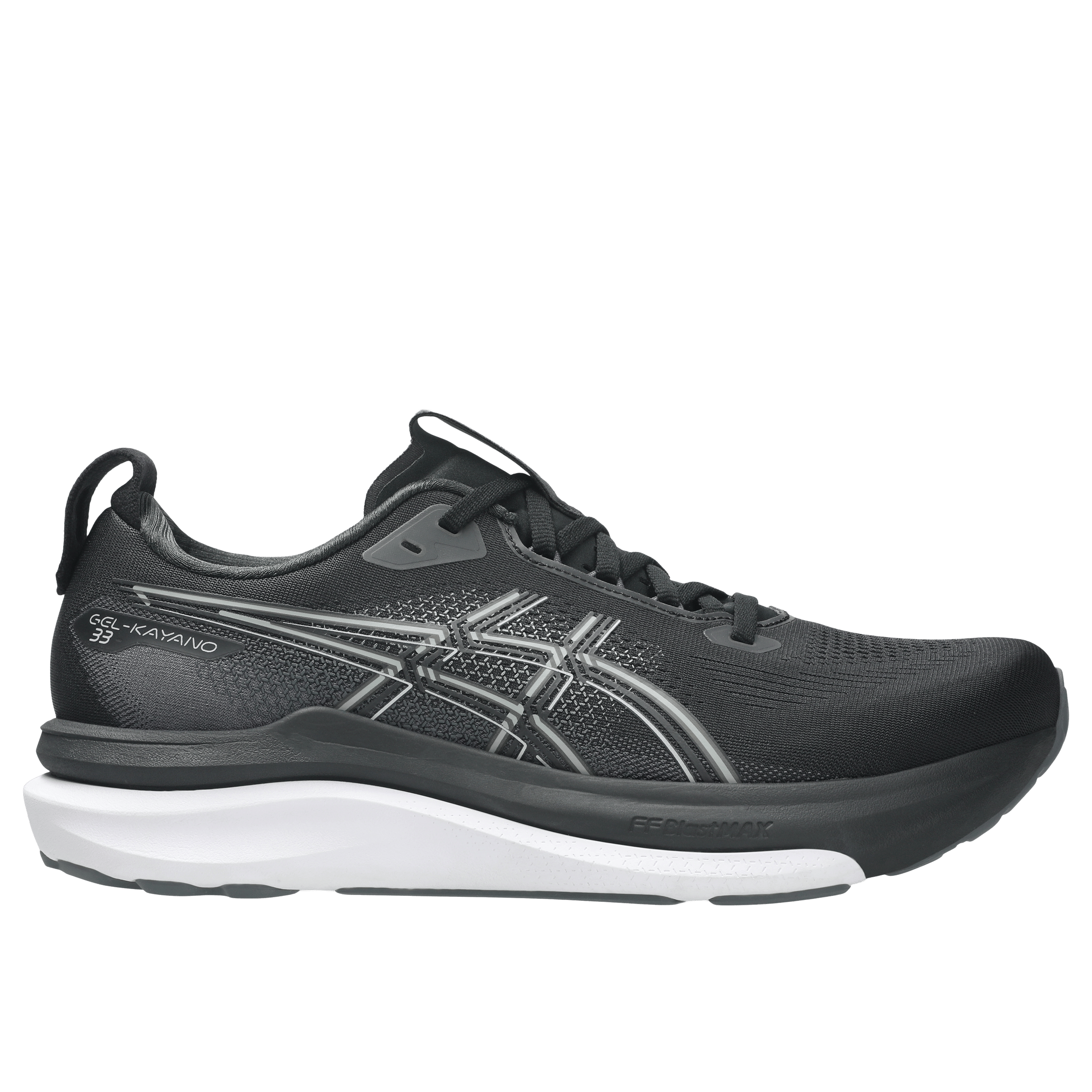
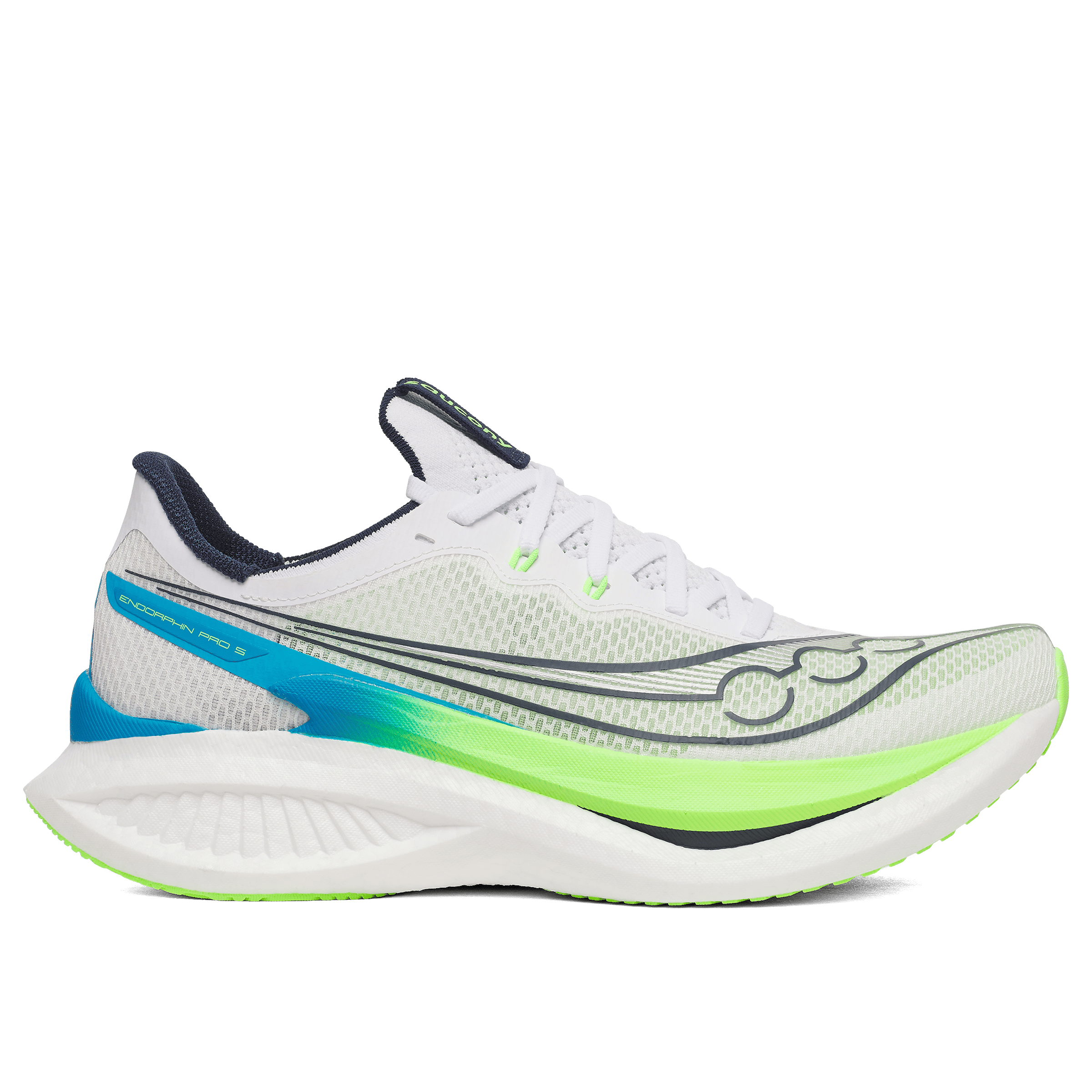
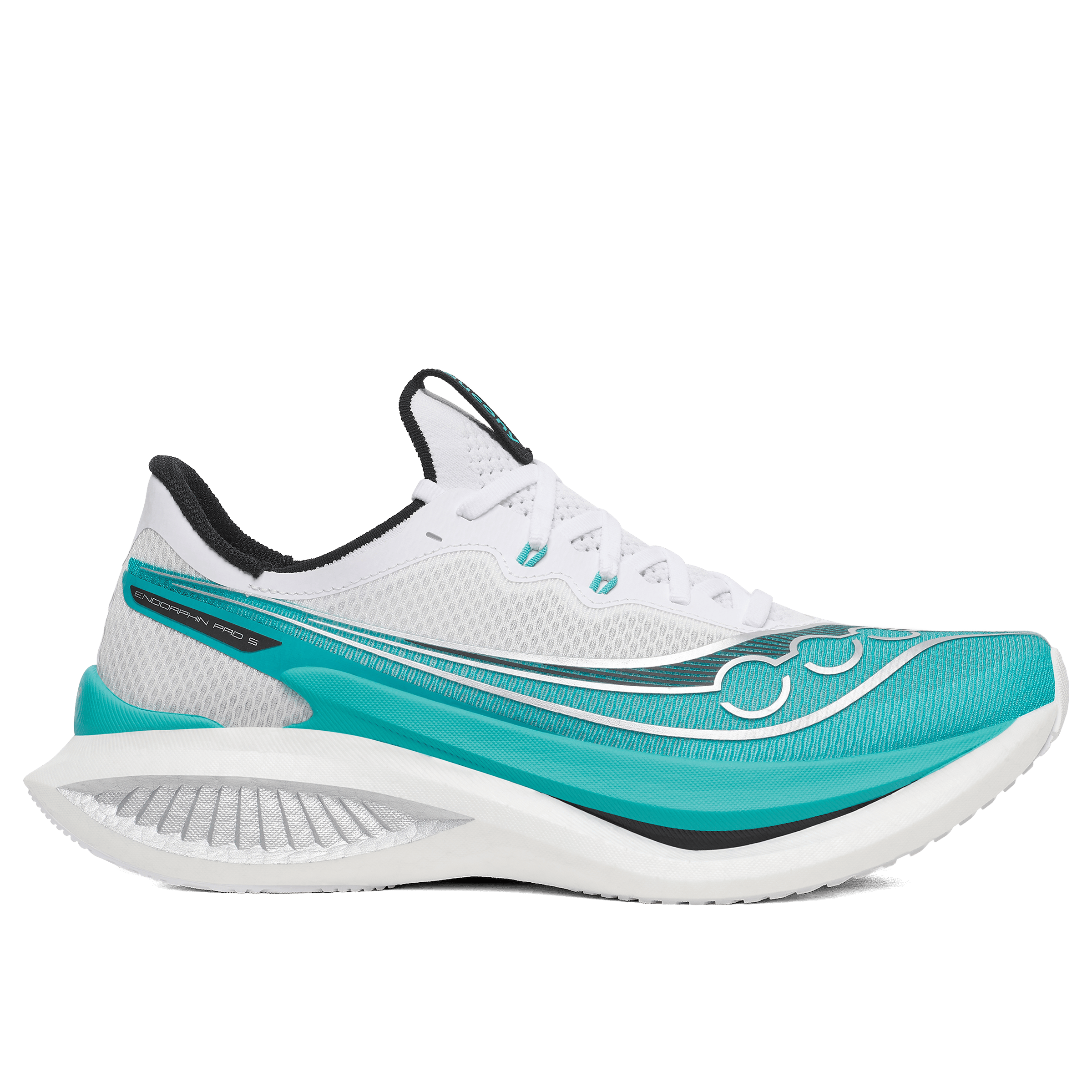
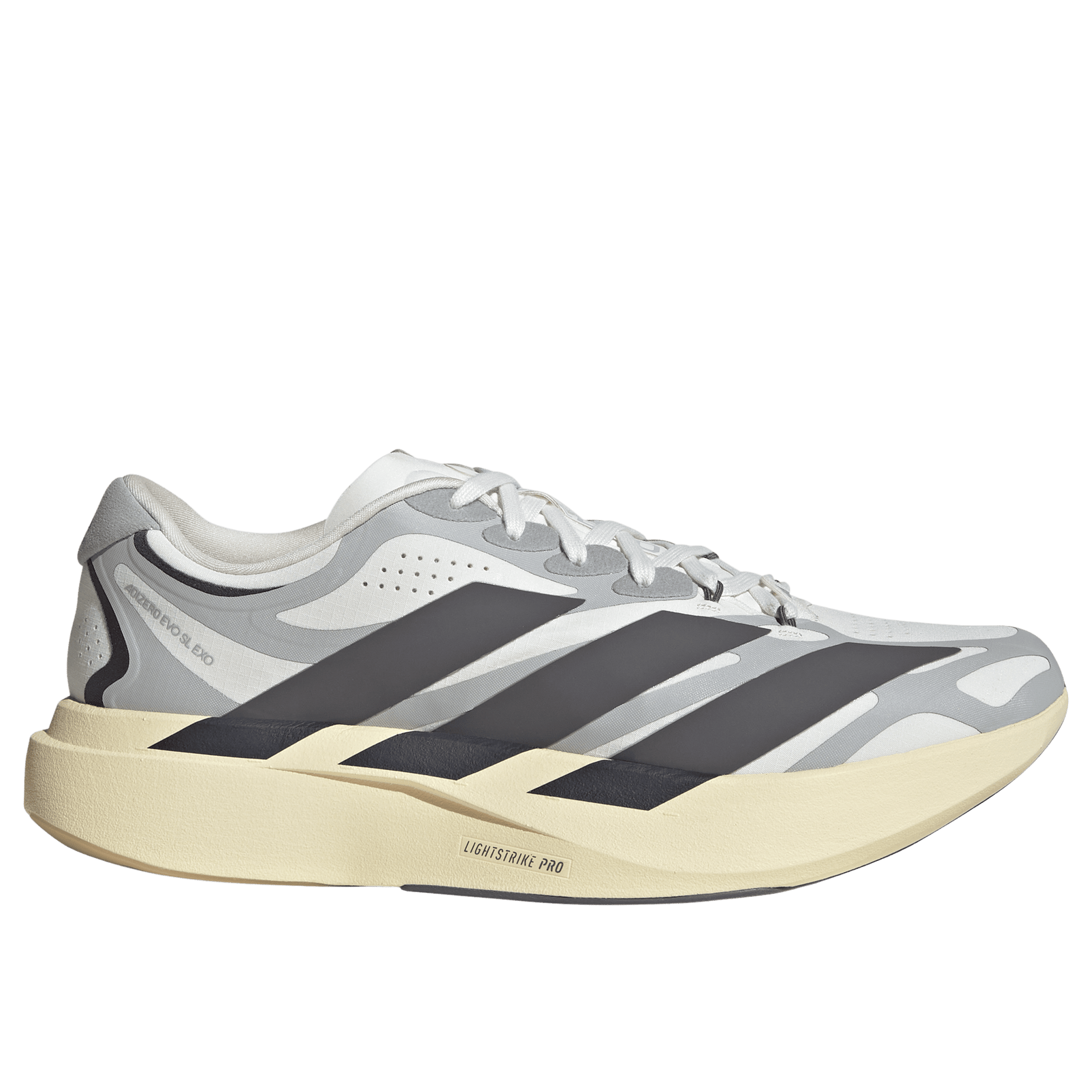
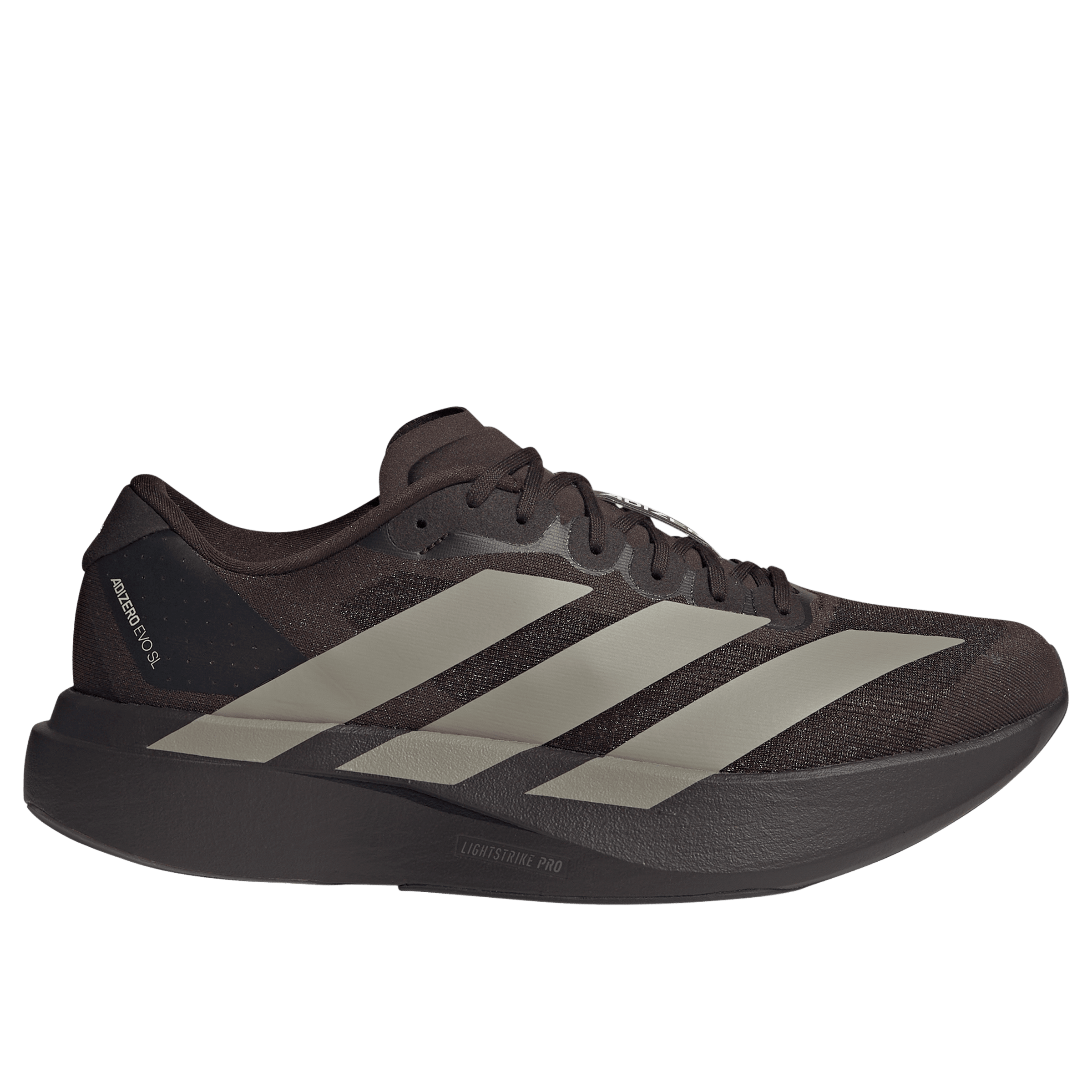
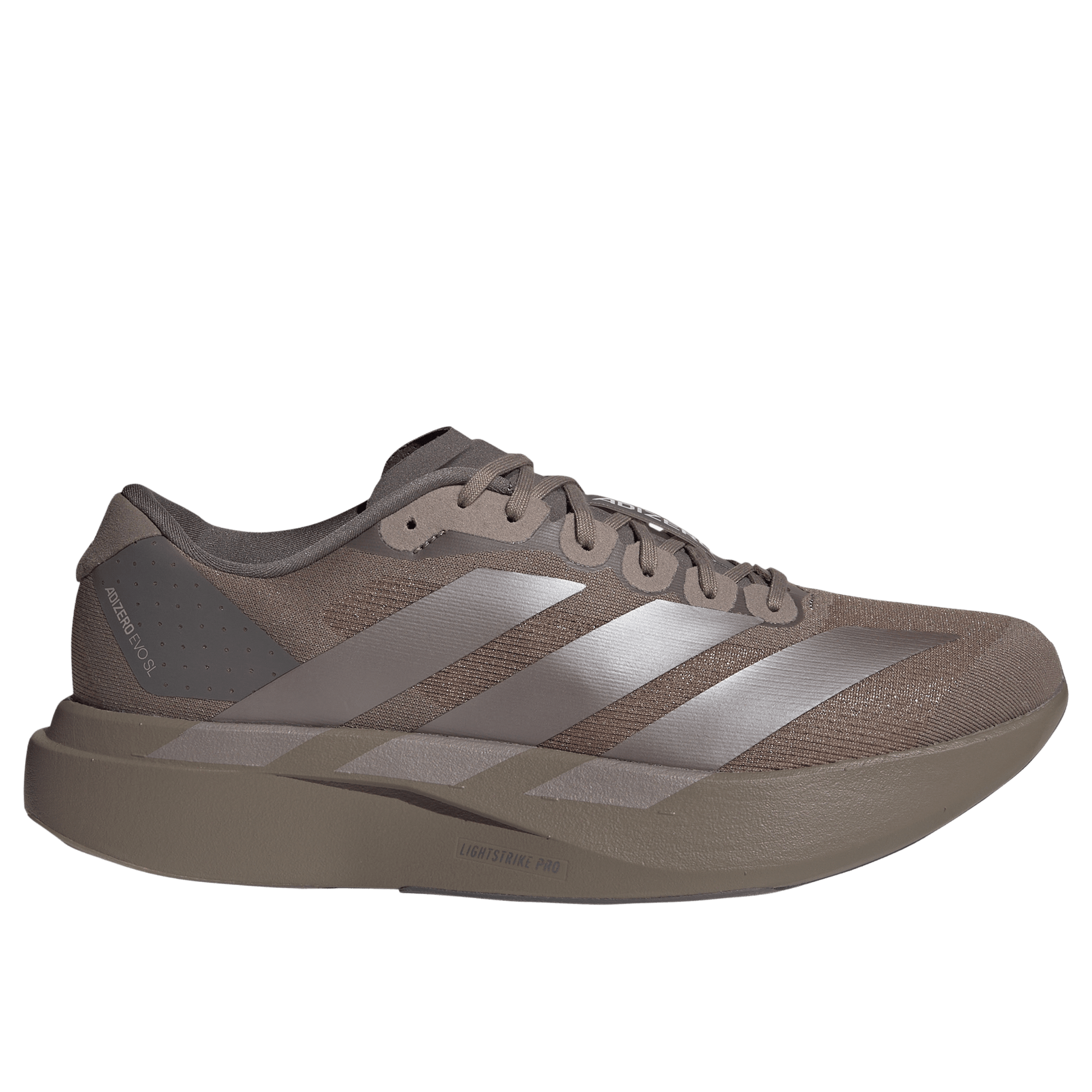
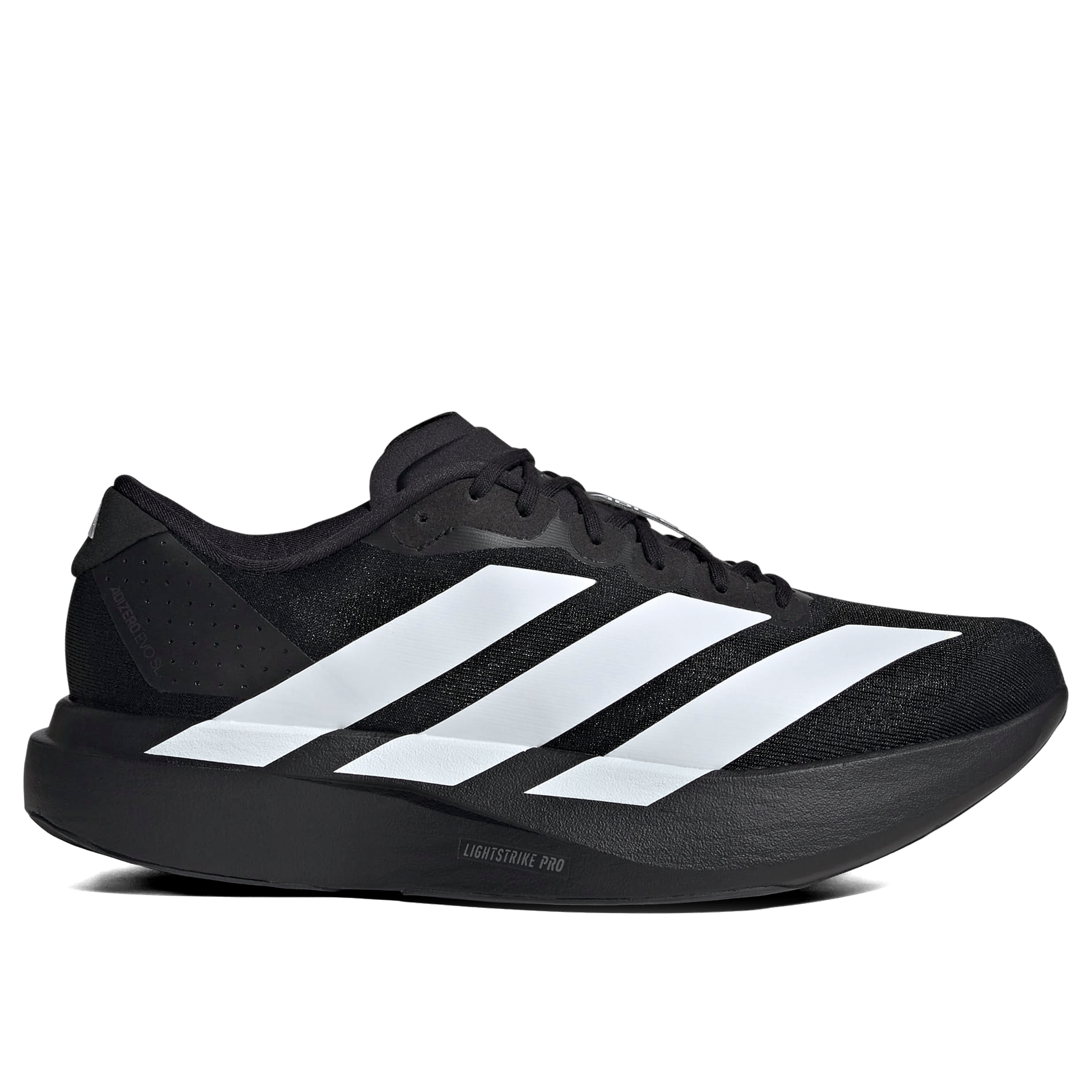
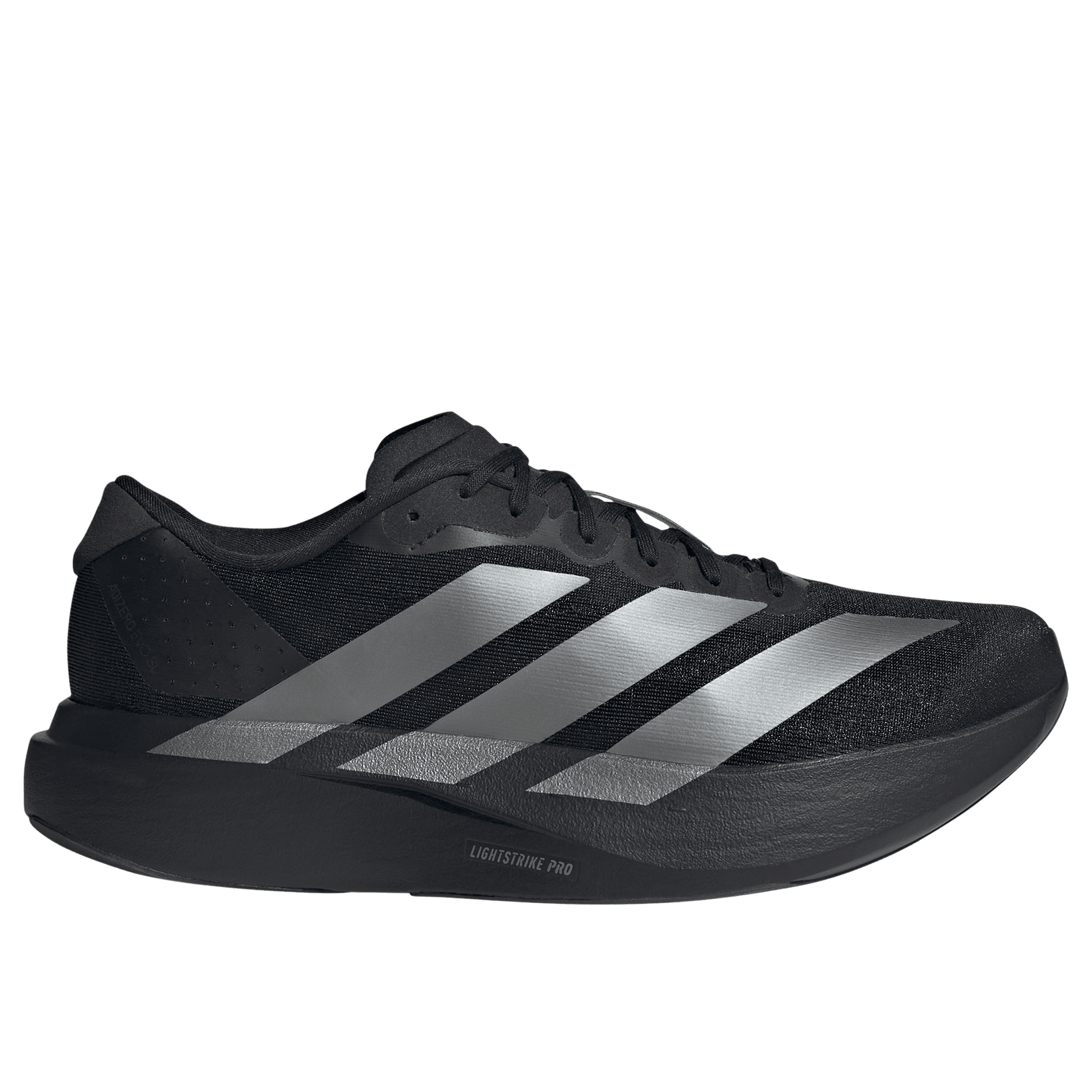
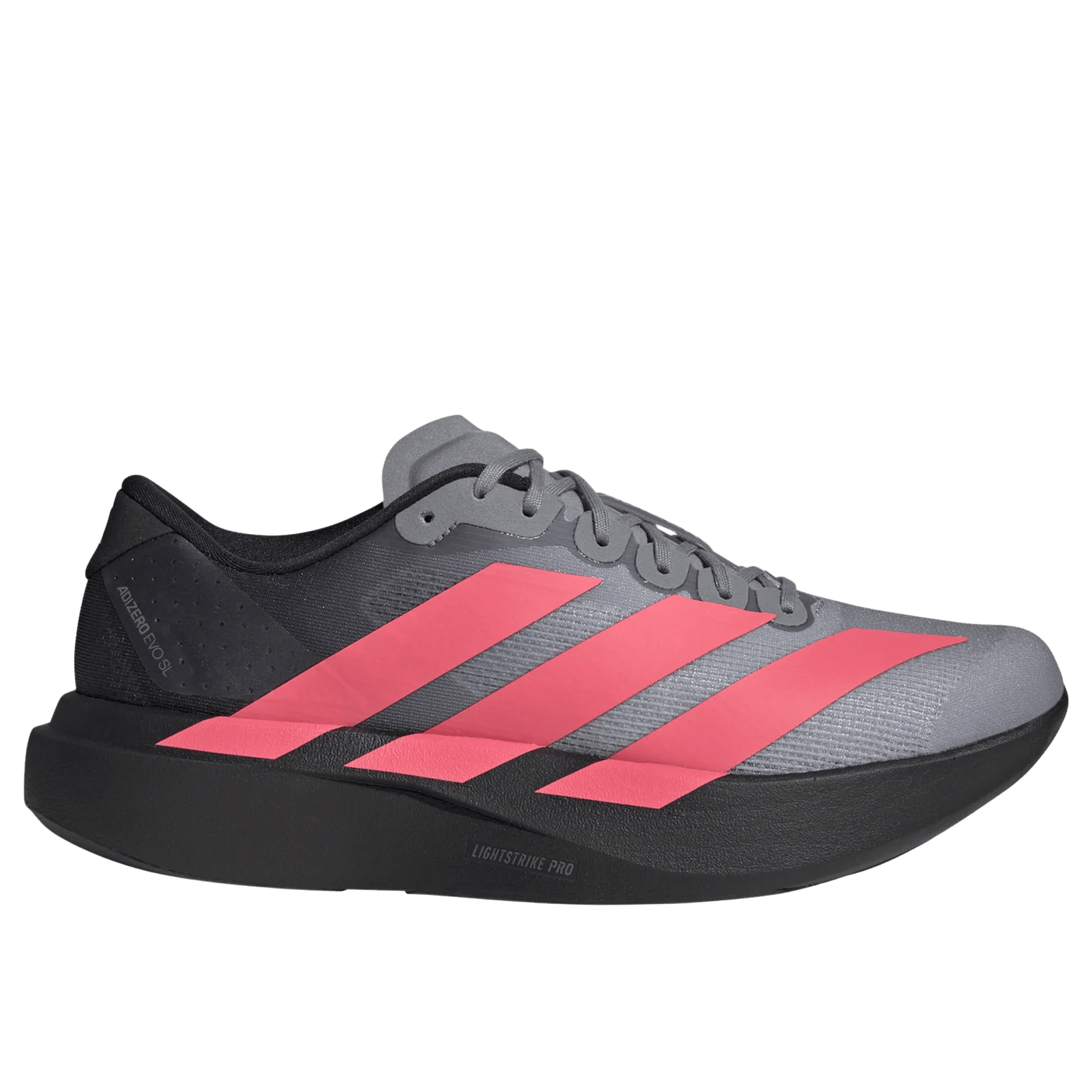
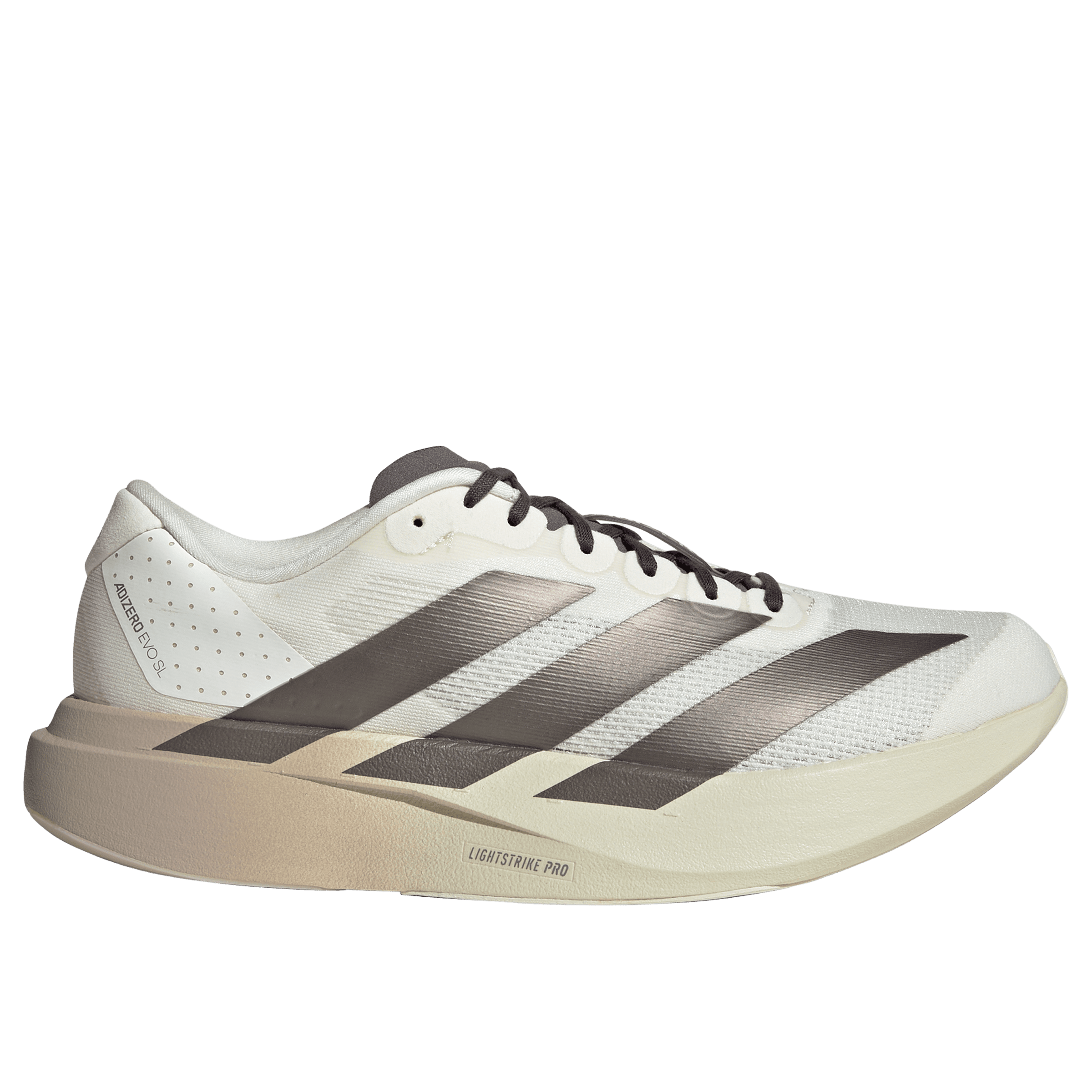
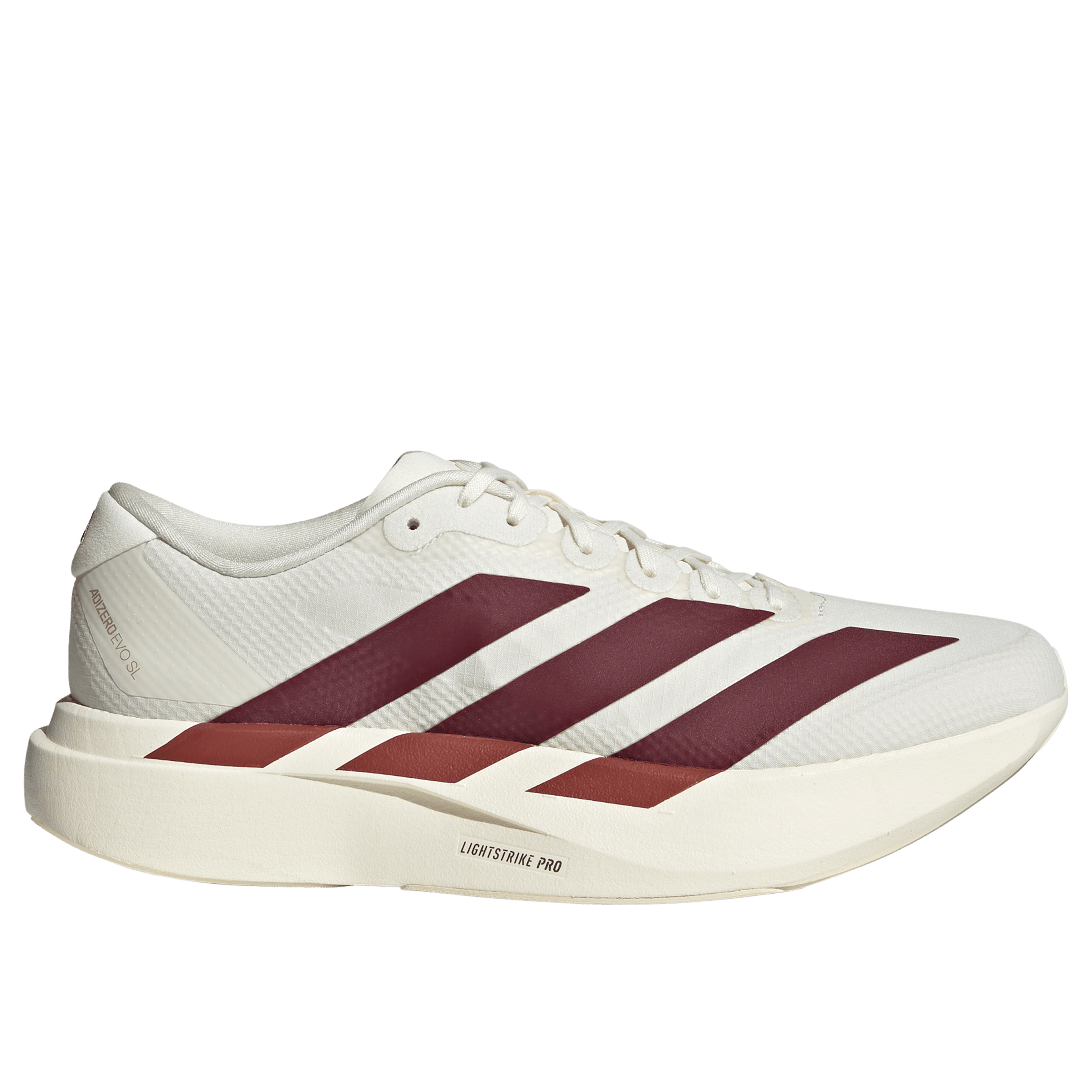
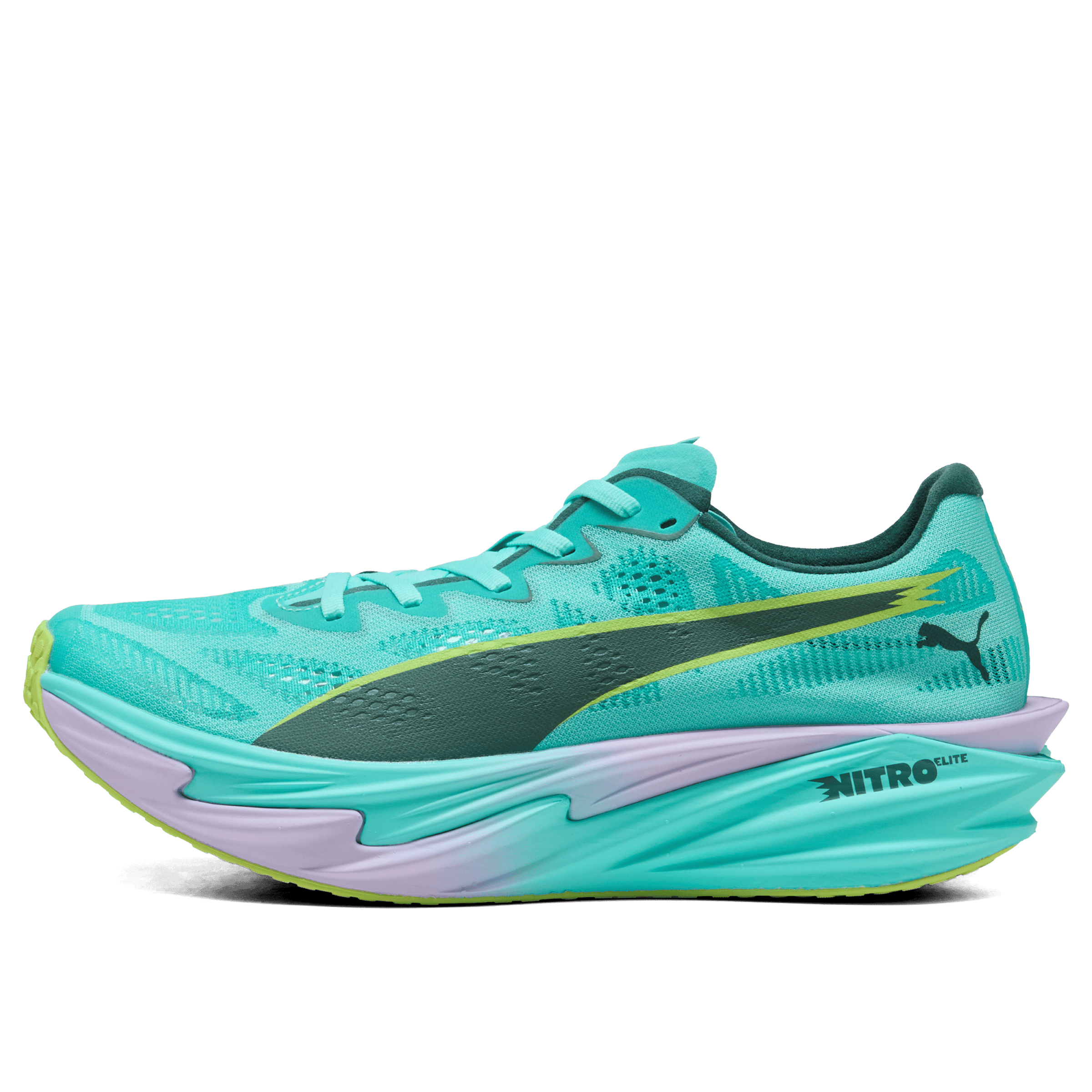
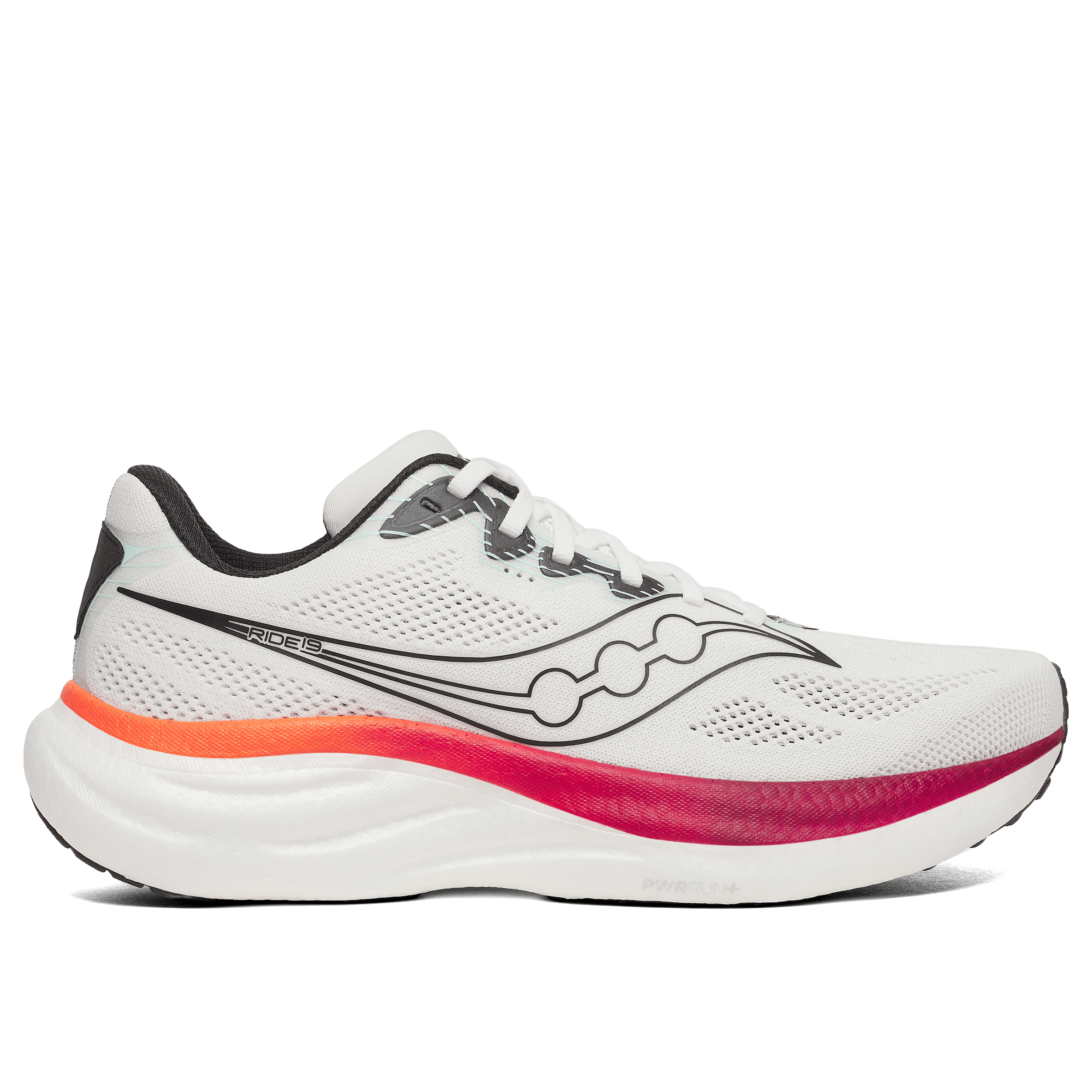
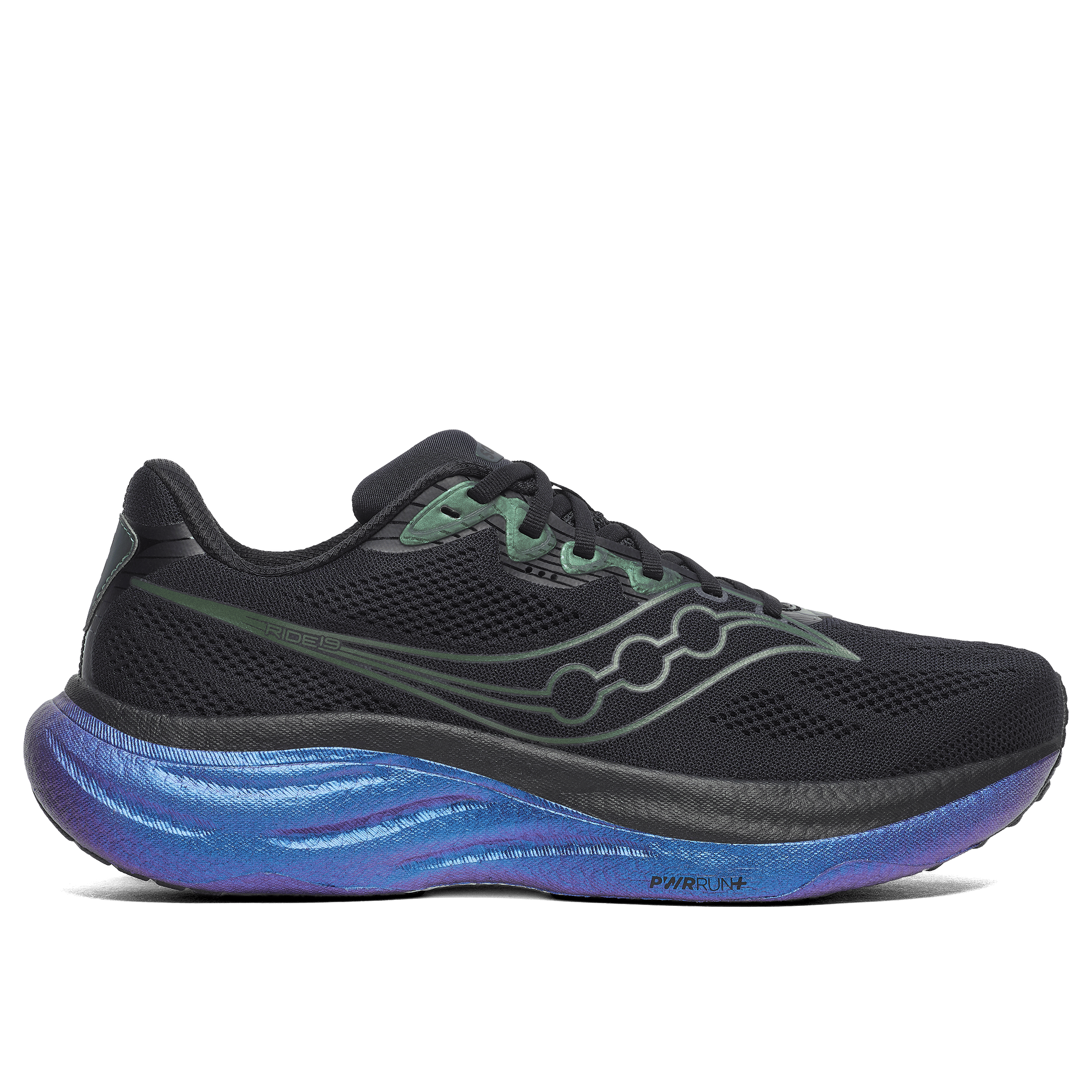
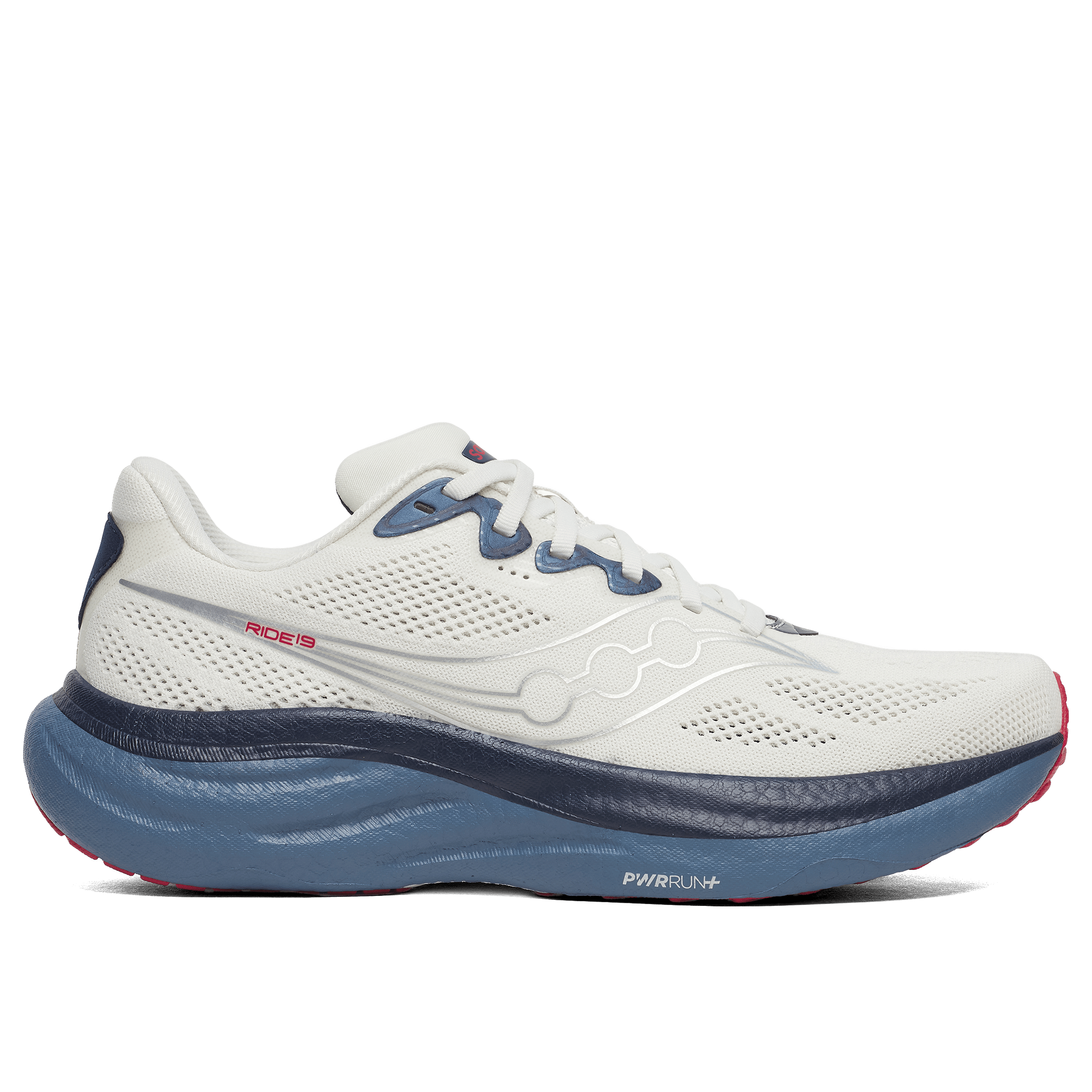
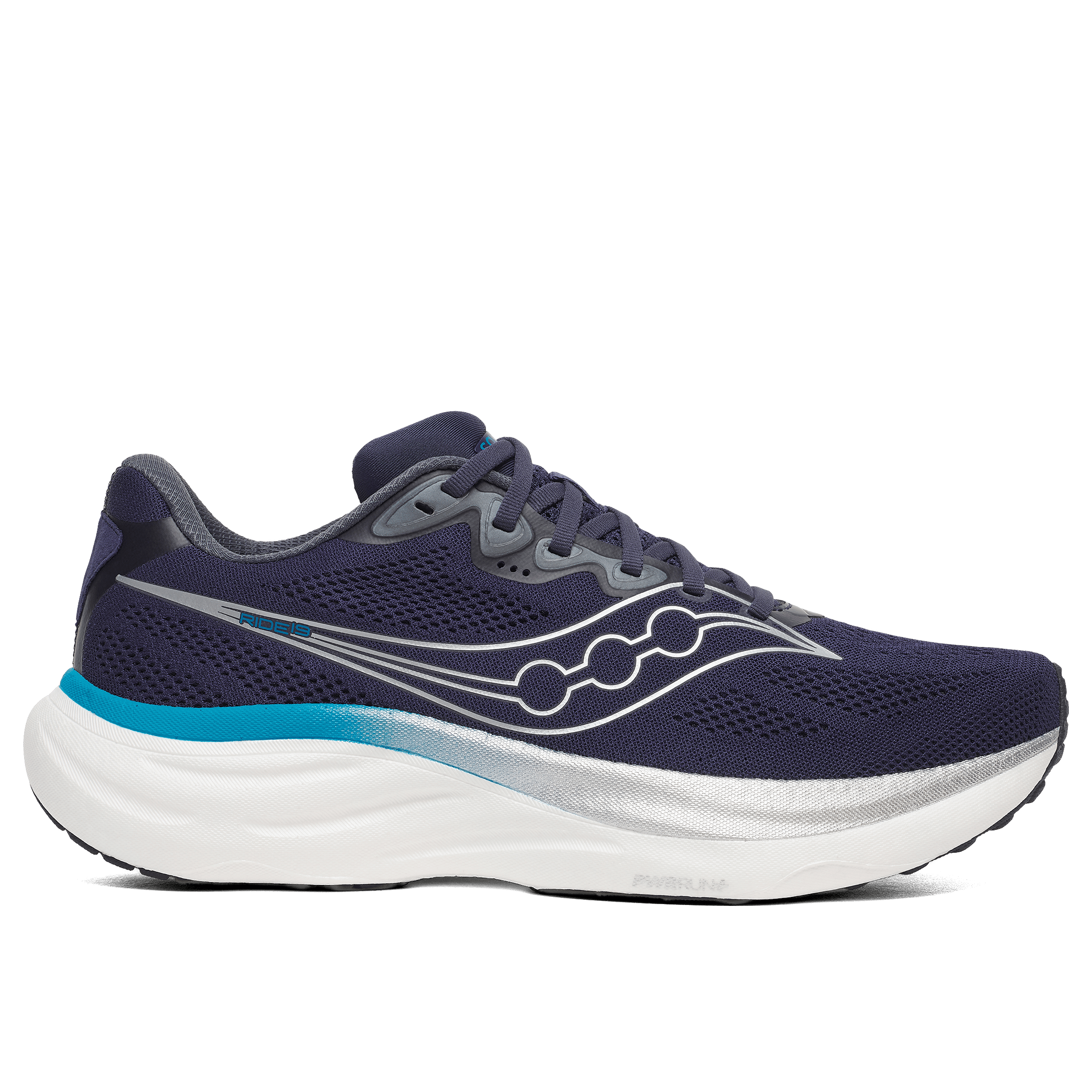
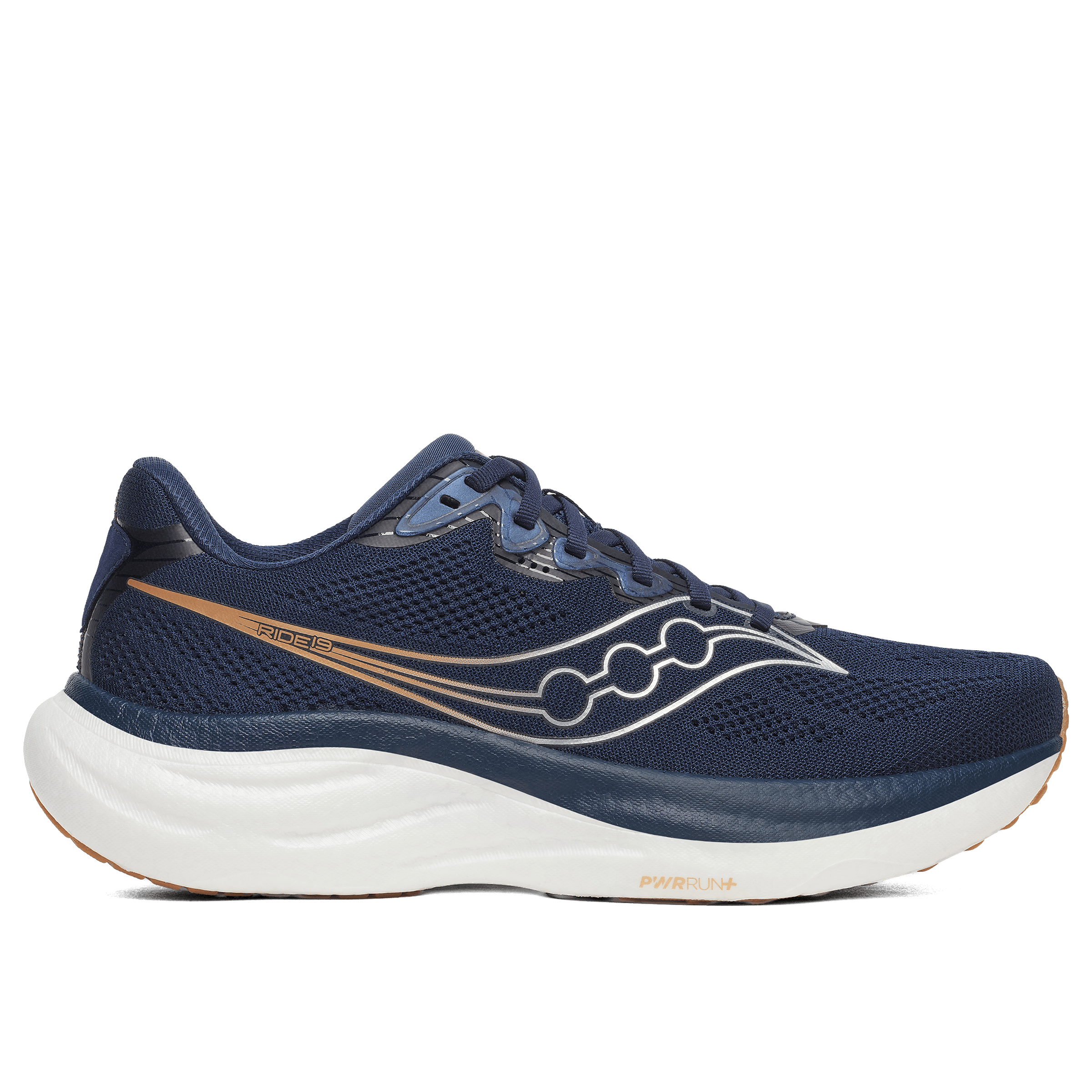
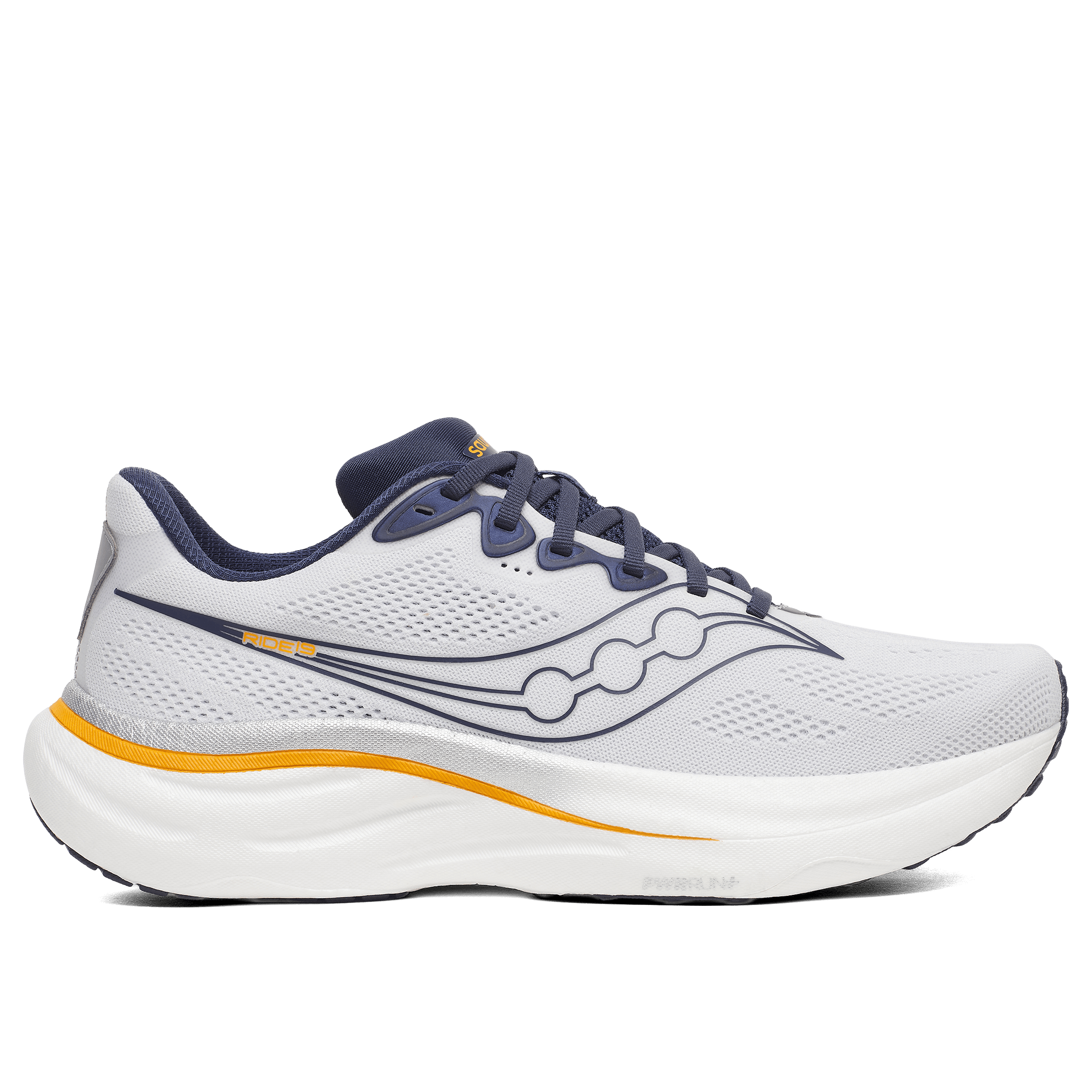
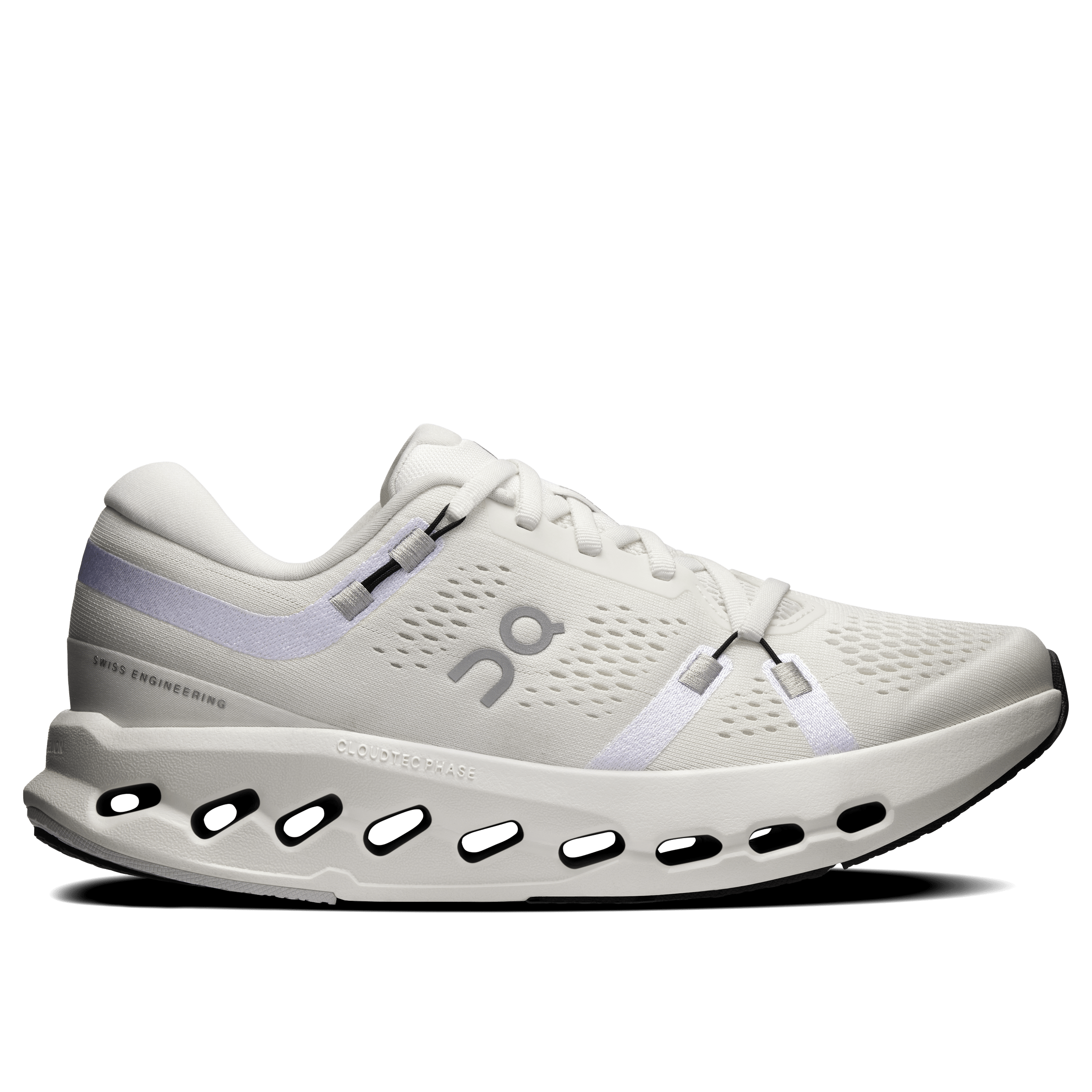
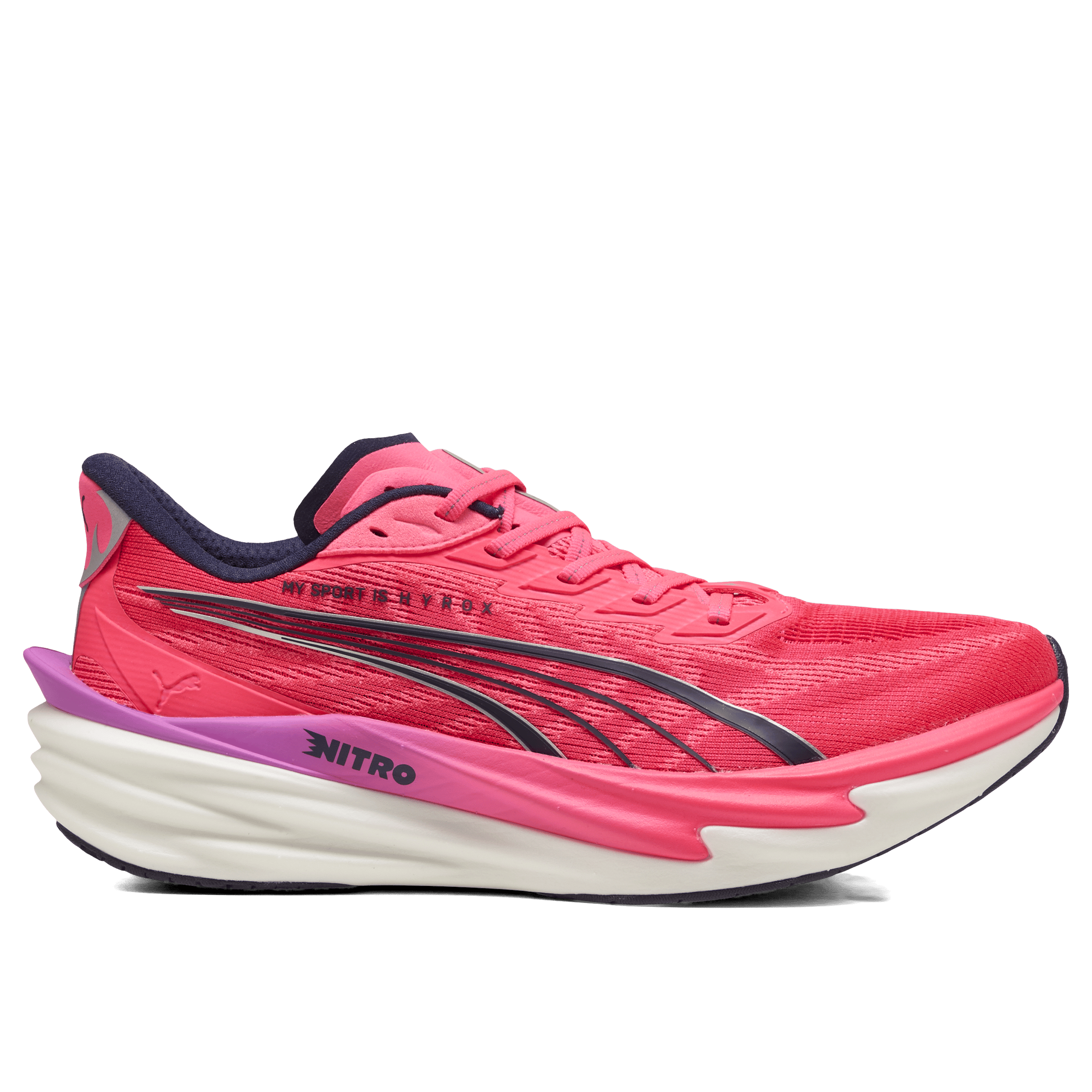
The most important investment you can make: A good pair of running shoes. It’s not recommended that you pull your old pair of training shoes or canvas sneakers out of the wardrobe and expect them to support a new running habit. Running shoes are engineered specifically for the forward repetitive motion of running and provide the necessary cushioning to absorb impact and the structural support to keep your foot aligned.
- Top Seller
+10+9+8

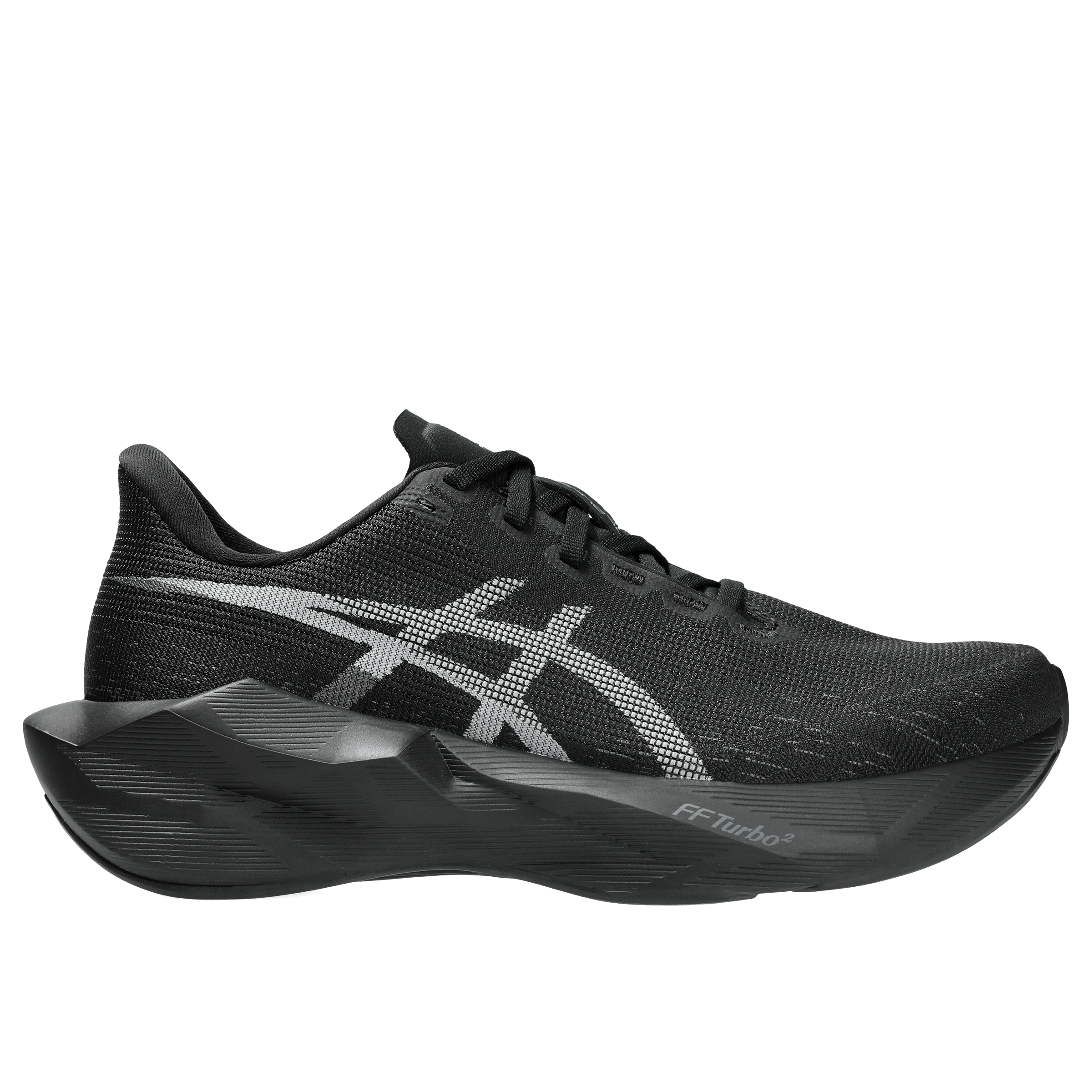
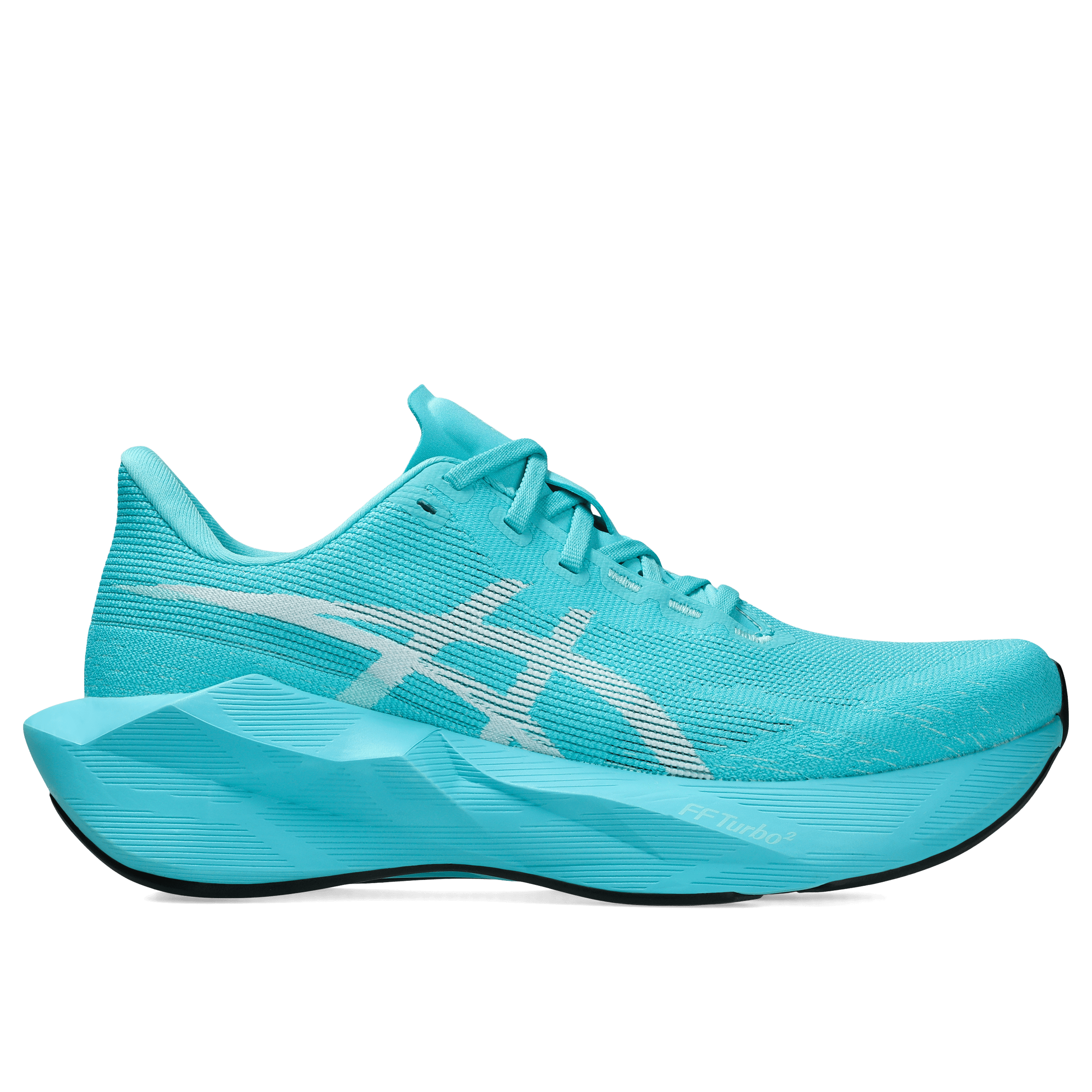
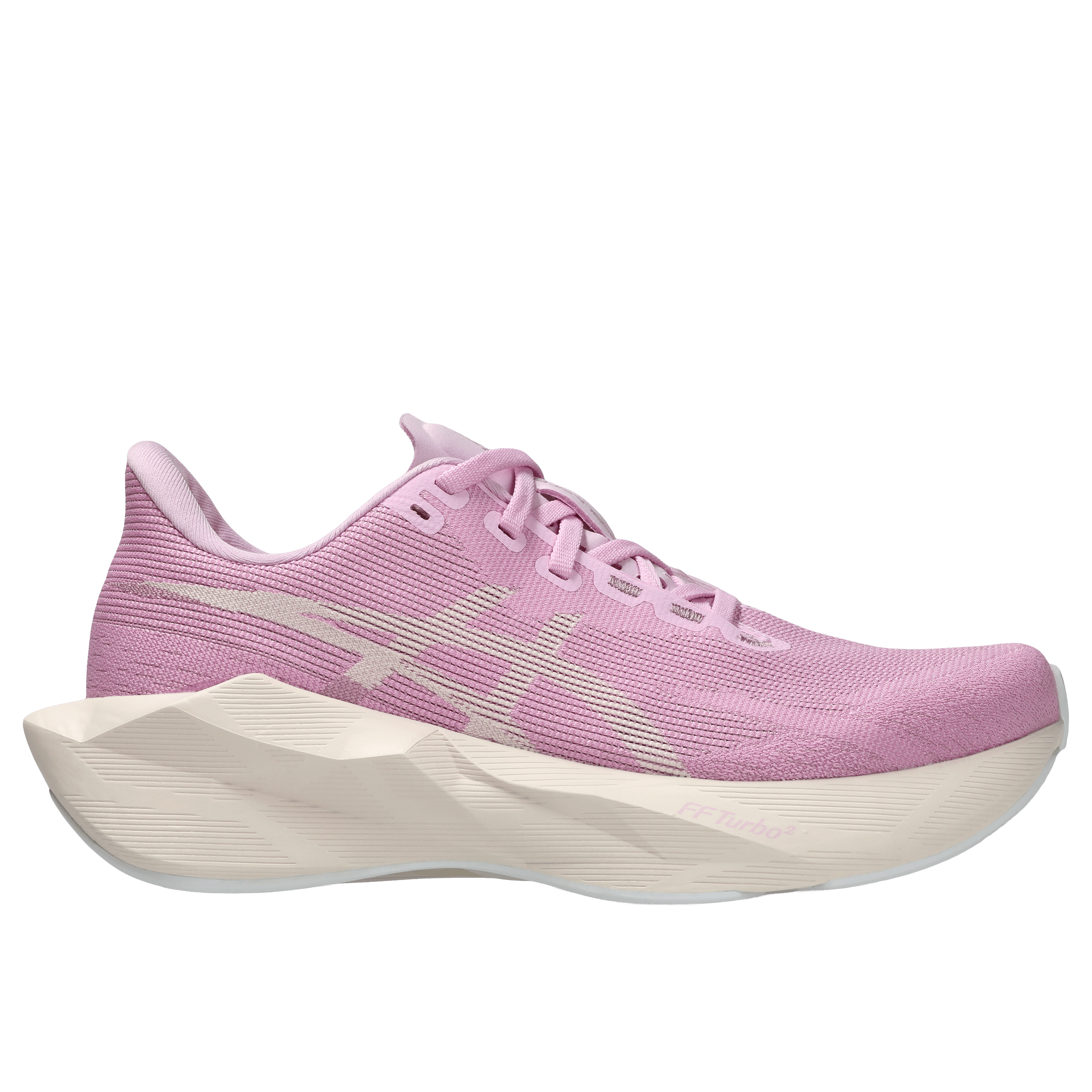
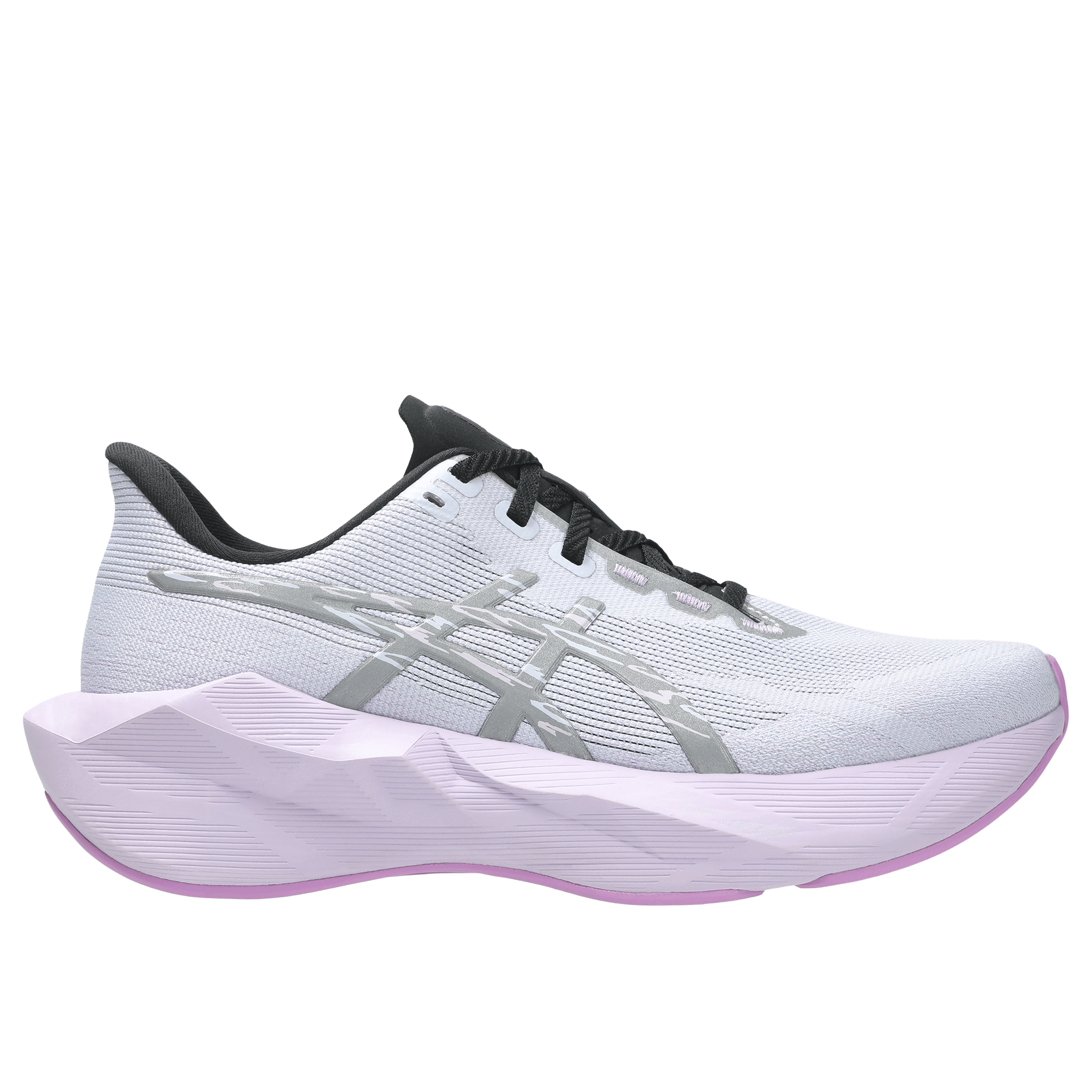

































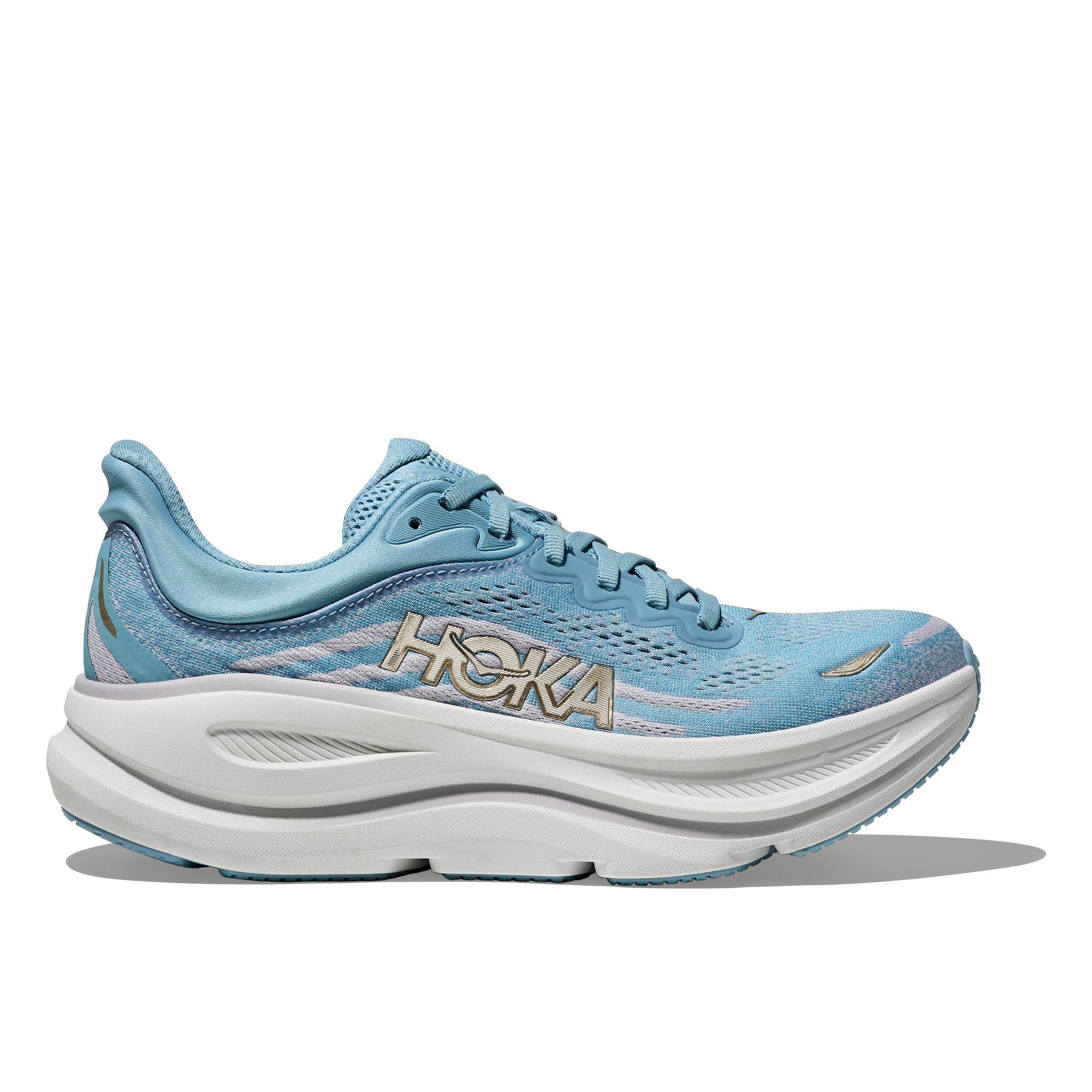



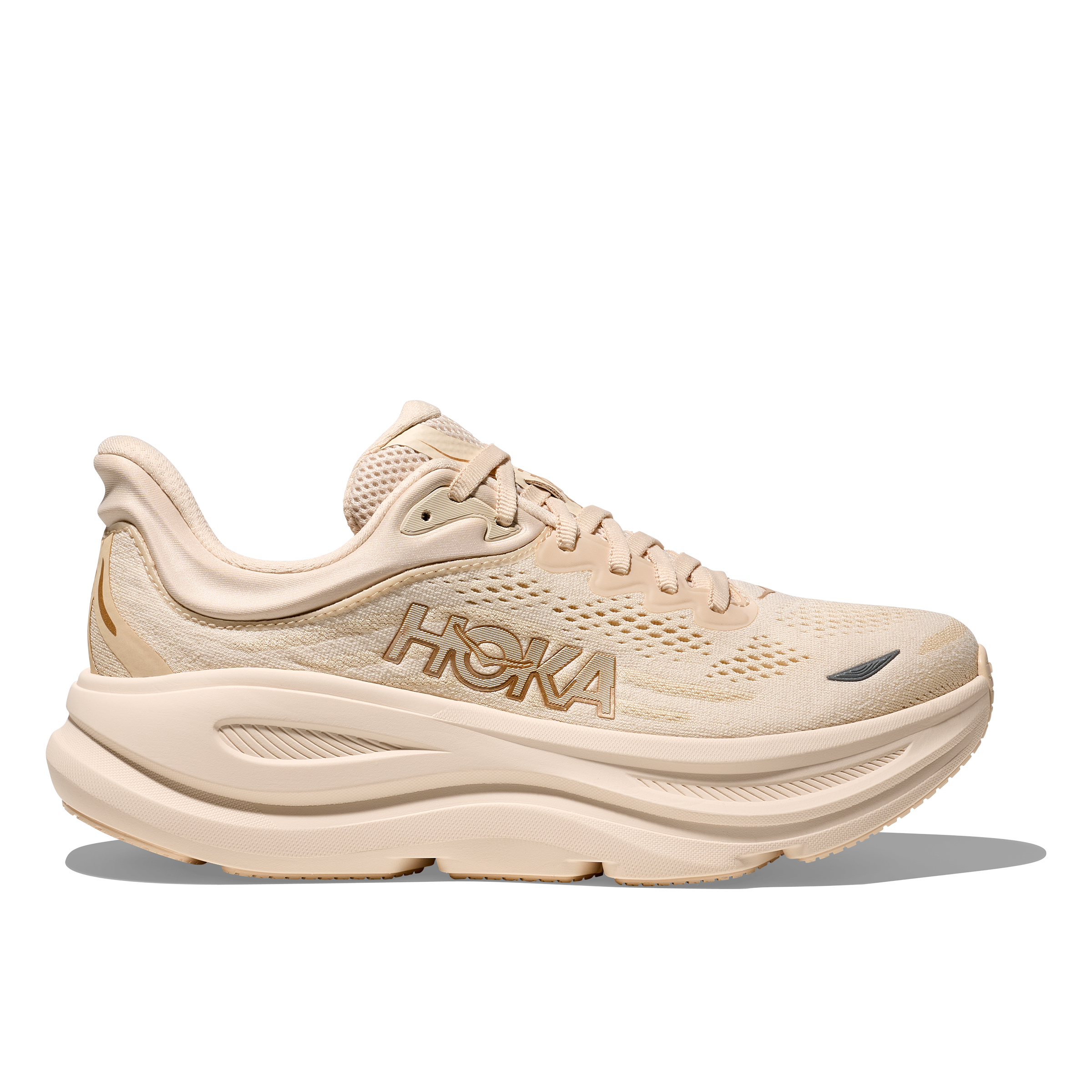
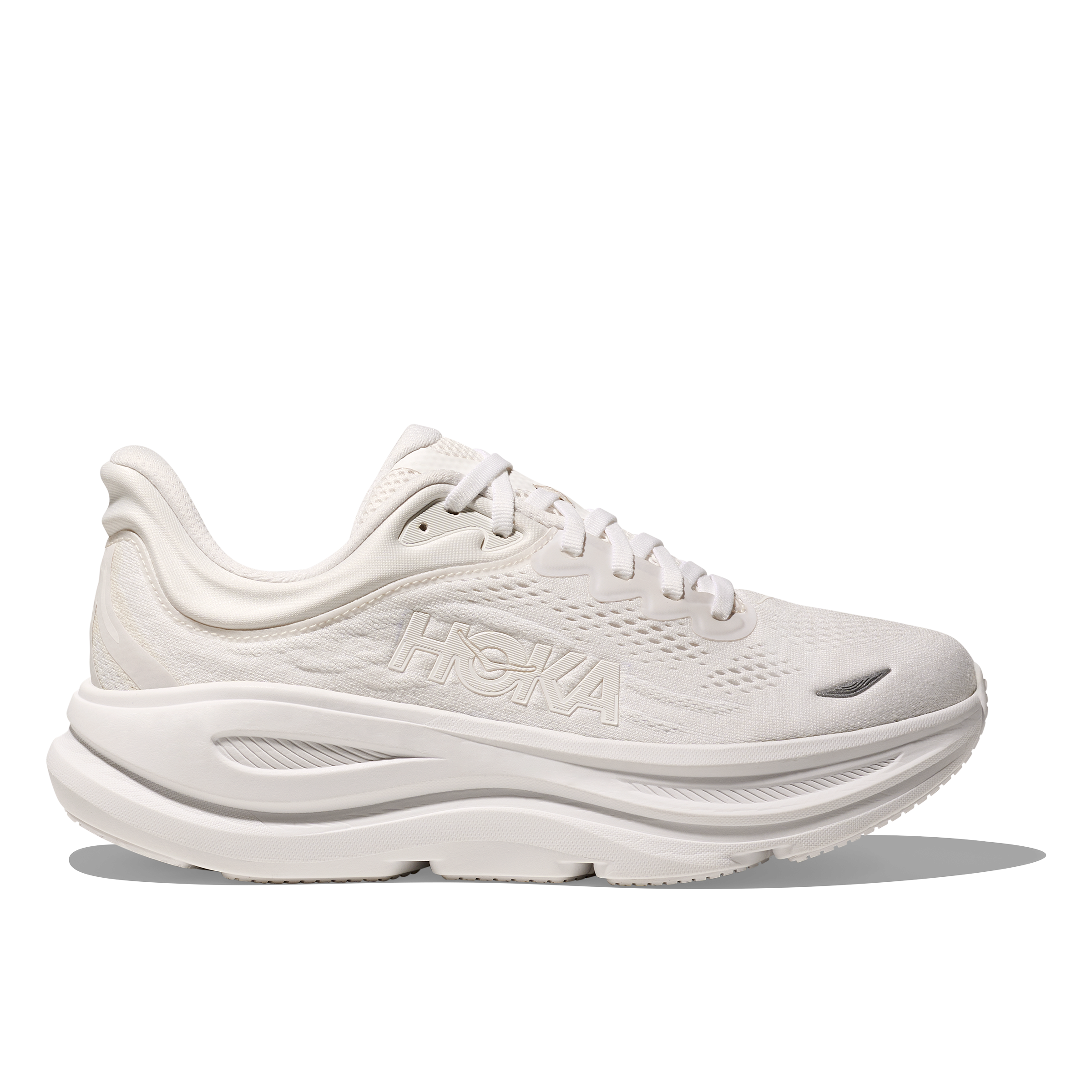
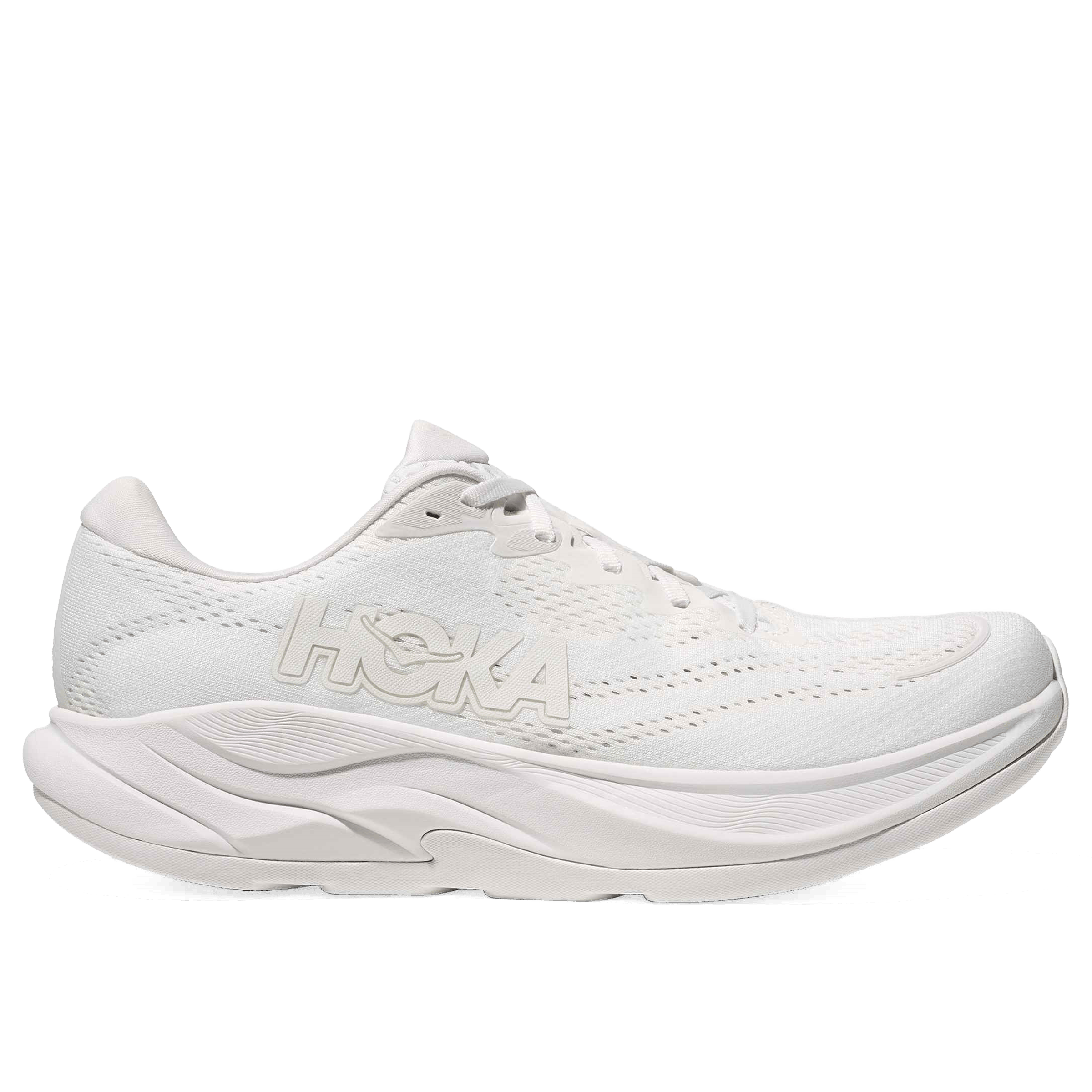


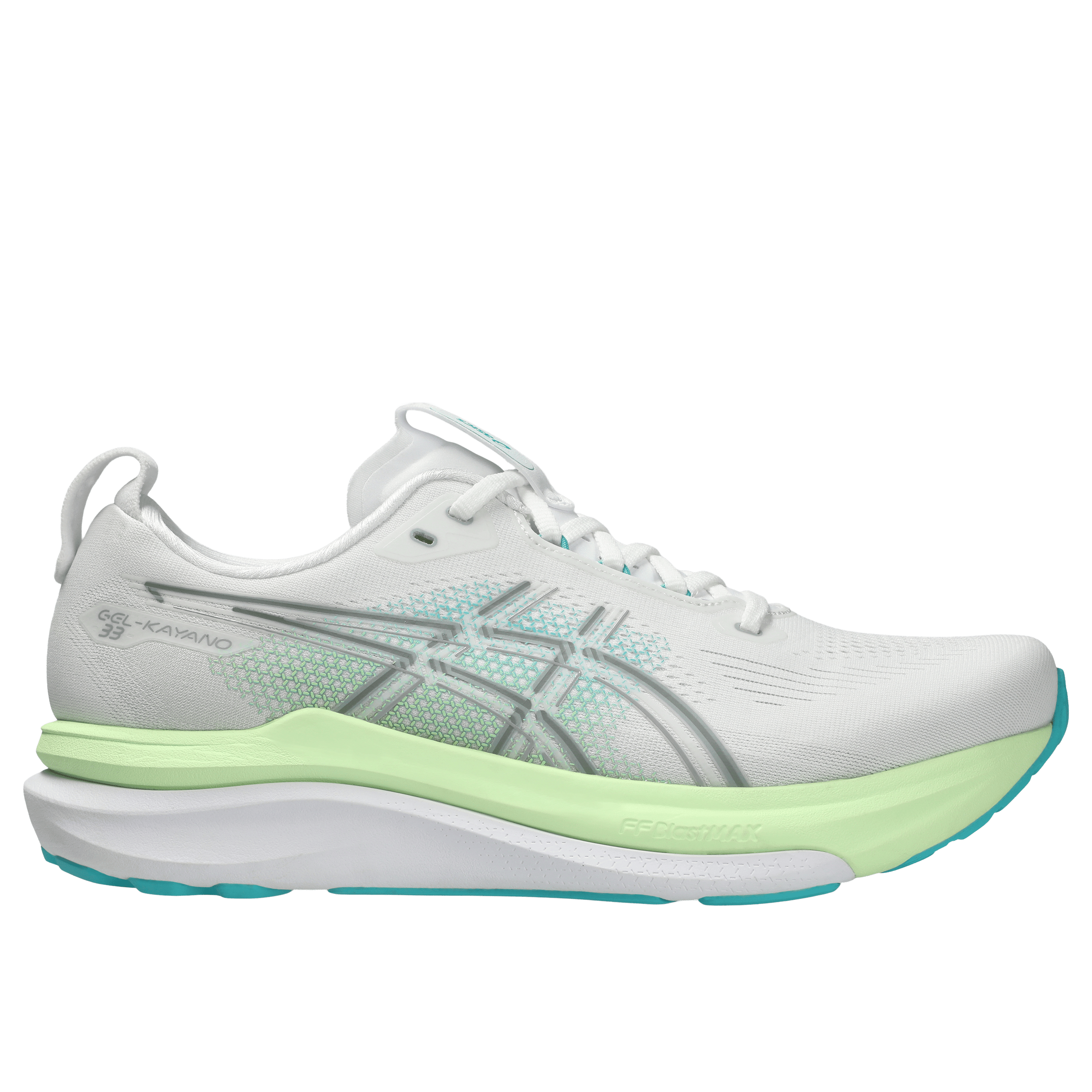
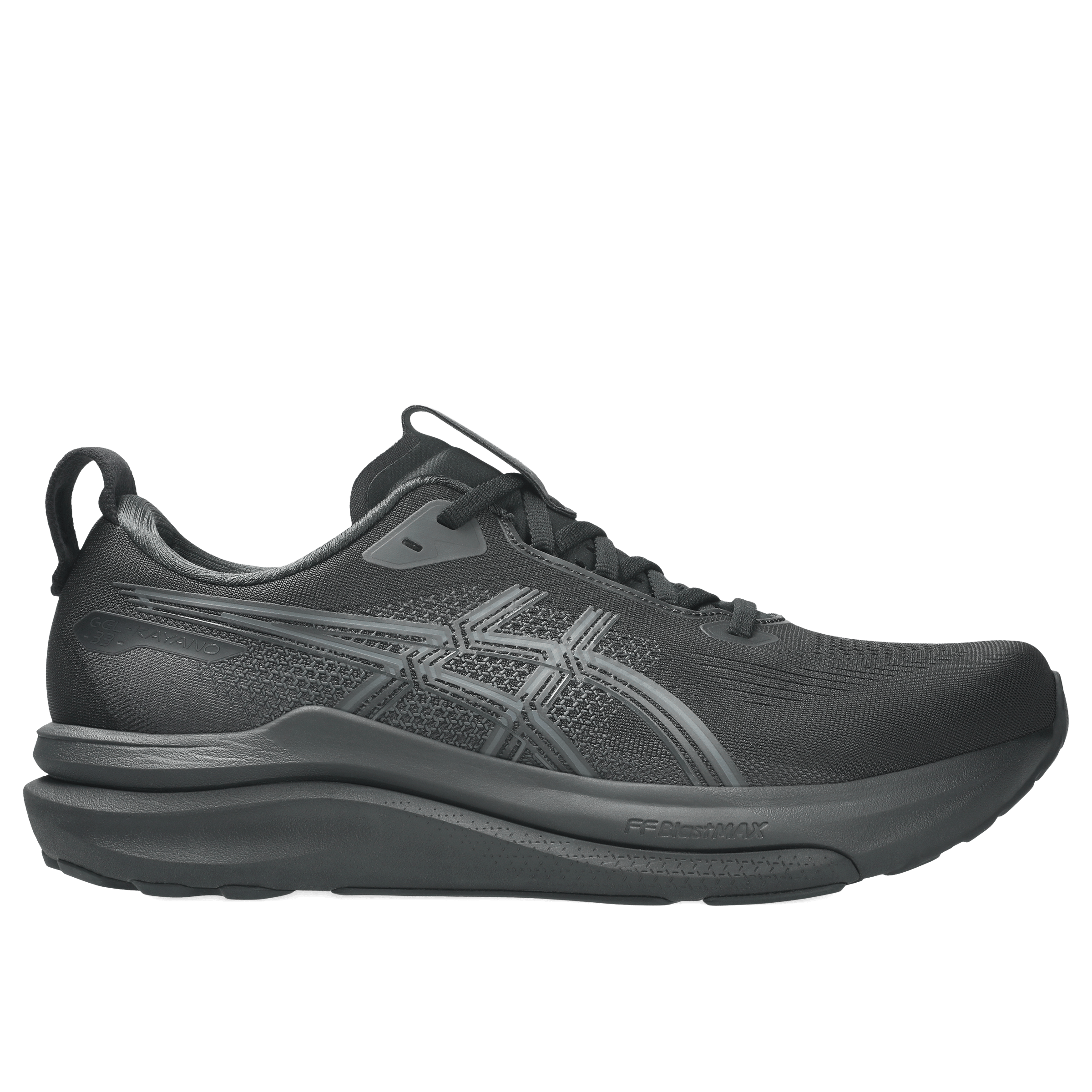
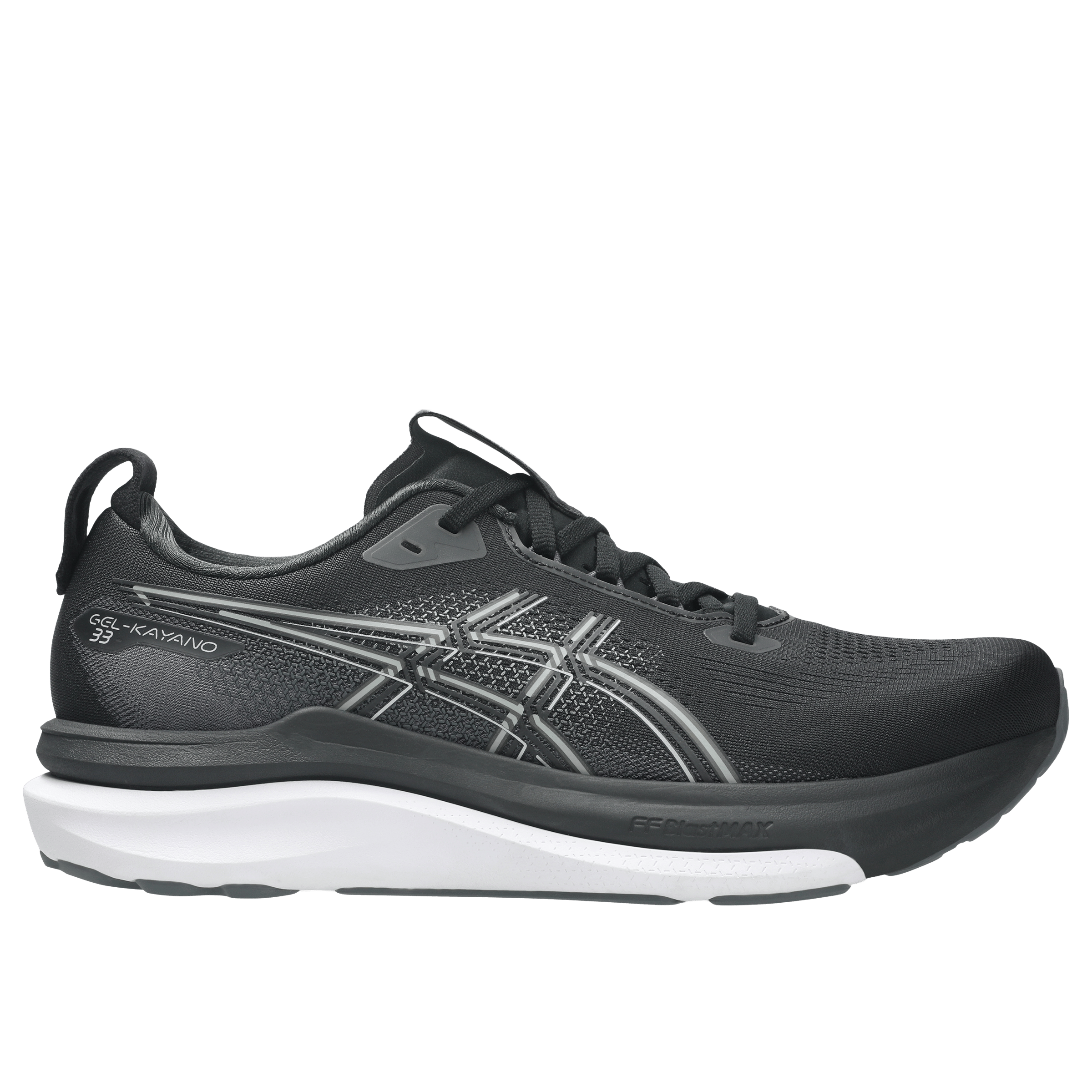
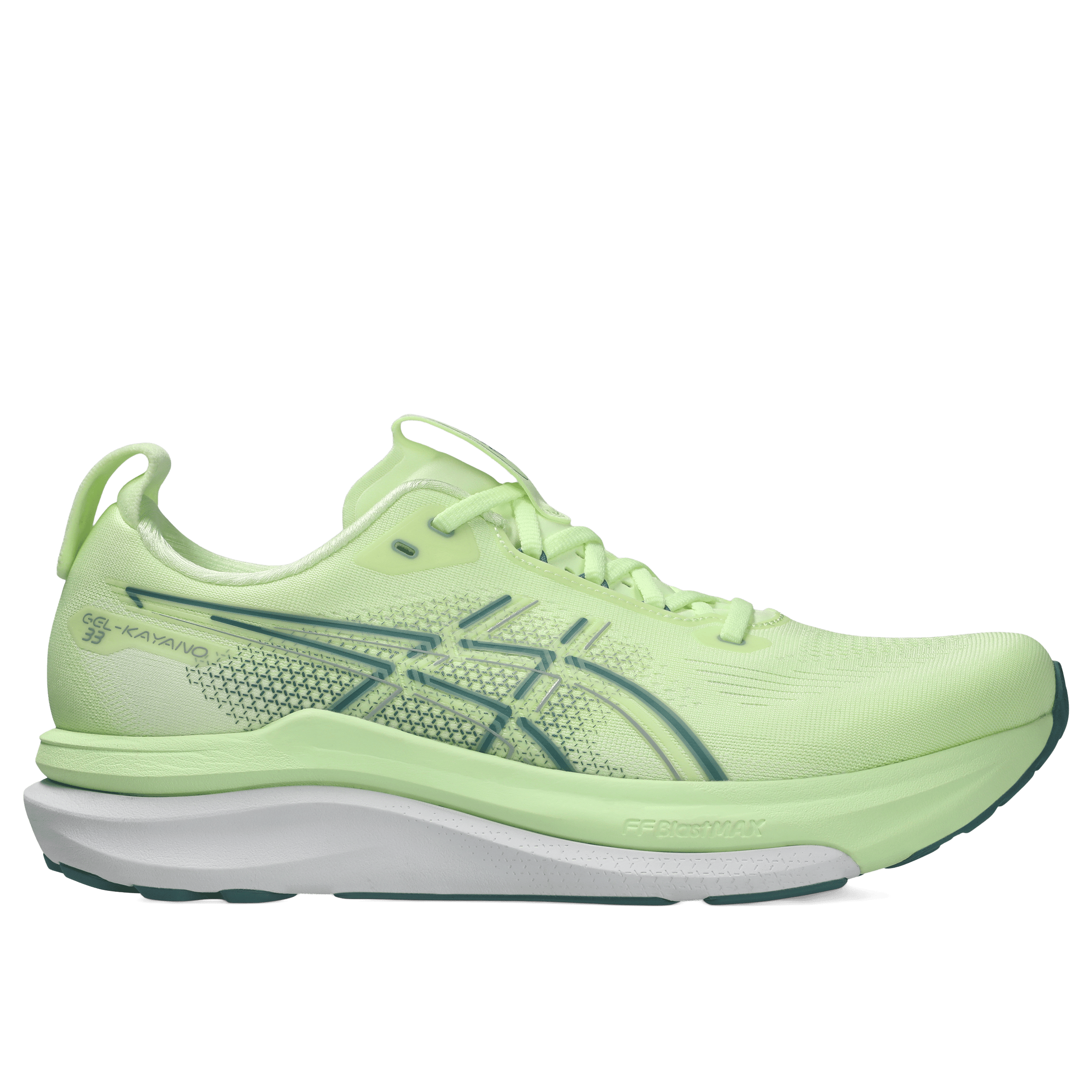
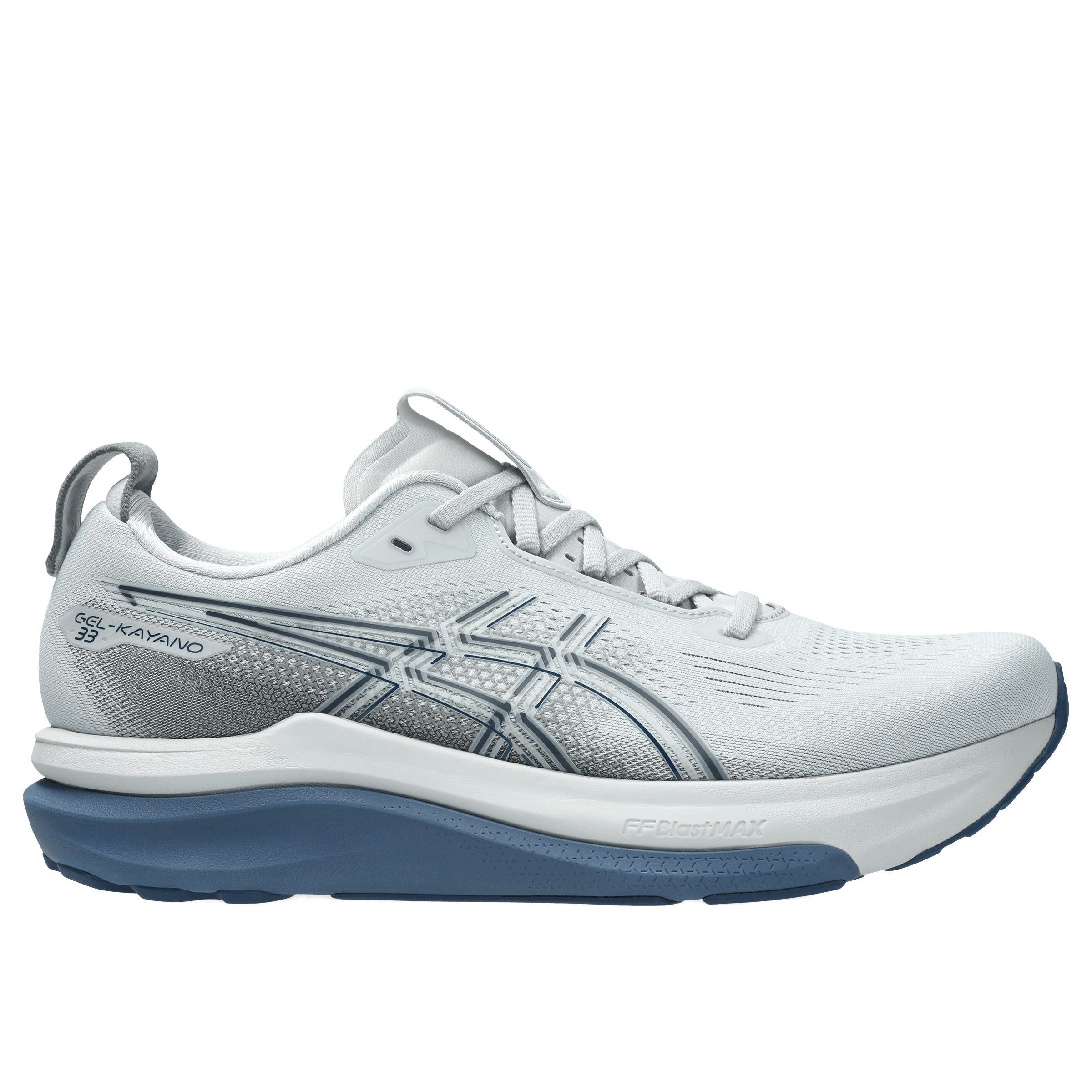
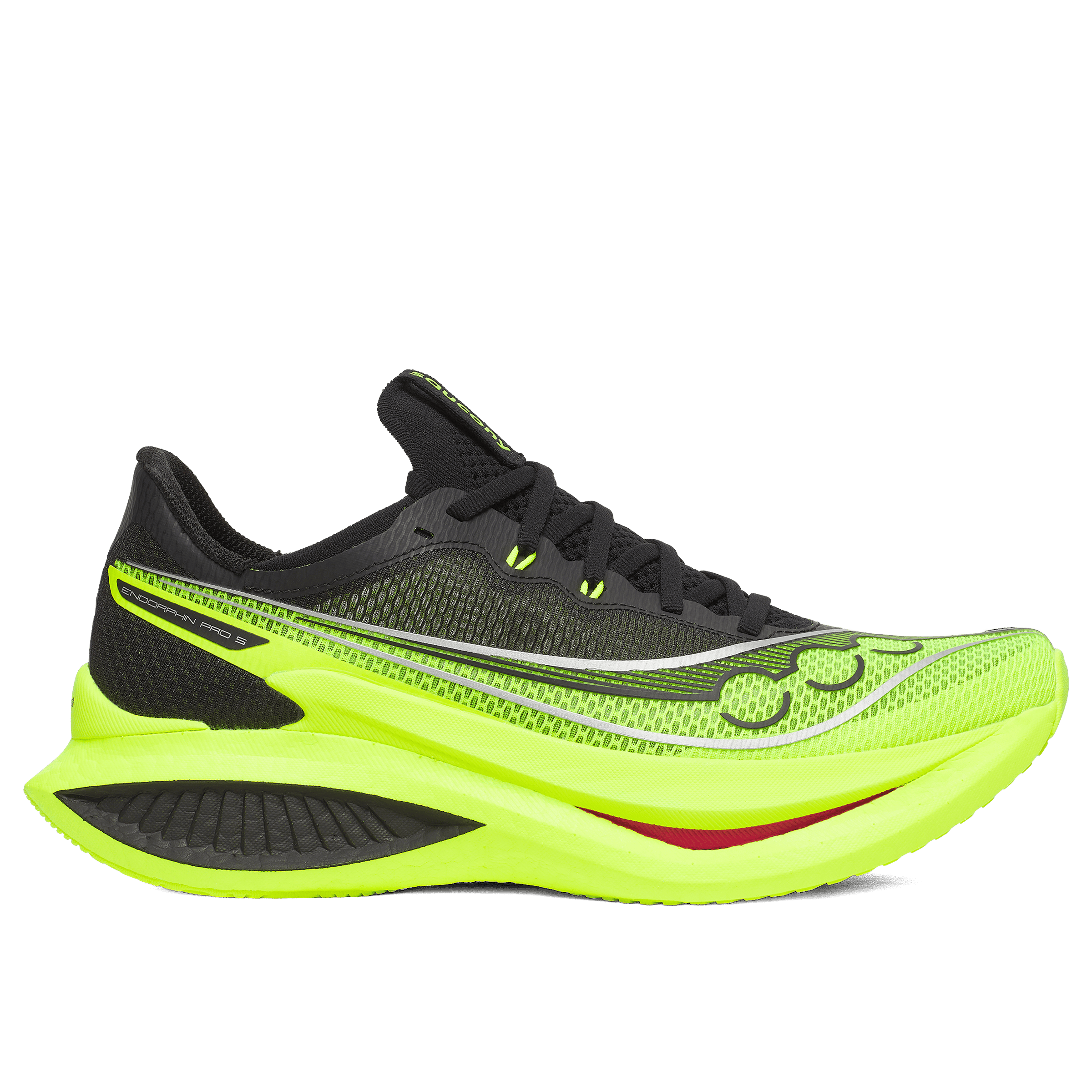

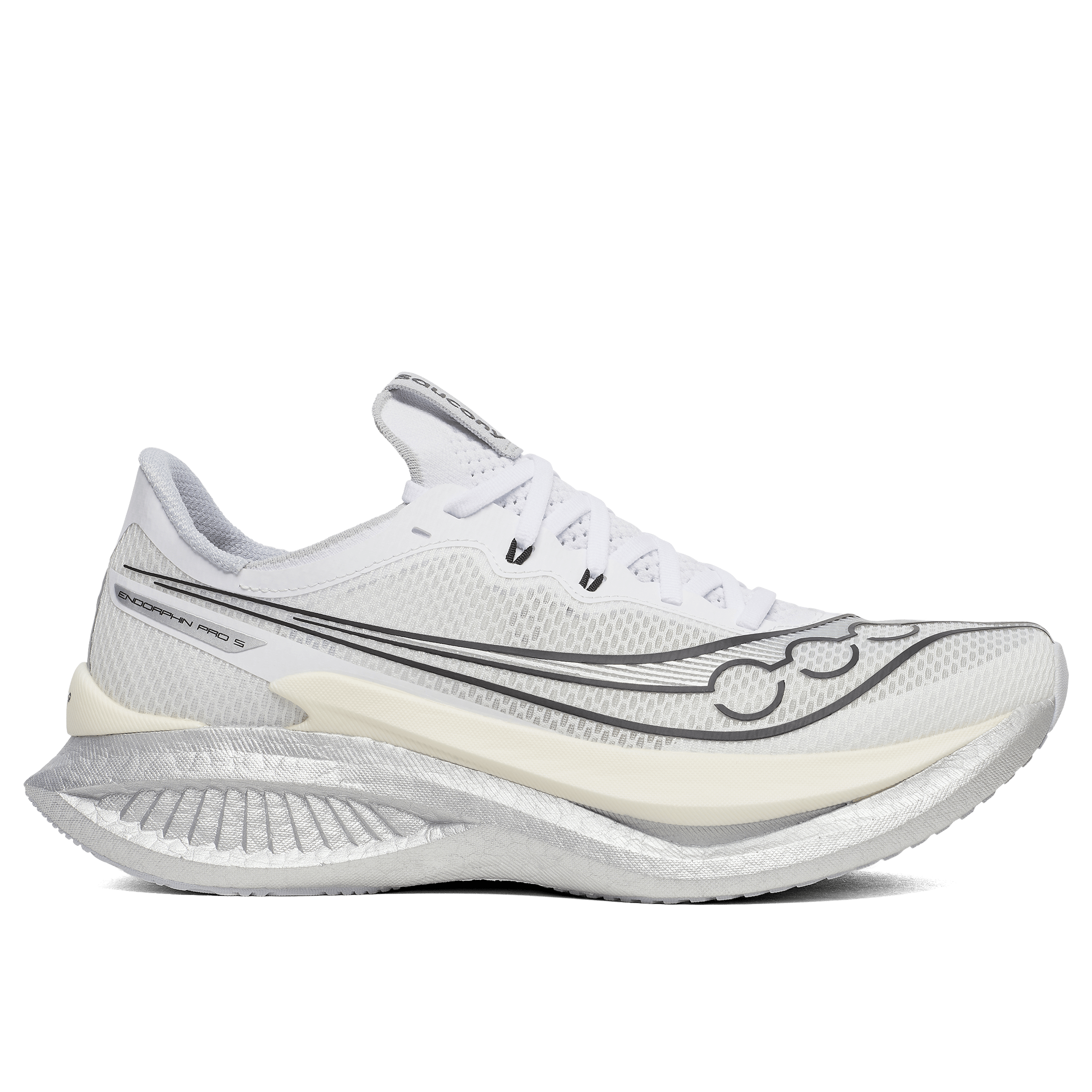
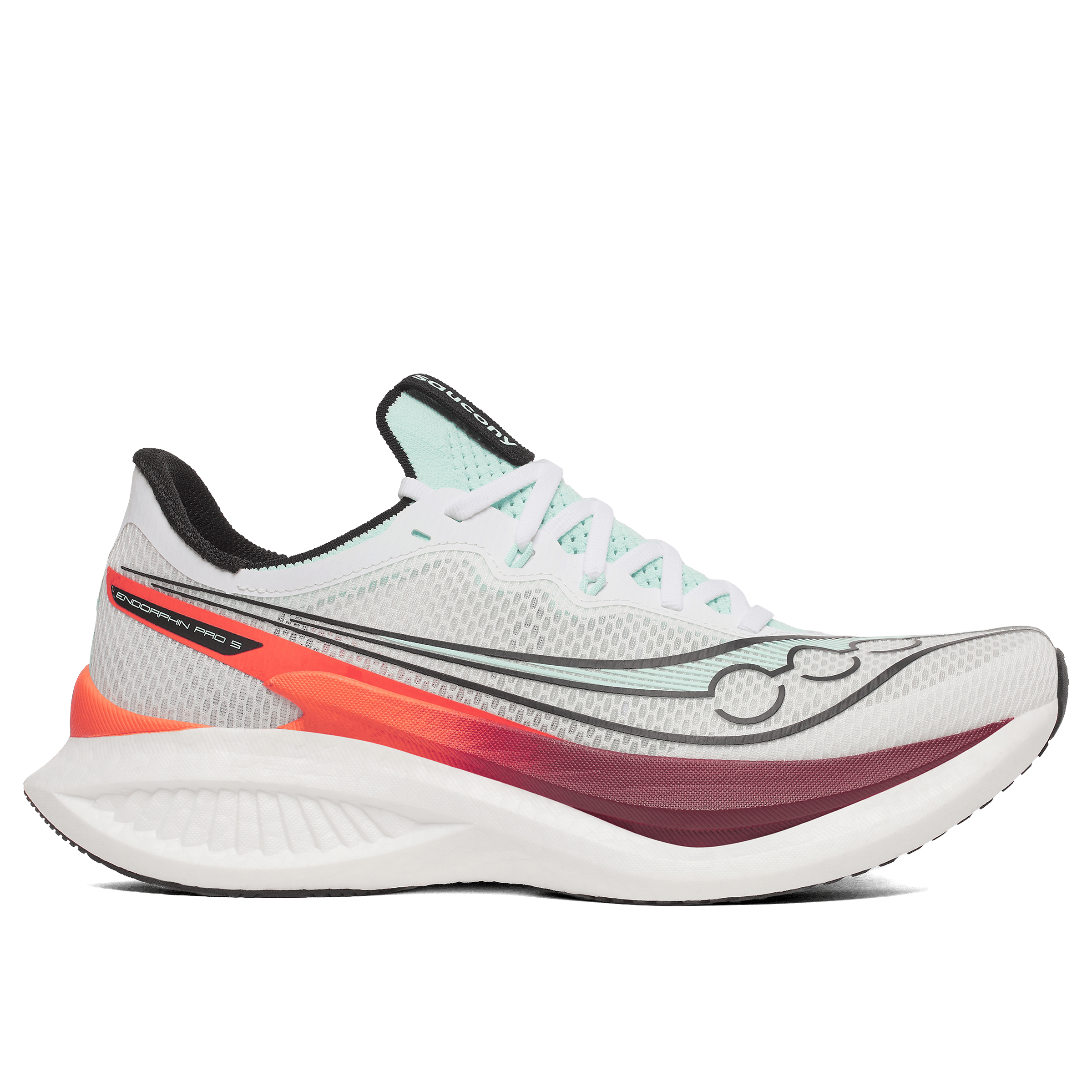
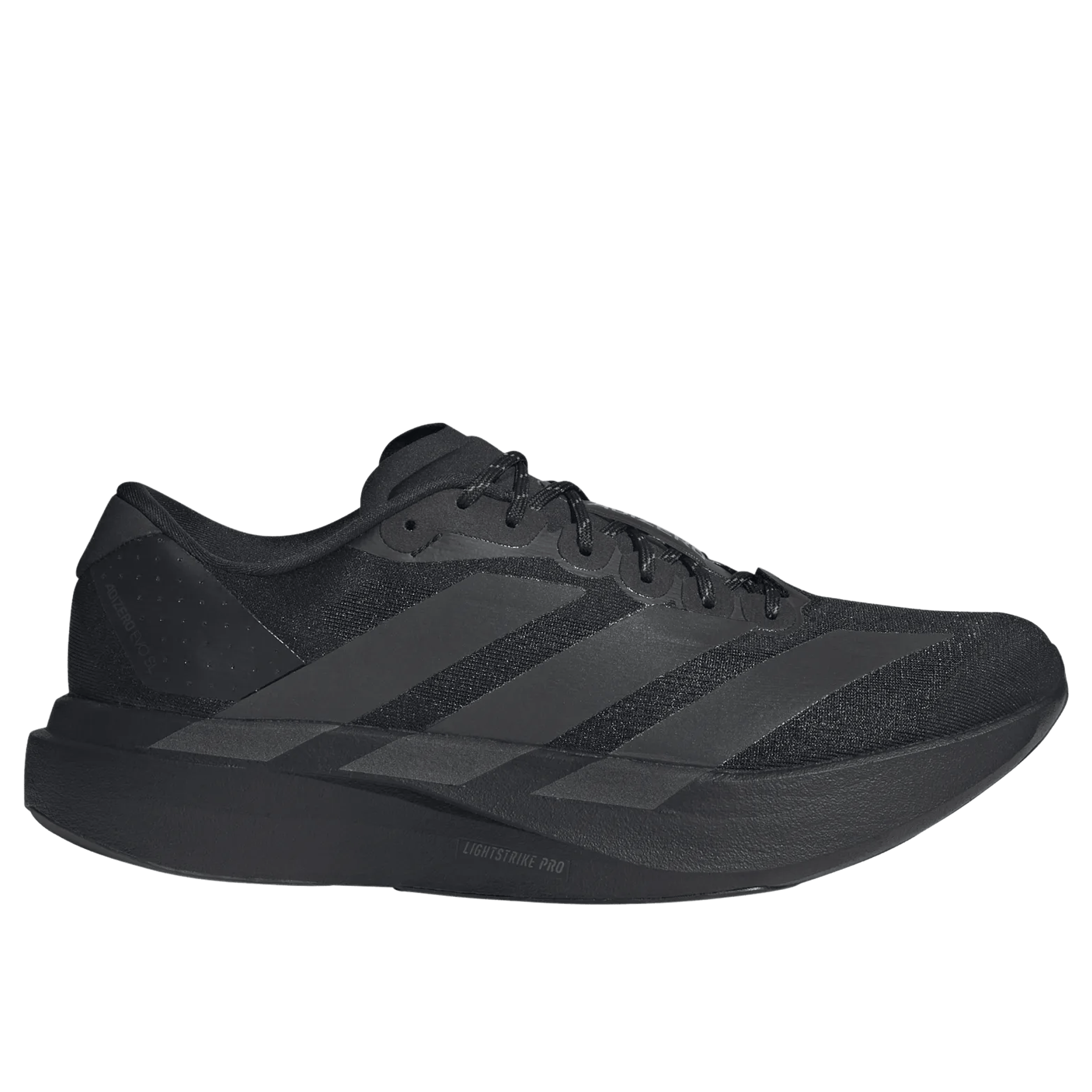
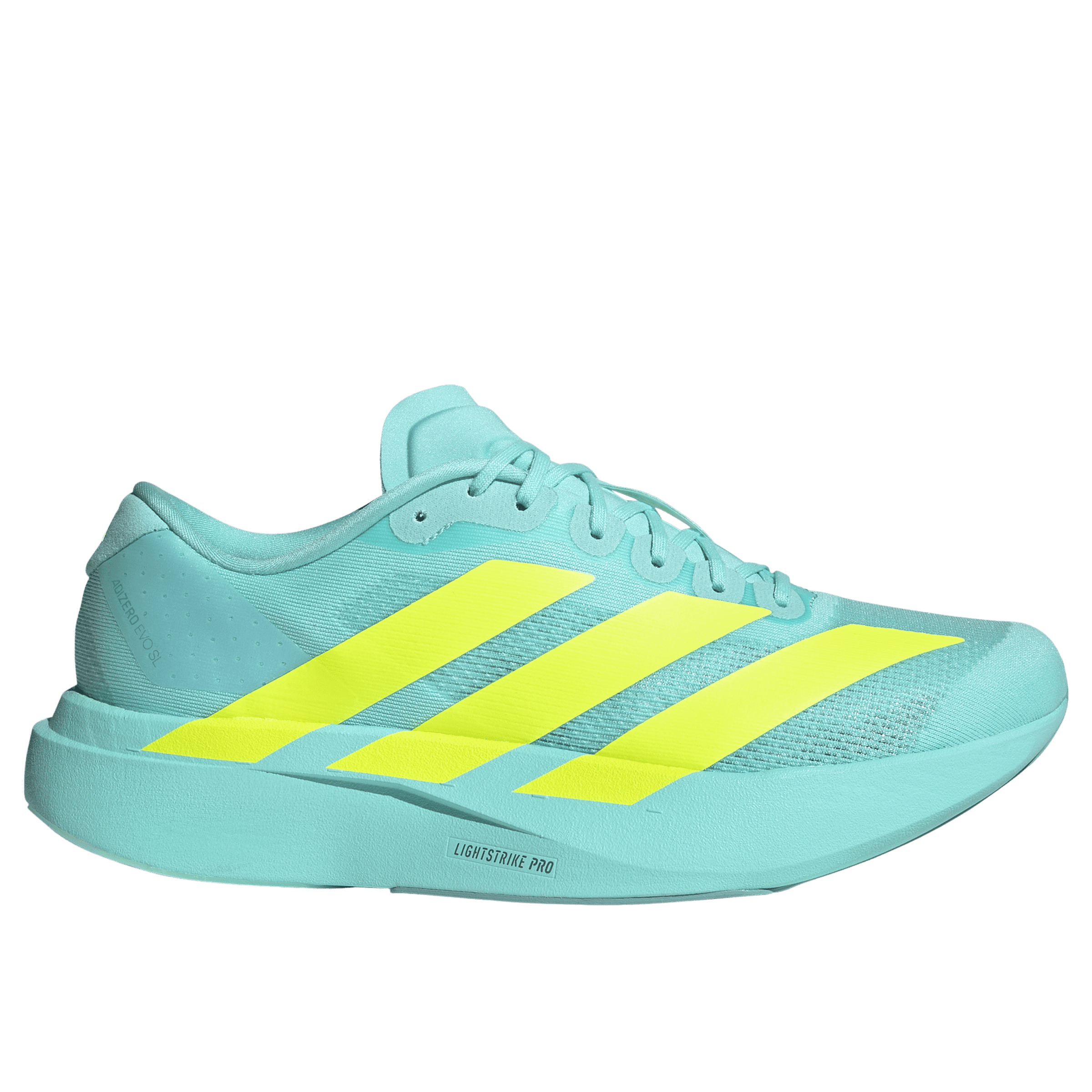
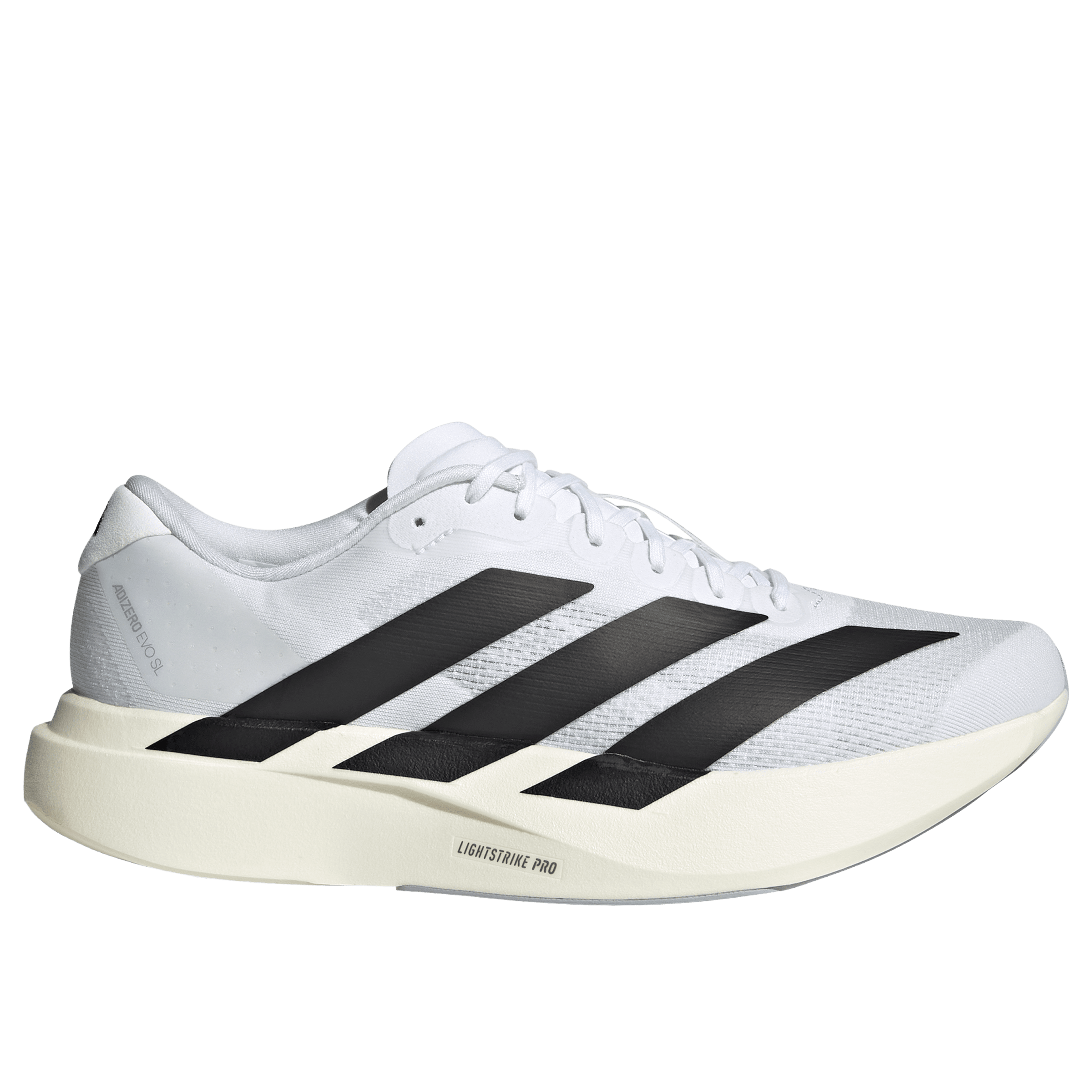
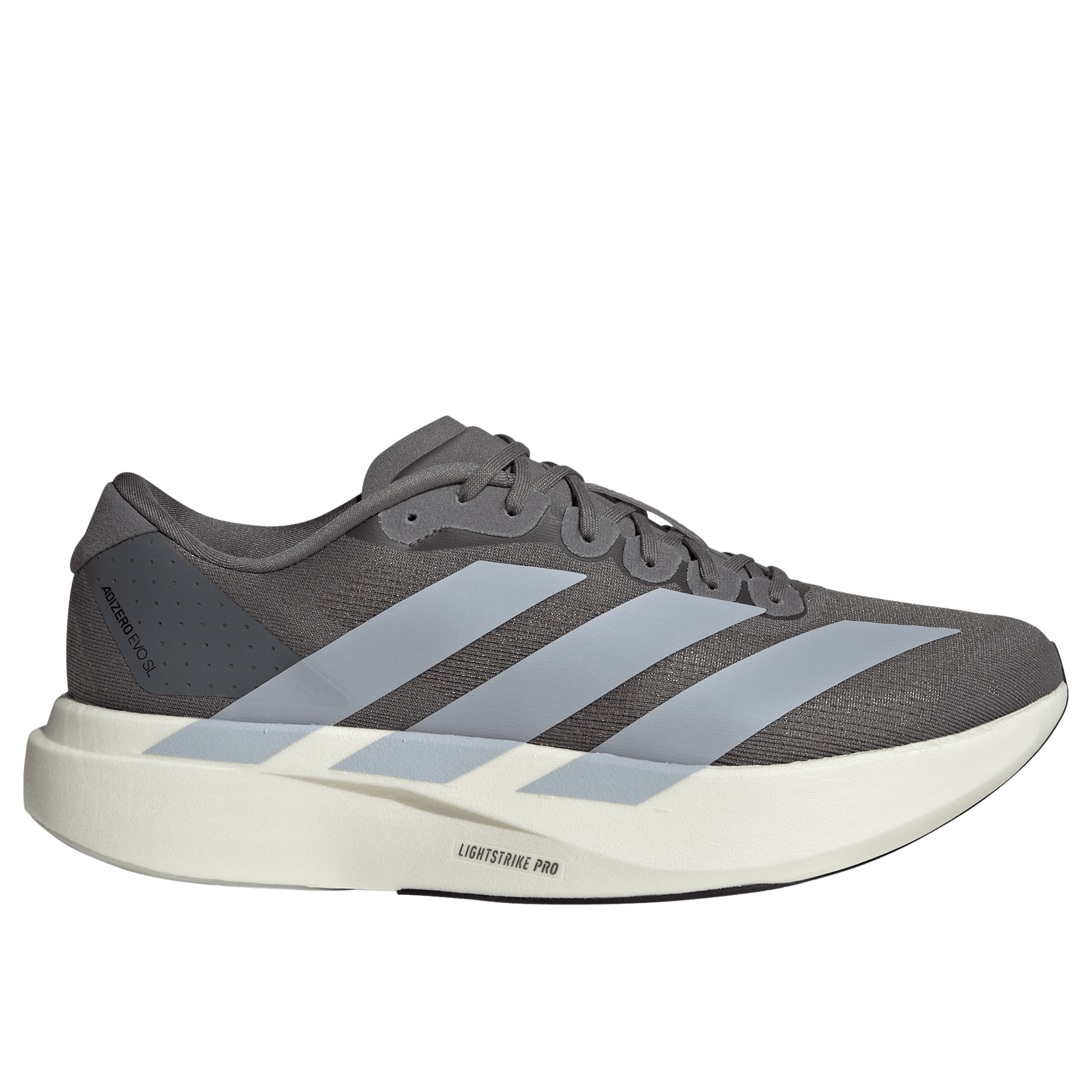

Running clothing basics
While shoes are critical, your clothing also plays a huge role in your comfort. Here’s our tips:
Avoid cotton: Cotton has the tendency to absorb sweat, holding the garments against your skin. In the summer, this can make you hot and heavy; in the winter, it makes you freezing cold. Furthermore, wet cotton is one of the causes of chafing. Instead, look for moisture wicking synthetic fabrics (like polyester or nylon). These materials pull sweat away from your body so it can evaporate.
Dress for the weather: A common beginner mistake is overdressing. When you run, your body temperature will rise about 3 degrees C. Layers are your best friend. In cold weather, wear a moisture-wicking base layer, an insulating middle layer, and a windproof outer shell that you can easily remove if you get too warm.
Supportive Undergarments For women, a high-quality, high-impact sports bra is non-negotiable. It prevents discomfort and tissue damage. For men, compression shorts or running shorts with built-in liners help prevent inner thigh chafing.
The Power of the Run-Walk Method
The biggest mistake new runners make is trying to run too fast for too long on their very first day. This is where the run-walk method comes in to save the day. Run walk intervals involve breaking your workout into manageable segments of running interspersed with walking recovery breaks.
Why the Run-Walk Method Works
Physical preservation: Running places a massive load on your joints up to three times your body weight with every step. Walking breaks give your joints, muscles and tendons brief respites, significantly lowering your injury risk.
Heart rate control: It keeps your heart rate from skyrocketing. By taking walking breaks, you allow your breathing to normalise.
Mental manageability: You only have to focus on a few minutes at a time. Tackling a 30-minute run can seem daunting. However, tackling a 1-minute run followed by a 2-minute walk, repeated ten times, feels entirely doable.
Mastering your pace: the conversational pace rule
When you first begin the running portions of your run-walk intervals, your instinct will be to sprint. You will likely equate "running" with "going as fast as possible." Try to fight this urge. Pushing too fast is the single most common reason new runners quit.
The Golden Rule of Pacing: For all of your everyday runs, you should aim to move at a "conversational pace." This means you should be able to speak in full, complete sentences without gasping for air. If you can only get out one or two words before needing to take a sharp breath, you are going too fast. If you find that your conversational running pace is basically a shuffle, that is completely fine. Embrace the shuffle. Speed will naturally develop over a few months as your aerobic fitness improves. For now, prioritise endurance over speed.
Form and Technique: Running Tall and Light
You might think that running is simply a faster version of walking and therefore requires no special technique. However, paying attention to your running form can vastly improve your efficiency and keep you injury-free.
Posture: run tall Imagine a string attached to the top of your head, pulling you gently upward. You want to run tall, with your chest open and your shoulders relaxed. Avoid slouching forward at the waist or hunching your shoulders up to your ears, which restricts your breathing and causes upper back tension.
Arm swing: keep it efficient Your arms should be bent at roughly a 90-degree angle. Swing them forward and backward, not across your body. Imagine brushing your thumbs lightly against your waistband as your arms swing. If your arms cross your chest, you are twisting your torso, which wastes energy. Keep your hands relaxed; imagine you are loosely holding a potato chip that you don't want to crush.
Foot strike and stride length: Many new runners make the mistake of overstriding reaching too far forward with their dominant leg. This causes the heel to crash forcefully into the ground ahead of the body's centre of gravity, acting as a braking mechanism and sending a massive shockwave up the leg.
Instead, focus on taking short, quick steps. Your foot should land directly underneath your hips with a slightly bent knee. Whether you land on your heel, midfoot, or forefoot naturally is less important than making sure you are not overstriding. Focus on a high cadence (the number of steps you take per minute) and landing softly.
The Long Road Ahead
Learning how to start running is an exercise in patience. It requires you to respect the physical limits of your body and embrace a gradual progression. It is a journey that transforms you not just physically, but mentally. When you first begin, every minute of jogging might feel like a chore. You will hyper-focus on your breathing, your stride and the burning in your muscles. But if you stick to a structured plan, maintain a slow and conversational pace, and prioritise consistency over intensity, a shift may occur. The activity that once felt impossibly hard will begin to feel natural. You will stop counting down the minutes until you can stop, and you will start looking forward to the time you get to spend outside, moving your body. Running is a deeply personal endeavour. Your journey will not look exactly like anyone else's. Do not worry about how fast you are moving or how far you are going. Celebrate the simple fact that you have made the decision to start. Lace up your carefully selected running shoes, step out the door, take a deep breath, and take your very first step. You are a runner now.