
Grabbing the right hiking footwear can make a big difference to how comfortable and confident you feel on your trip to the summit.
But should you choose traditional hiking boots or lighter hiking shoes?
The answer will depend on where you're heading, the weather, how long you'll be walking and the level of support you prefer. Hiking boots provide more coverage and better ankle support, while hiking shoes offer a lighter, more flexible feel.
Here's a few things to think about before your next adventure.
Hiking Boots vs Hiking Shoes. What's the Difference?
The biggest difference between hiking boots and hiking shoes is their overall build and level of support.
Hiking boots extend higher around the ankle, providing some extra support and protection on uneven or dodgy terrain. Their more substantial build can also make them a good choice for longer hikes, wet conditions and carrying heavier loads.
The trade-off is weight and flexibility. Hiking boots can feel heavier and may require more time to get comfortable in, particularly if you're used to lightweight trail running shoes.
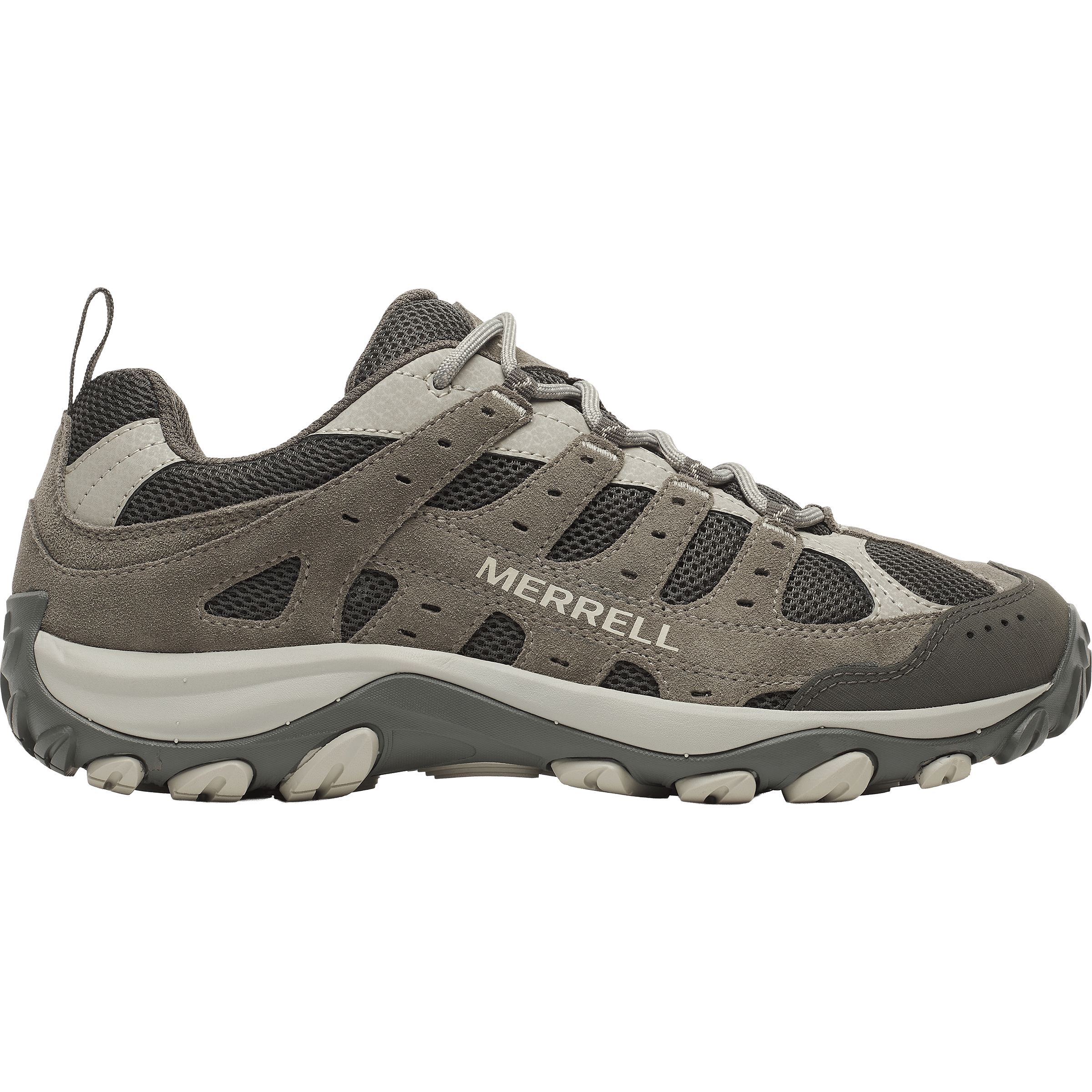
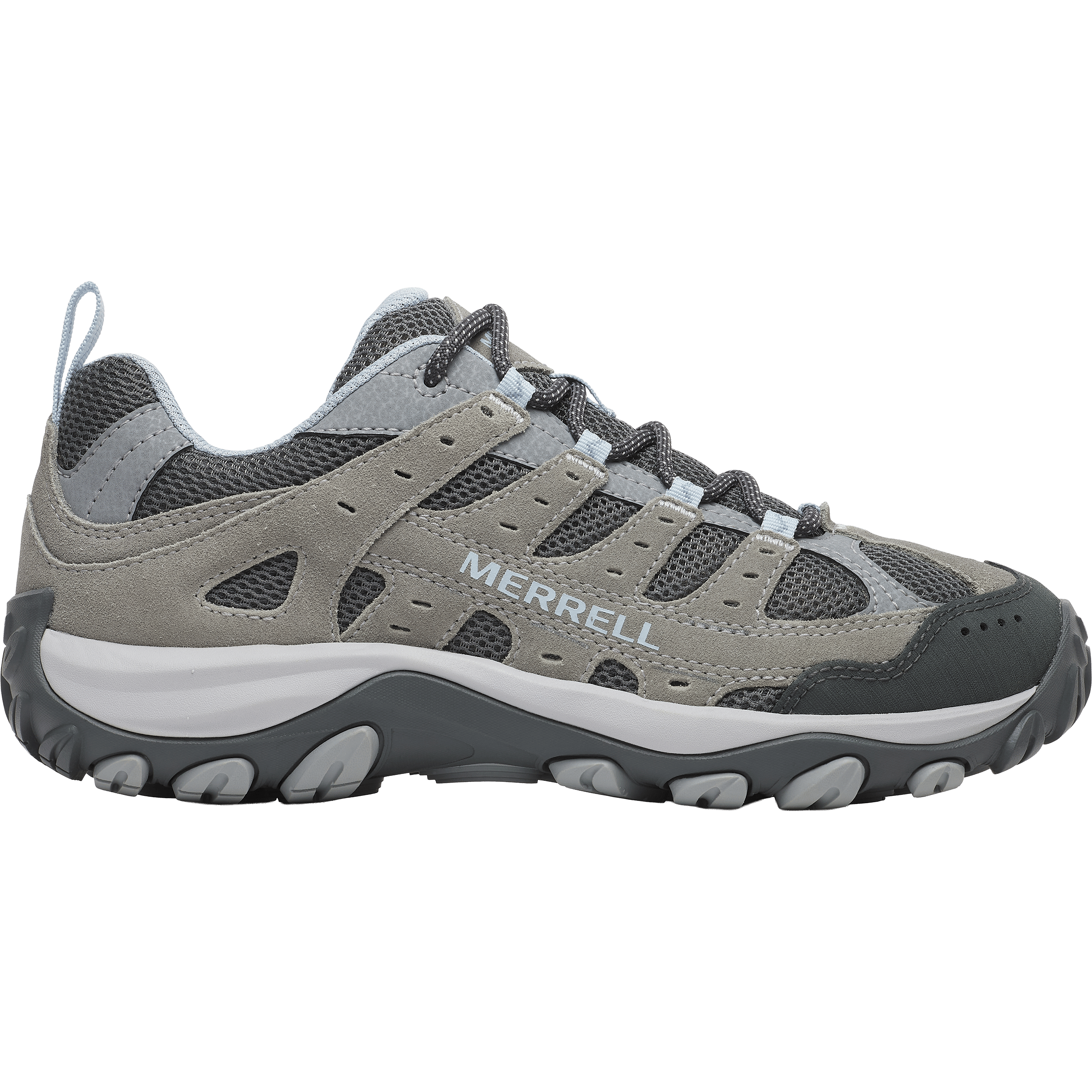
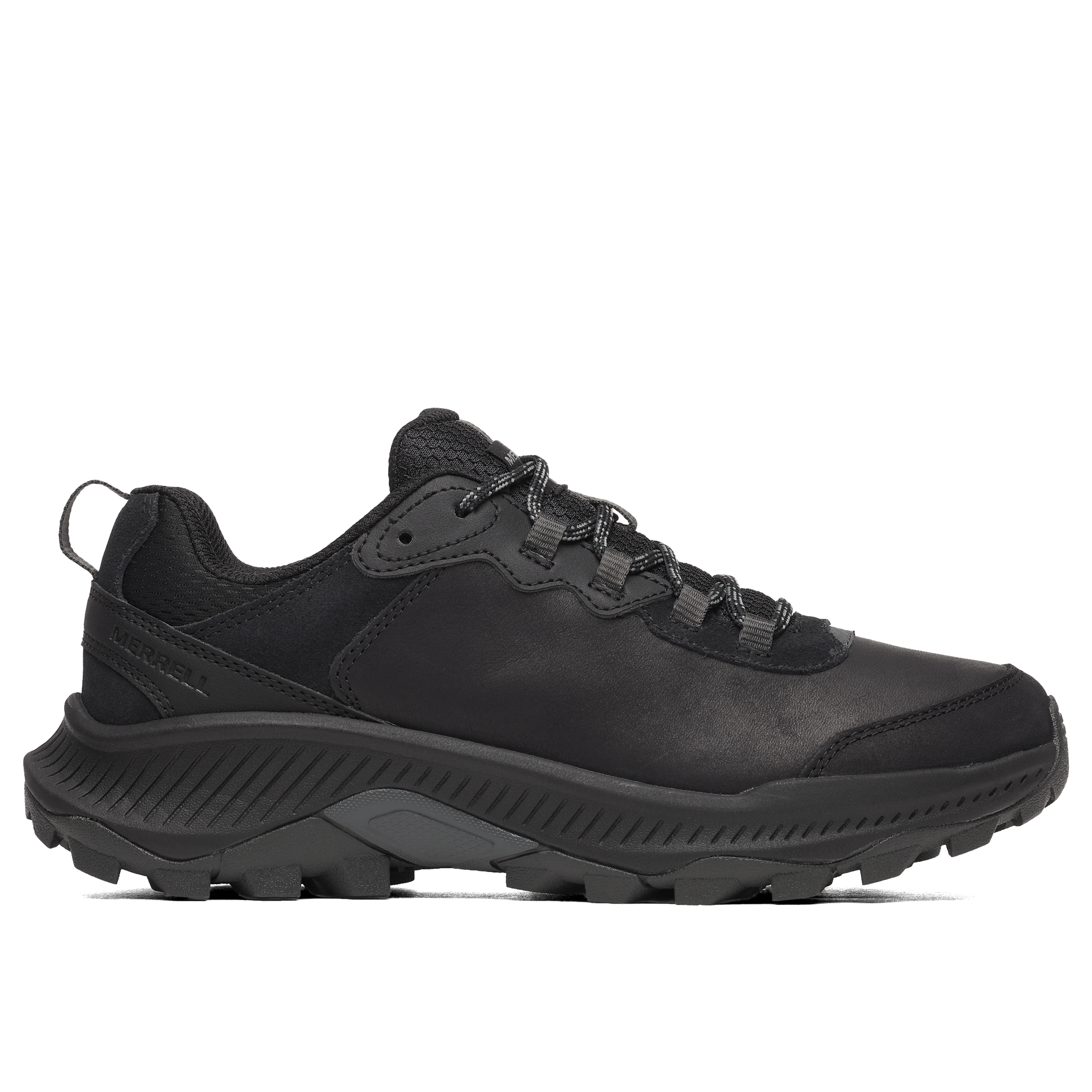
Hiking shoes sit lower around the ankle and feel lighter and more flexible. This can make them a better choice for day hikes, well–used trails and more casual adventures. However, the lower profile provides less ankle coverage, which may not suit hikers looking for extra support on rough terrain.
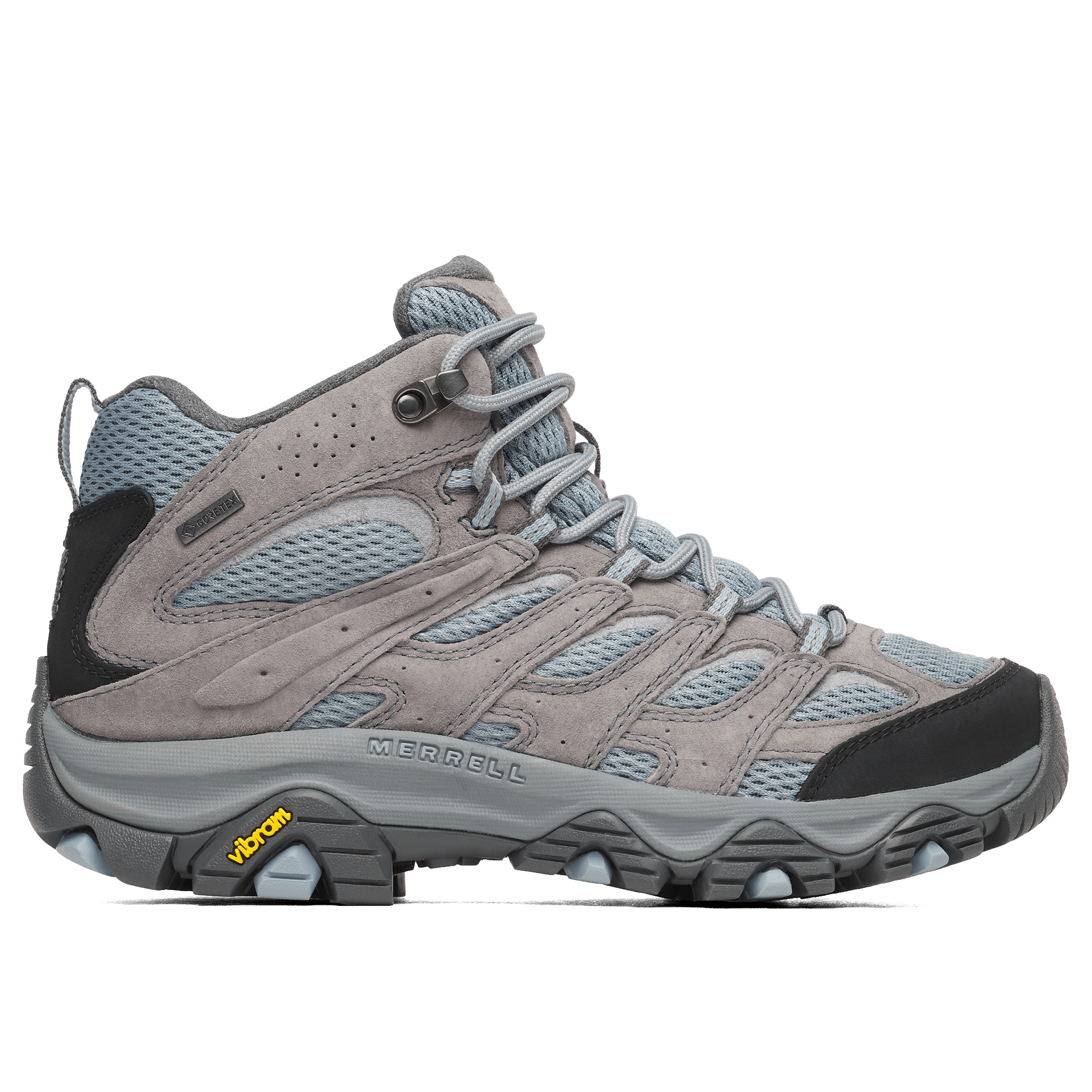
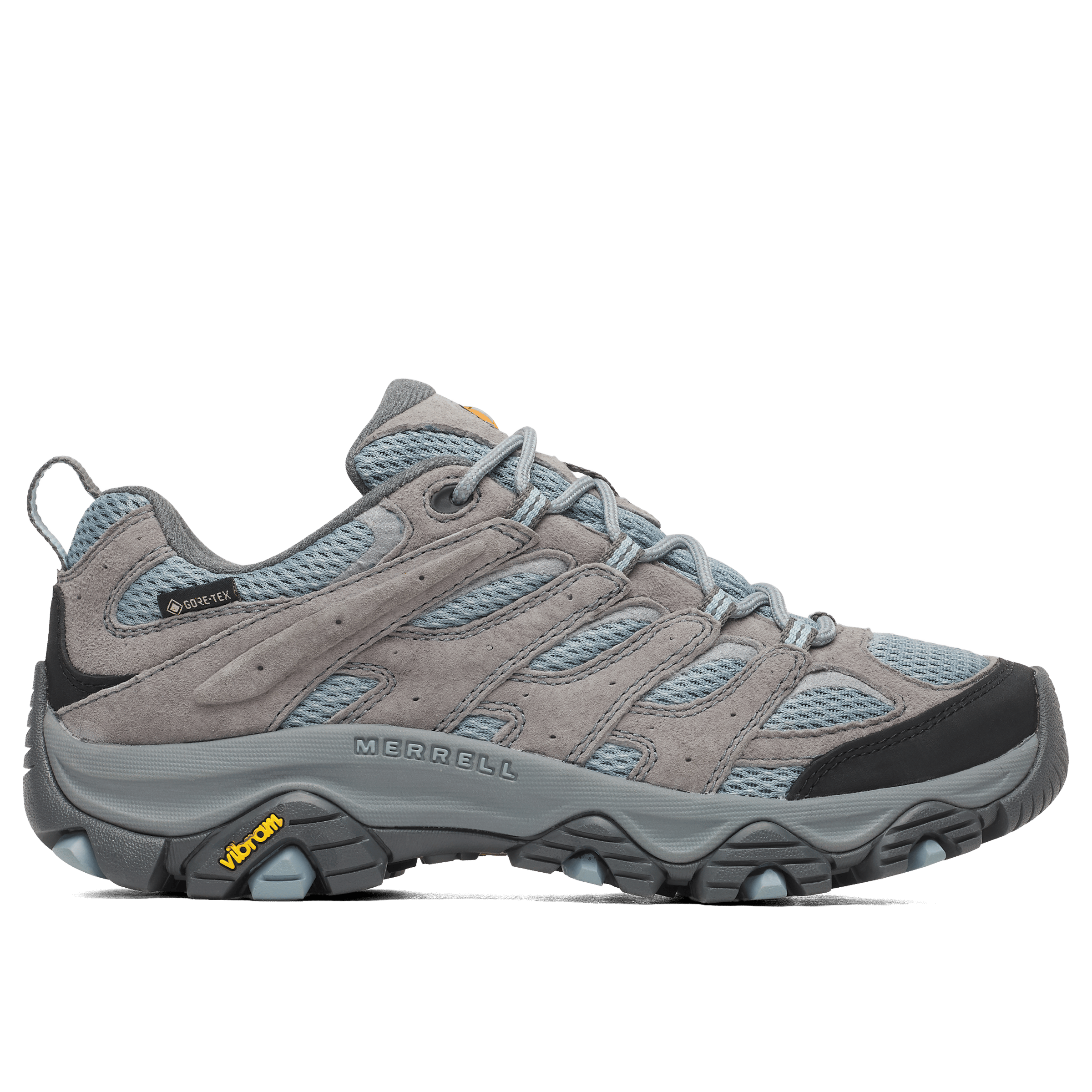
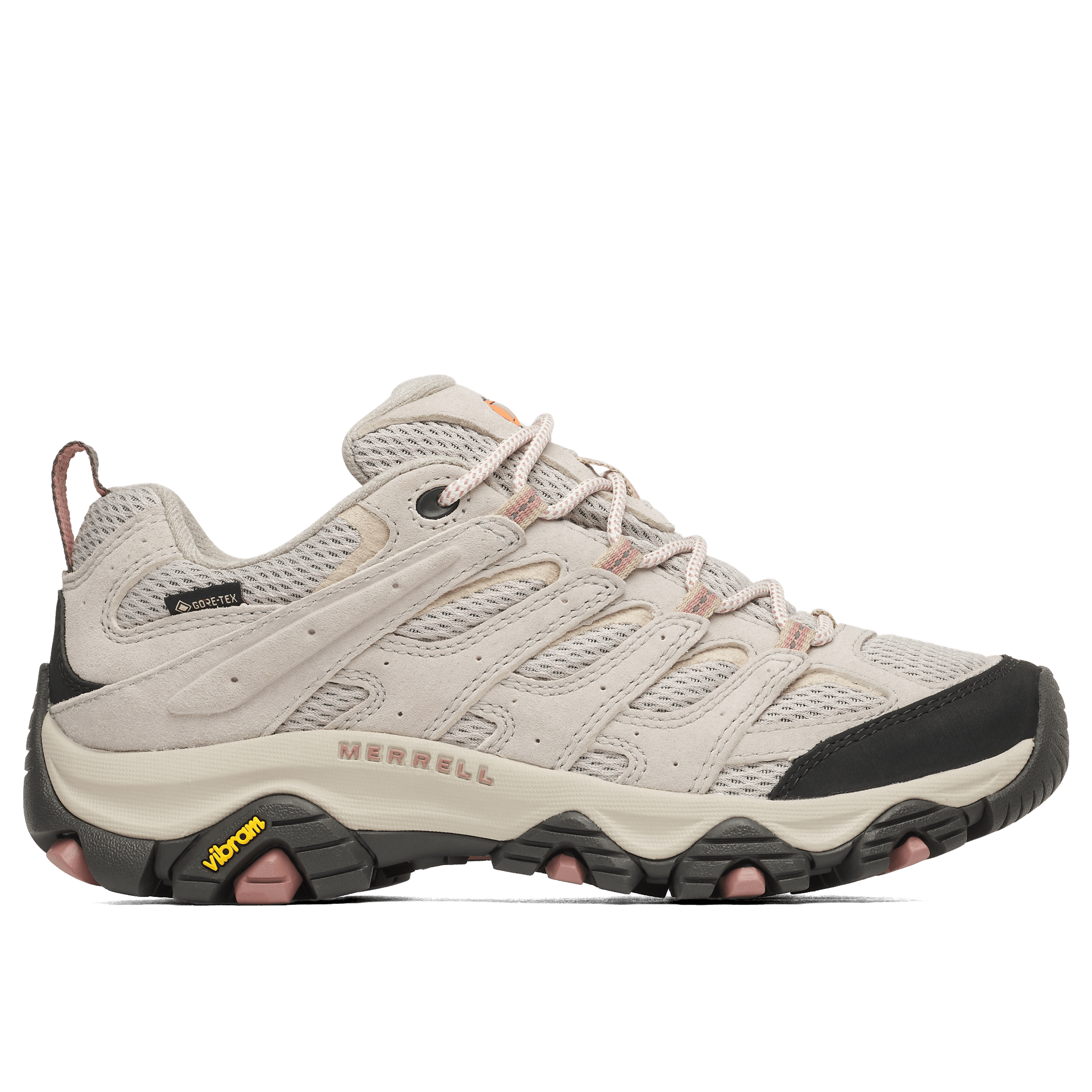
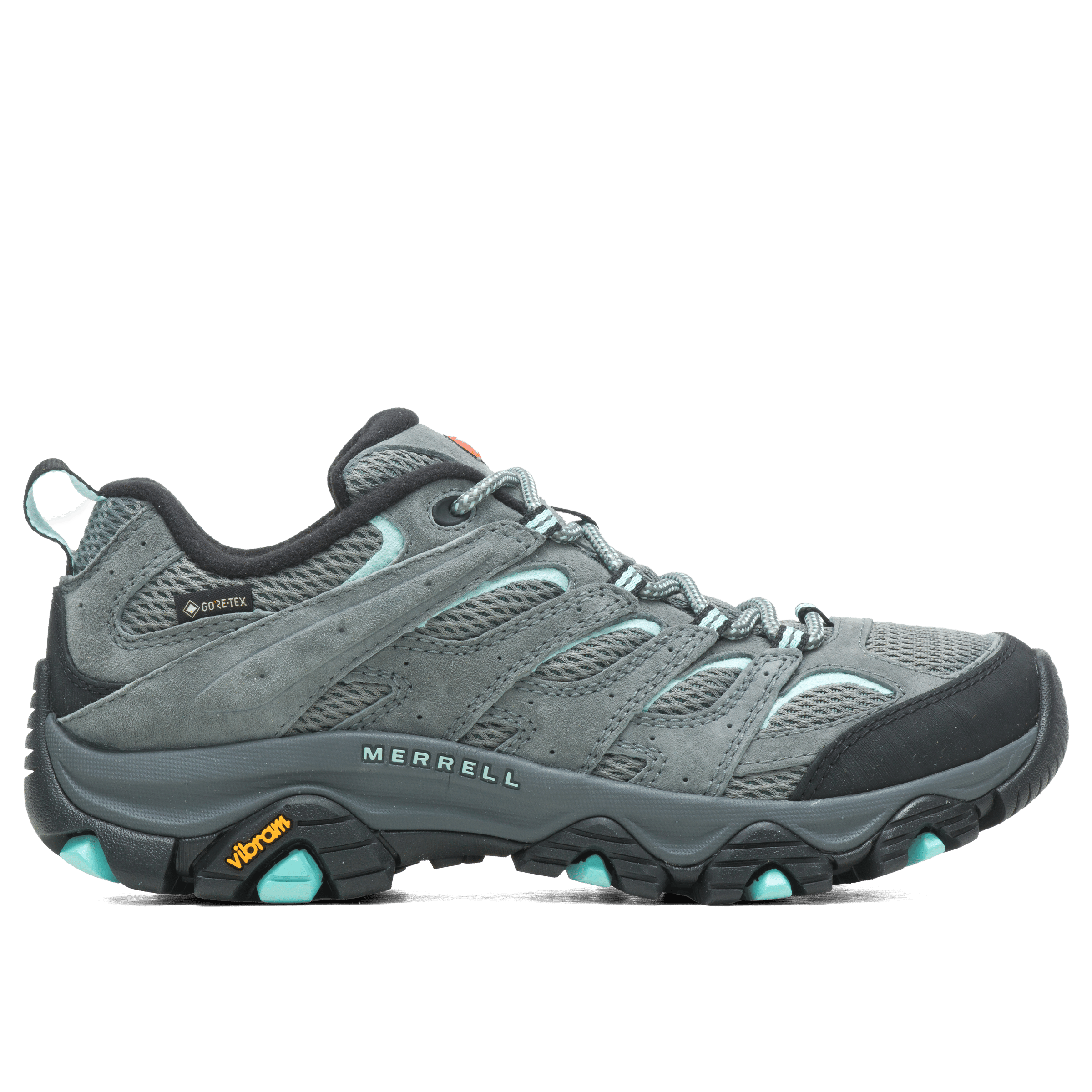
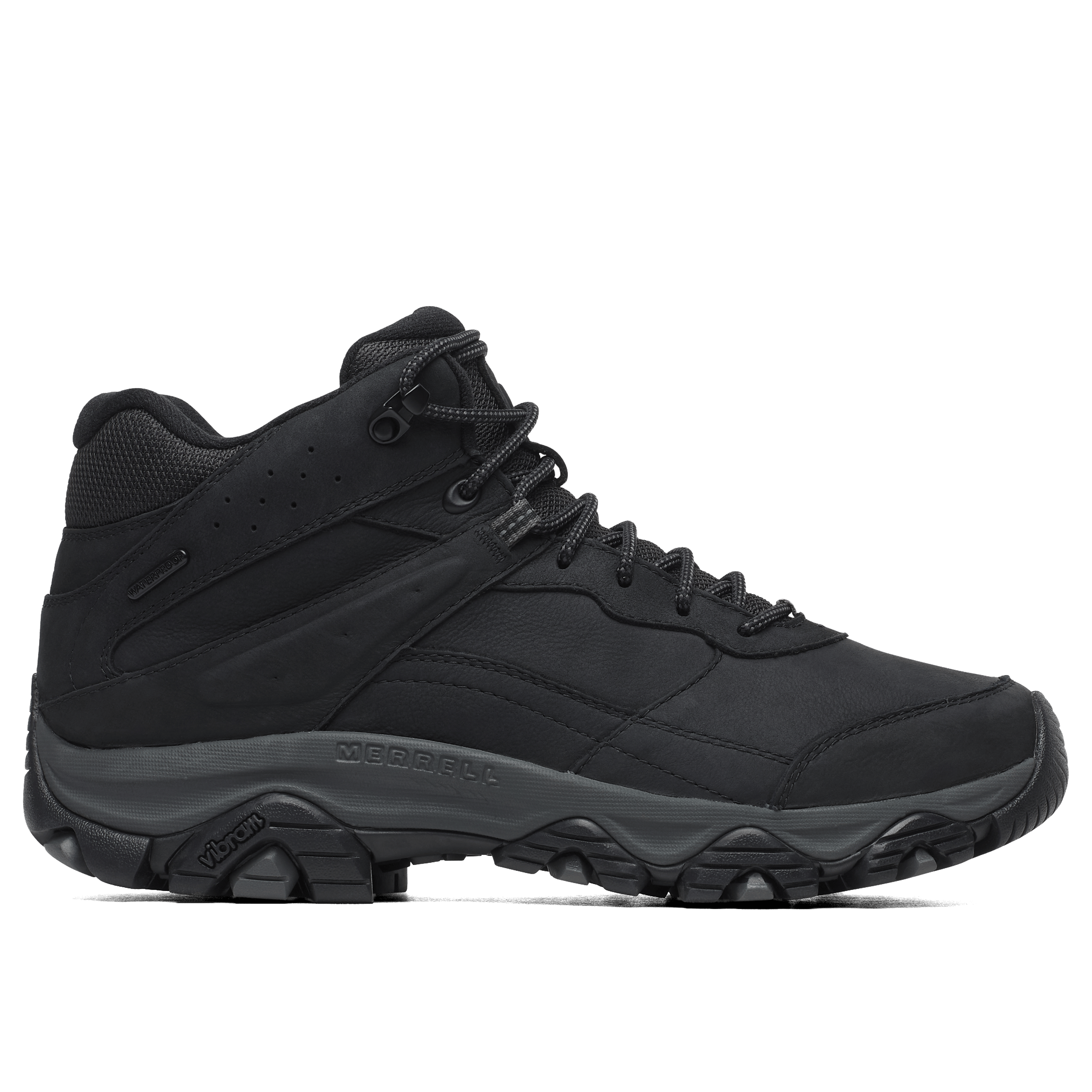
Merrell Moab 3 Mid Hiking Boots
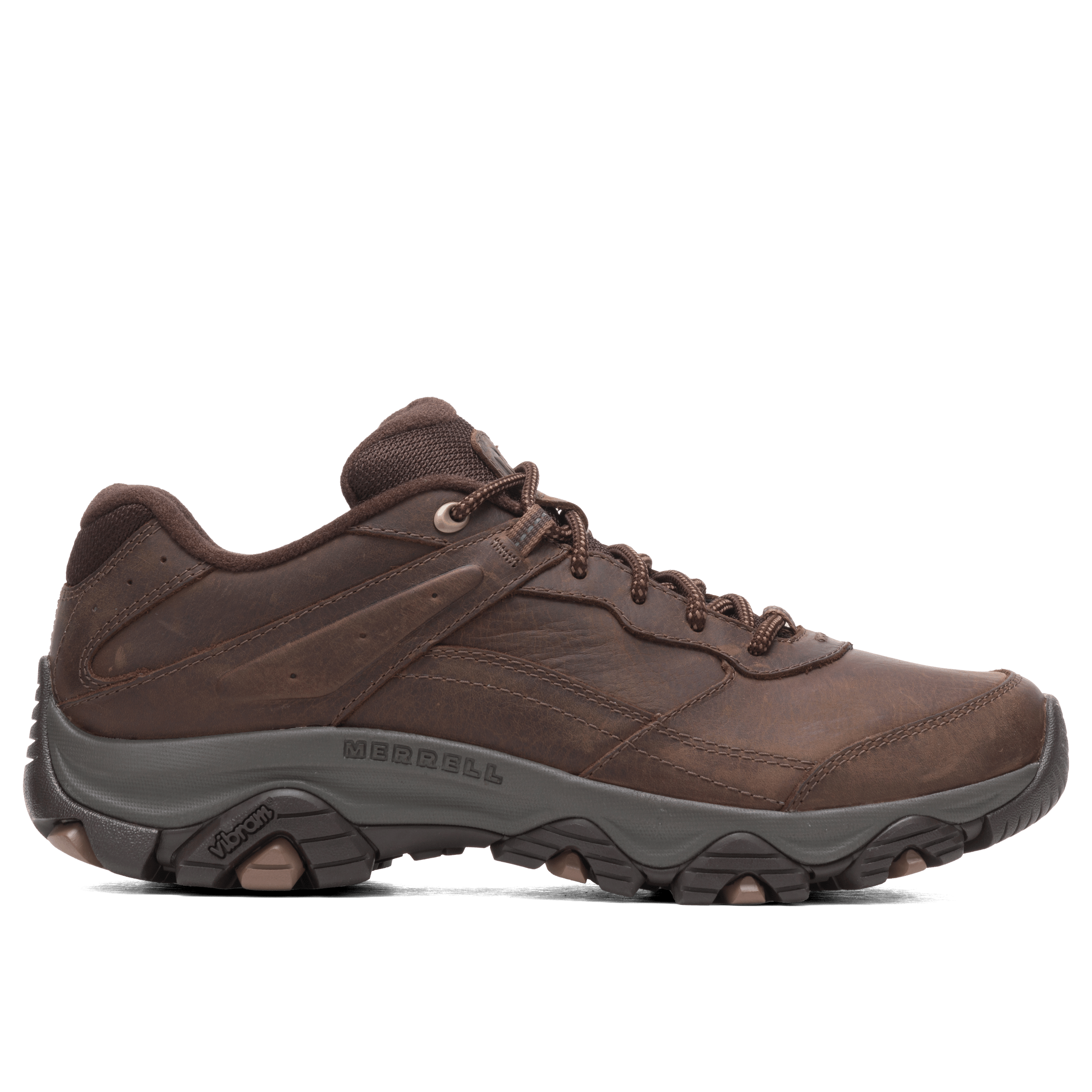
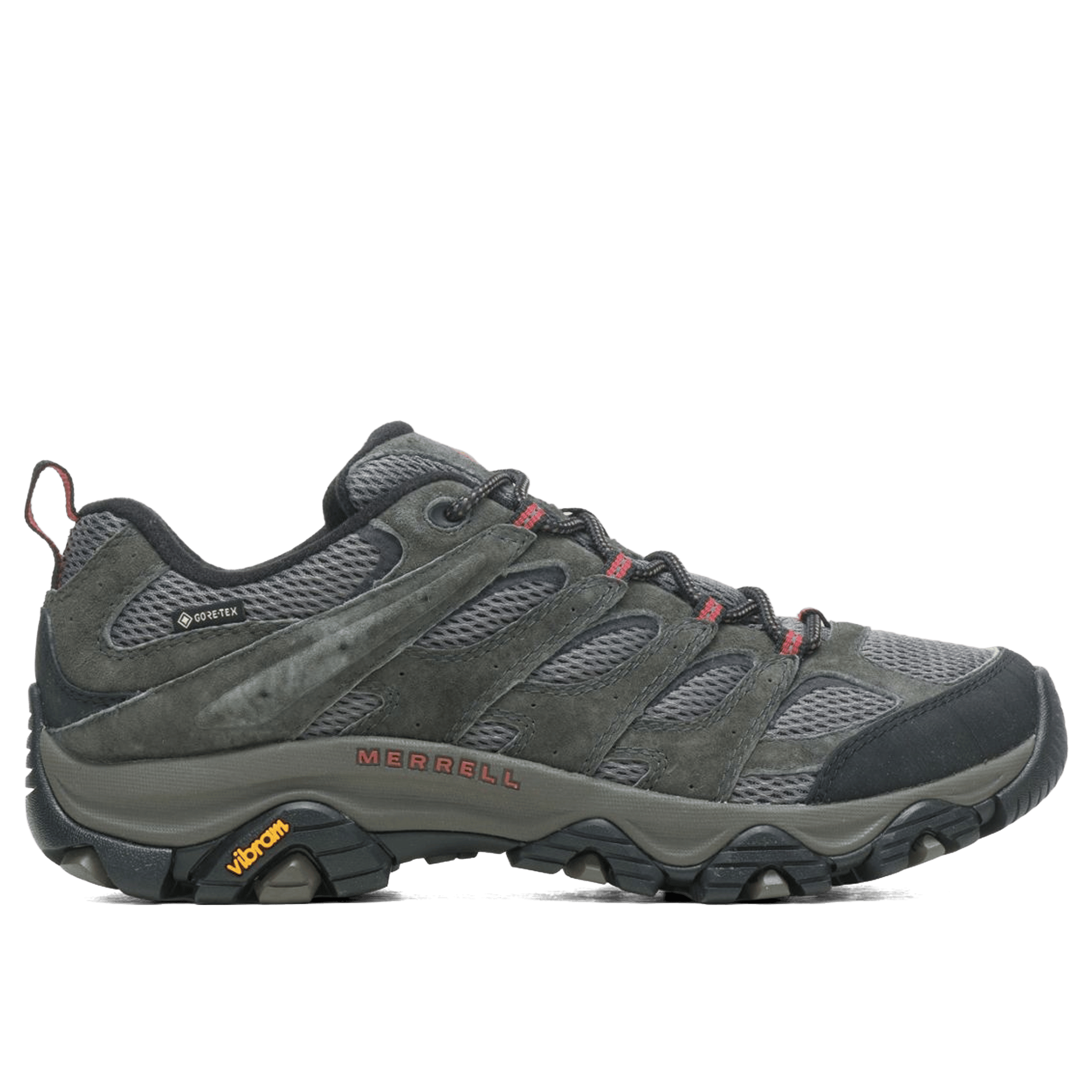
For tougher trails, the Merrell Moab 3 Mid GORE-TEX Hiking Boots are waterproof outdoor shoes with a supportive mid-cut design.
A GORE-TEX membrane helps keep water out while remaining breathable, making these Merrell hiking boots well suited for wet weather and muddy trails.
A Vibram outsole adds reliable traction, while an EVA foam midsole and Merrell Air Cushion in the heel add stability and comfort. A protective toe cap and bellows tongue provide extra protection from rocks, dirt and trail debris.
Best for: Longer hikes, wet conditions, uneven ground and hikers wanting more ankle support.
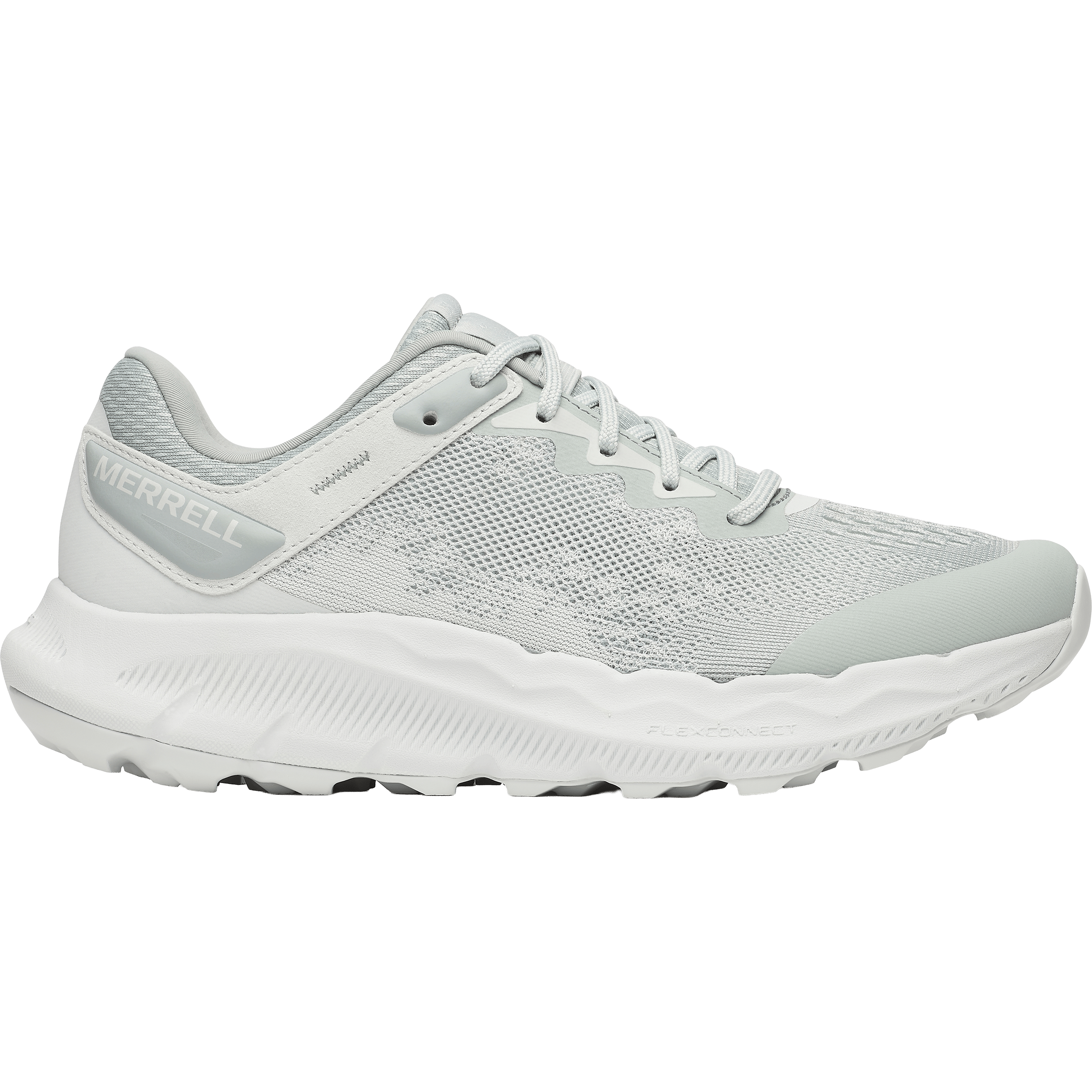
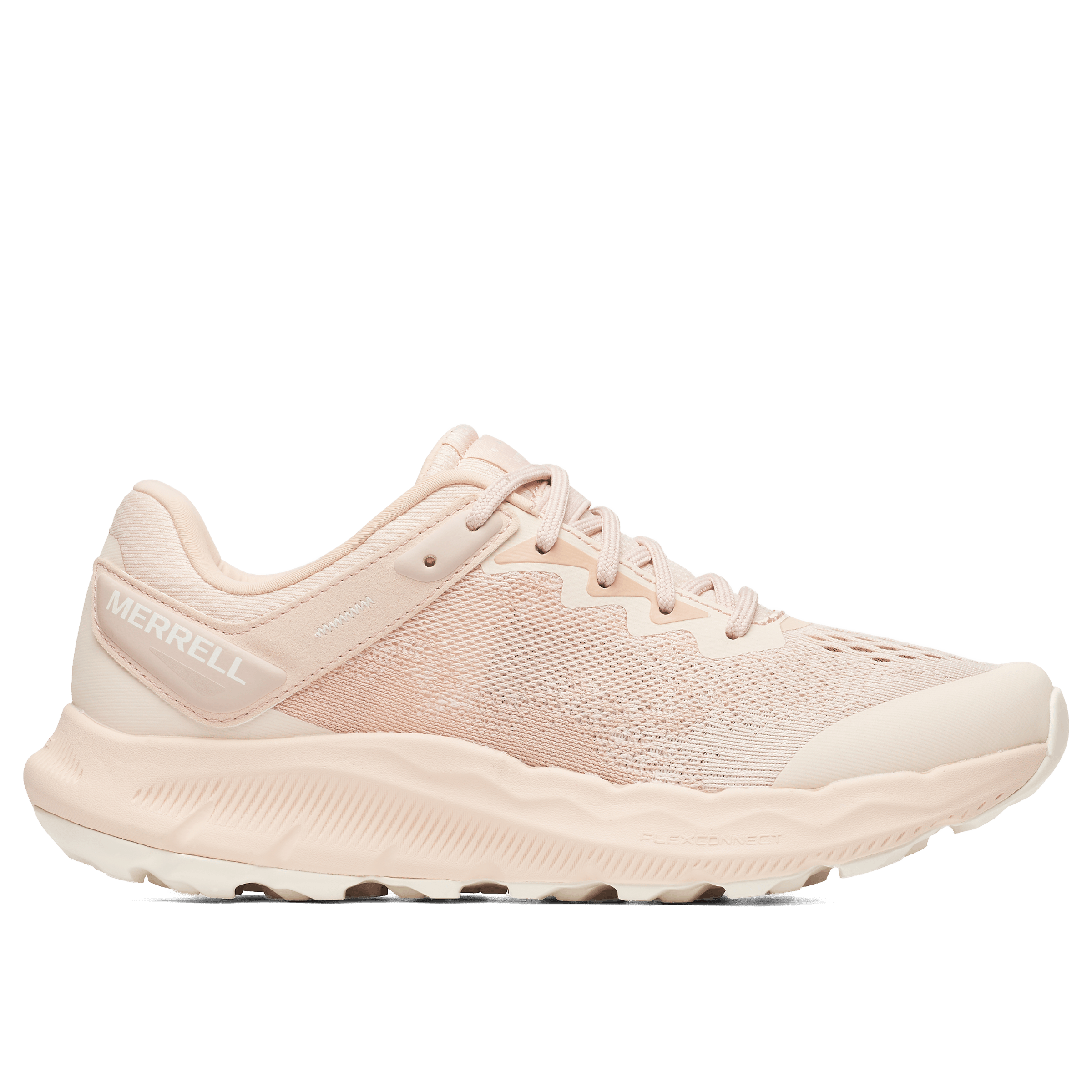
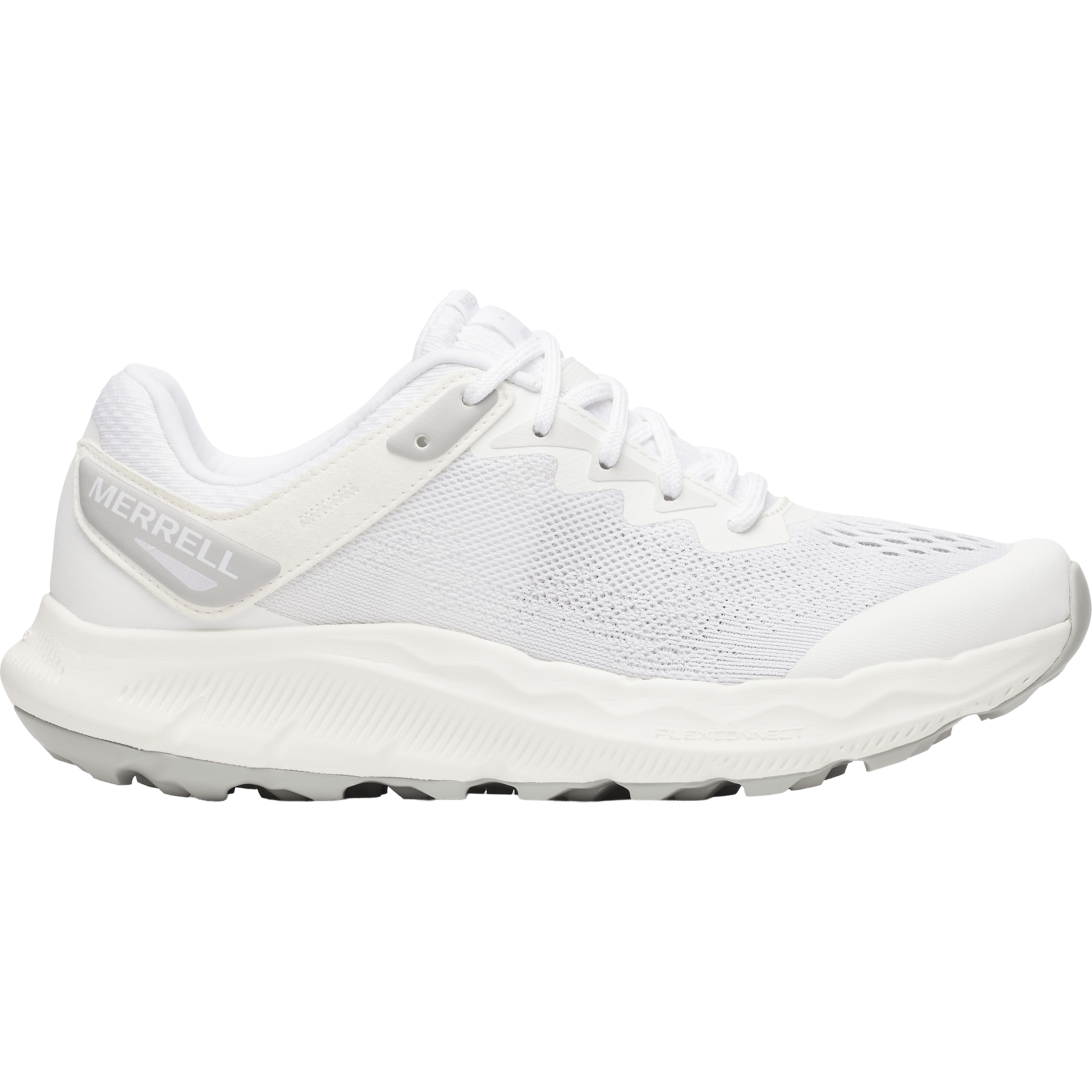
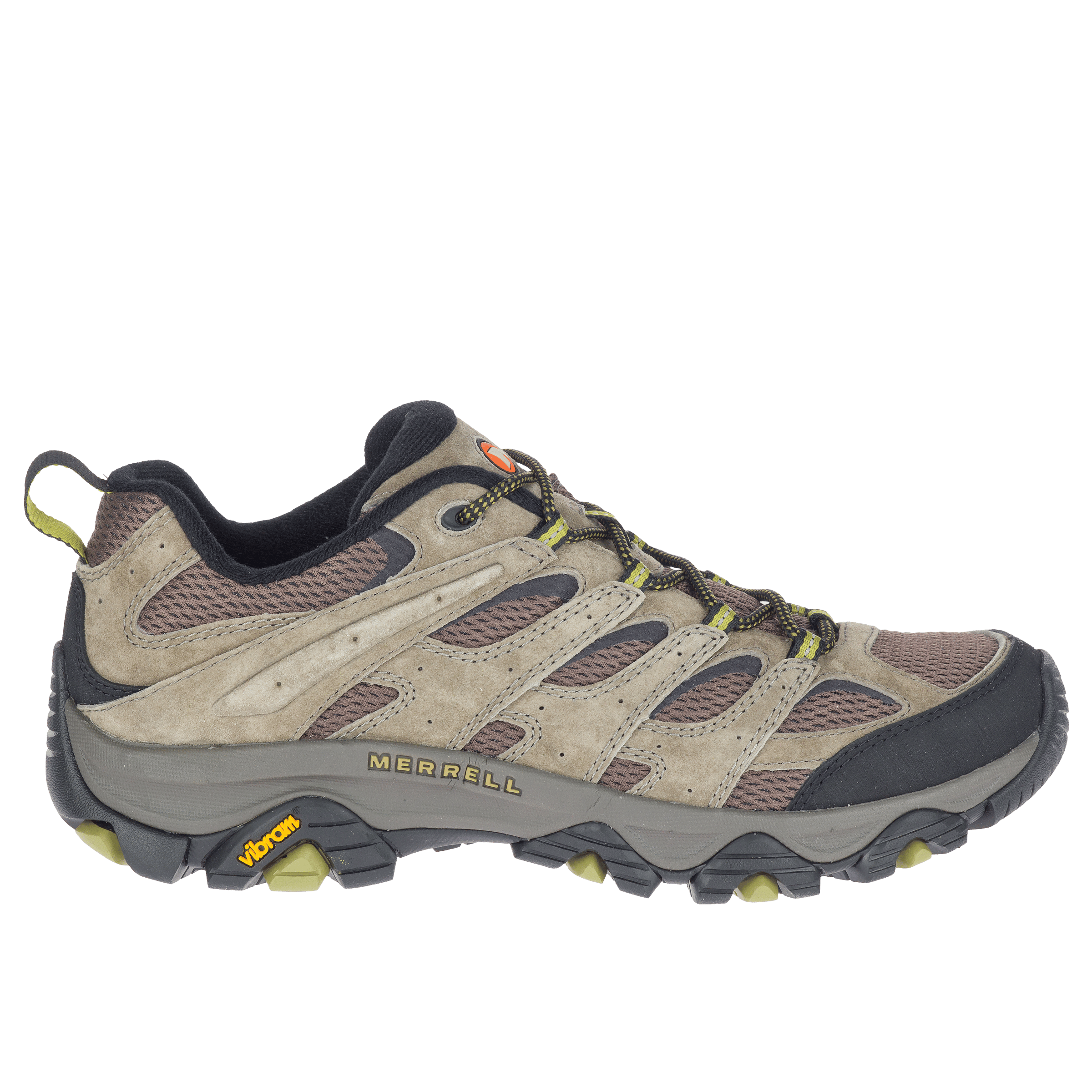
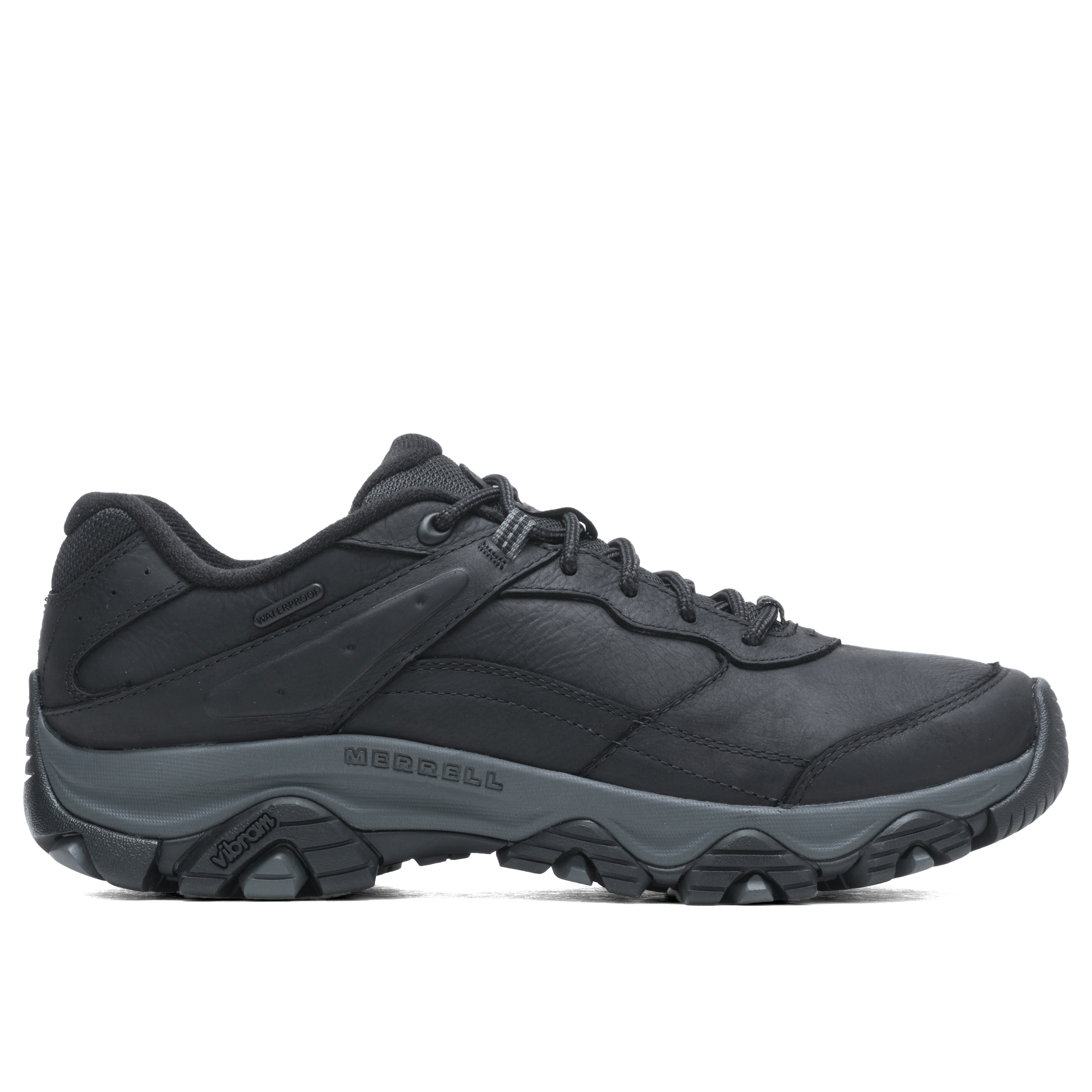
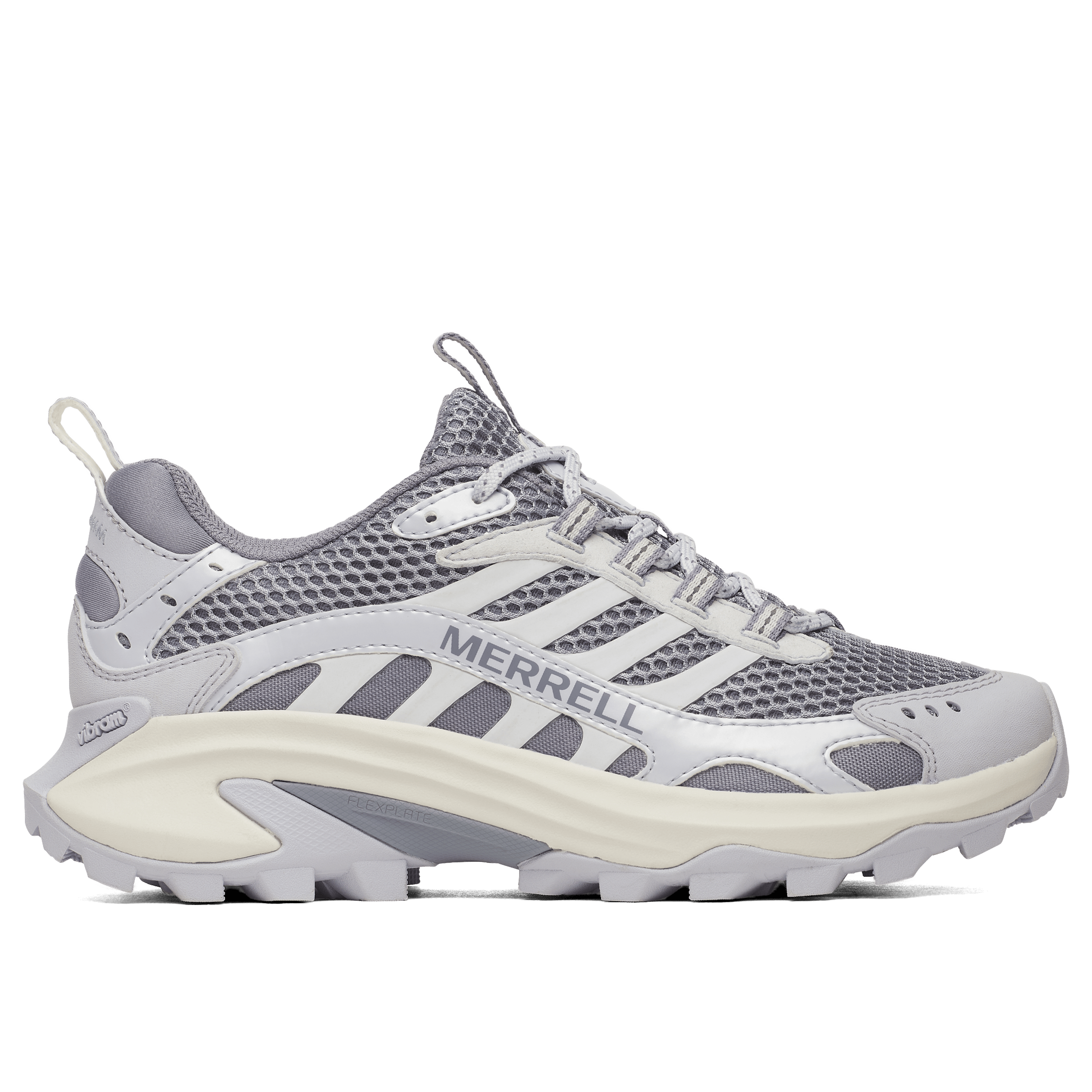
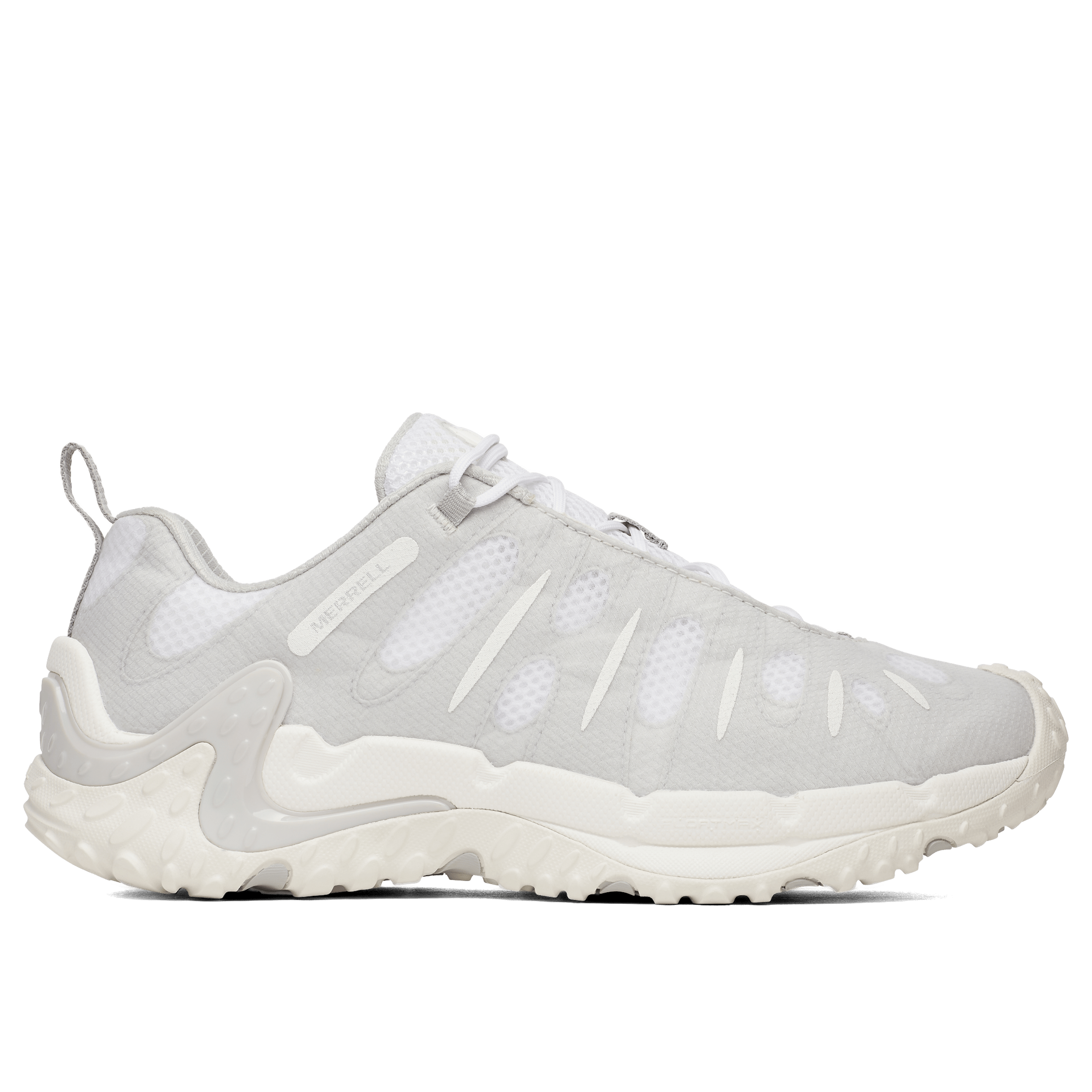
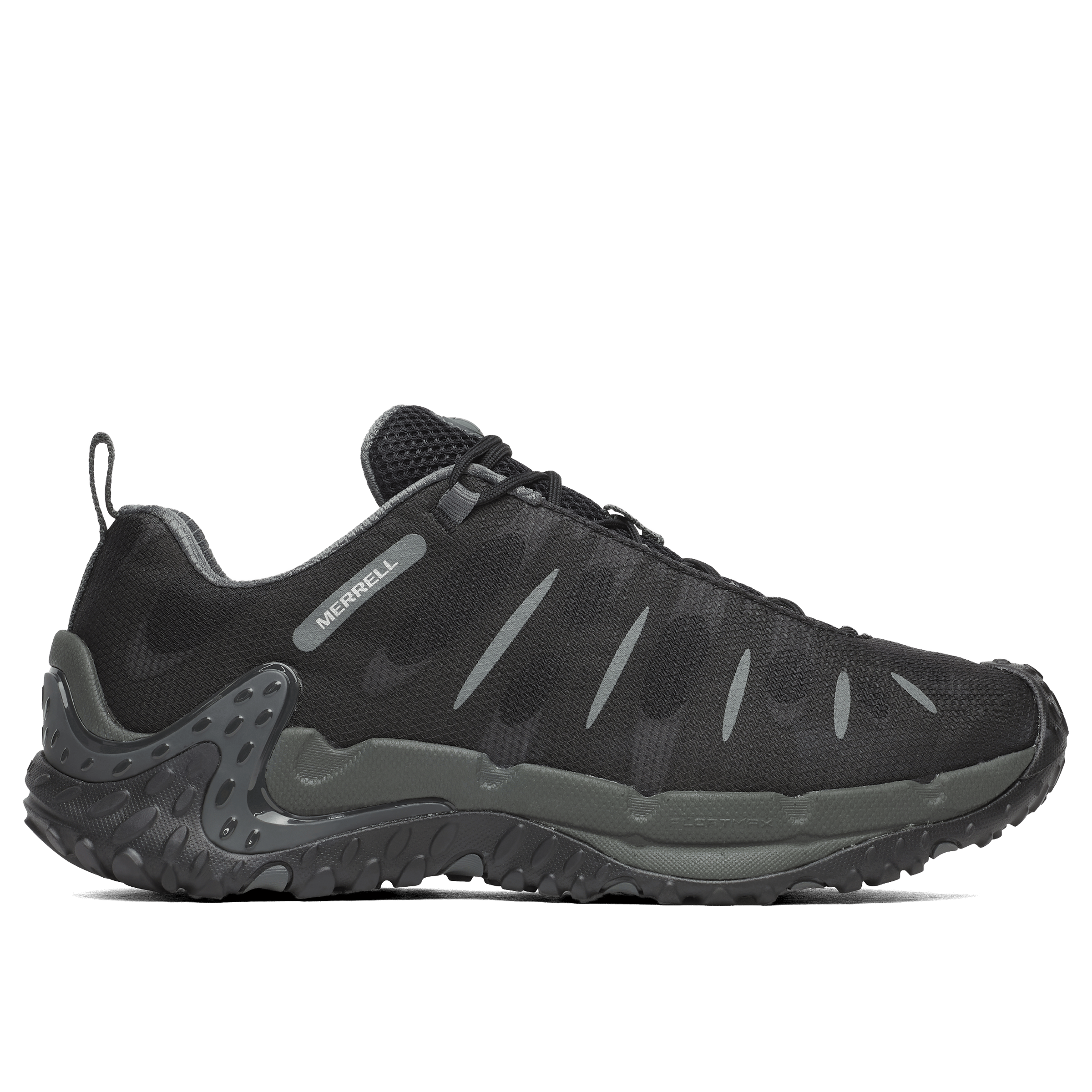
Karrimor Mount Waterproof Hiking Shoes
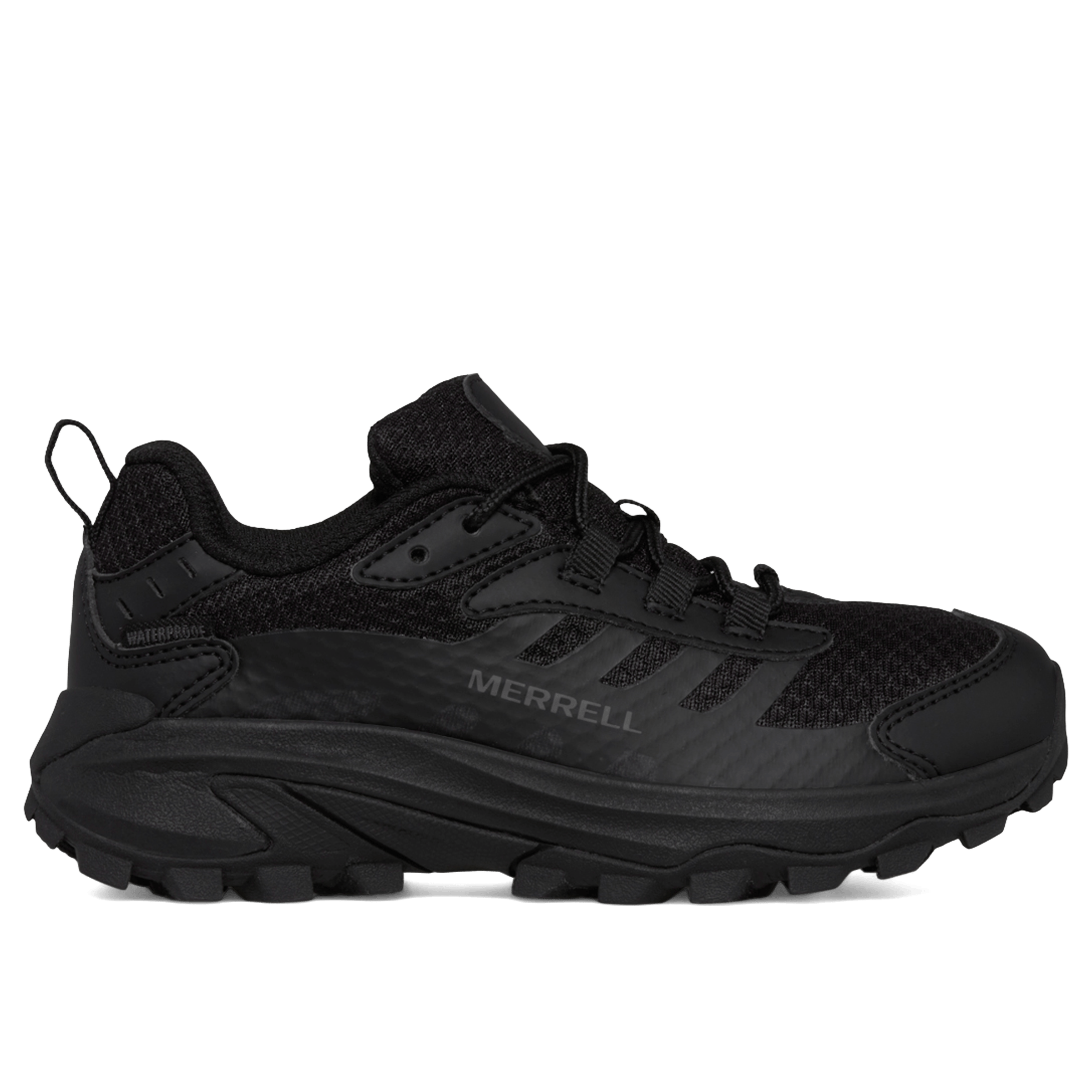
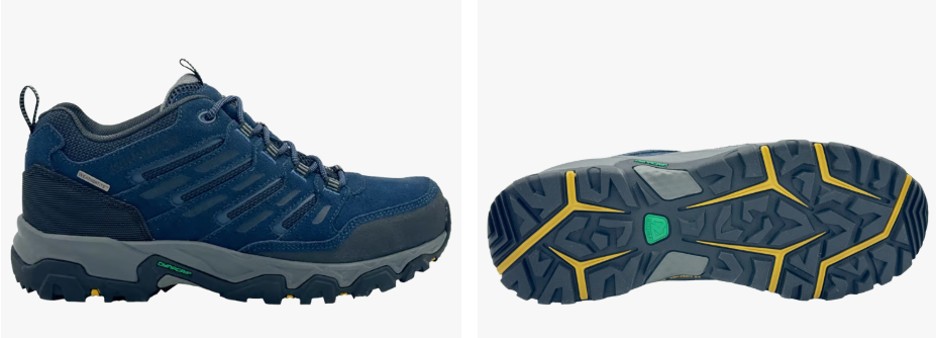
If you’re after something lighter, the Karrimor Mount Waterproof Hiking Shoes provide wet-weather protection in a low-cut design.
Their lightweight build makes it easier to move on the trails, while breathable mesh panels help maintain comfort as you walk. A durable rubber outsole adds traction and a reinforced toe provides extra protection. These Karrimor shoes are a practical option for hikers who want waterproof protection without moving into a heavier hiking boot.
Best for: Day hikes, often-used trails, lighter adventures and wet-weather walking.
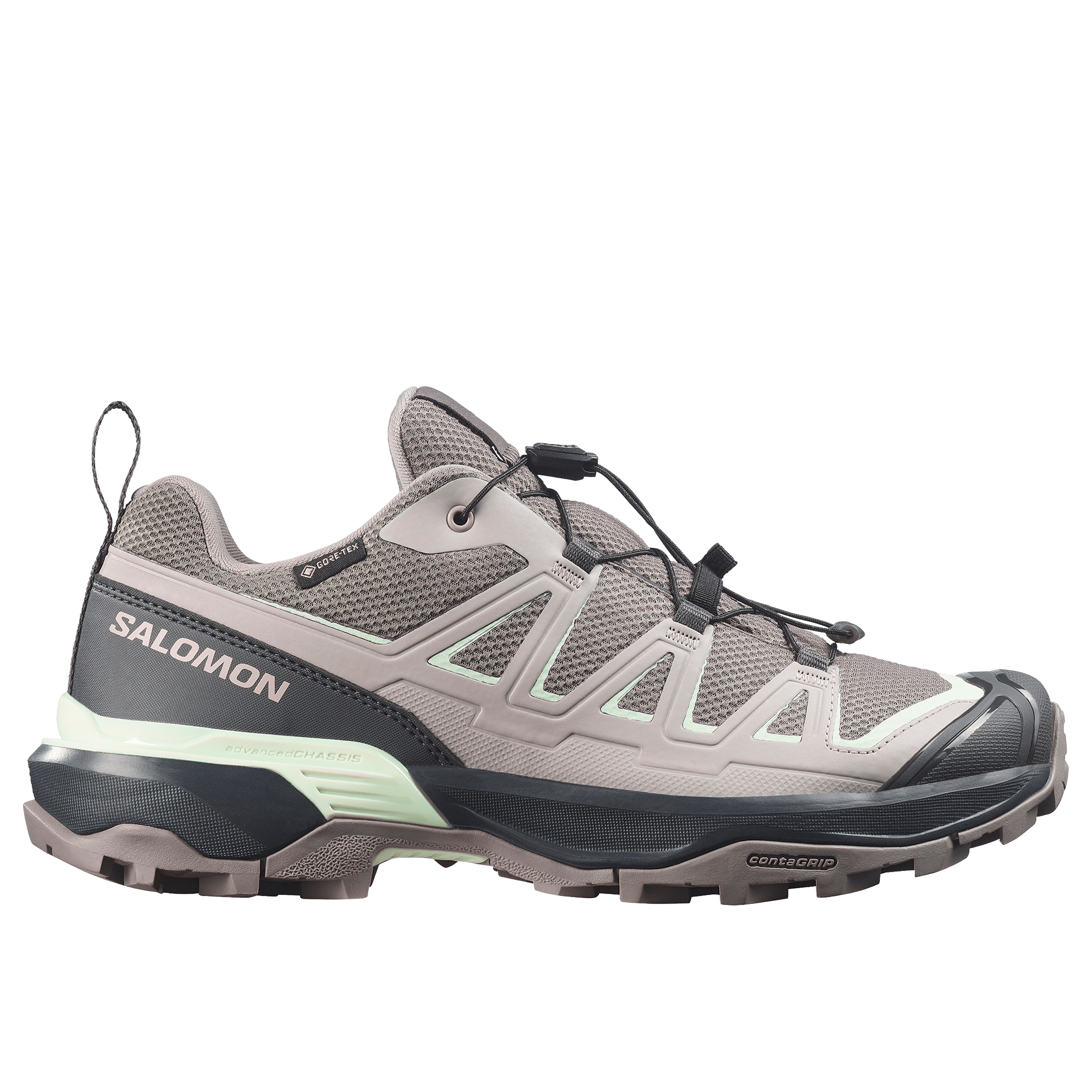
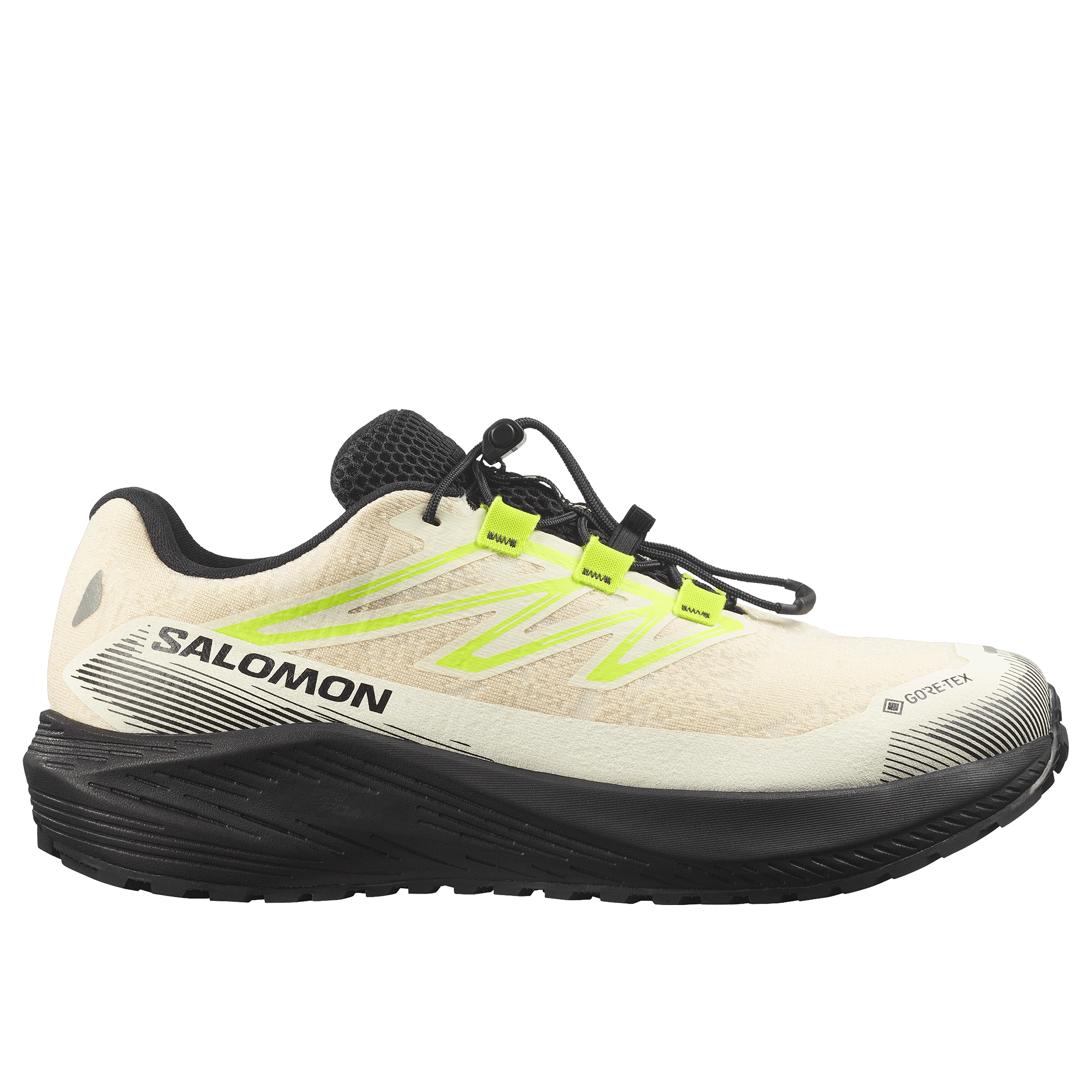
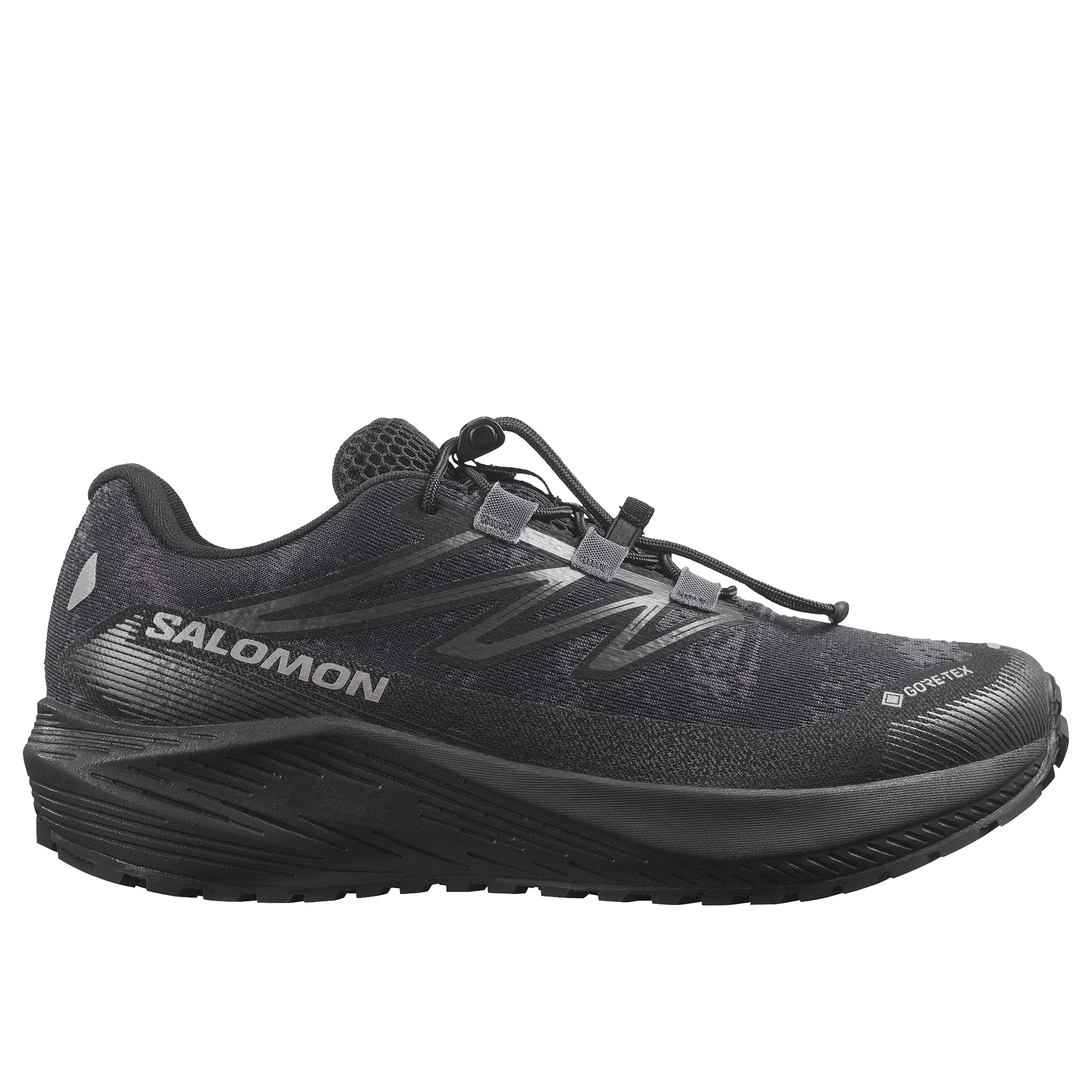
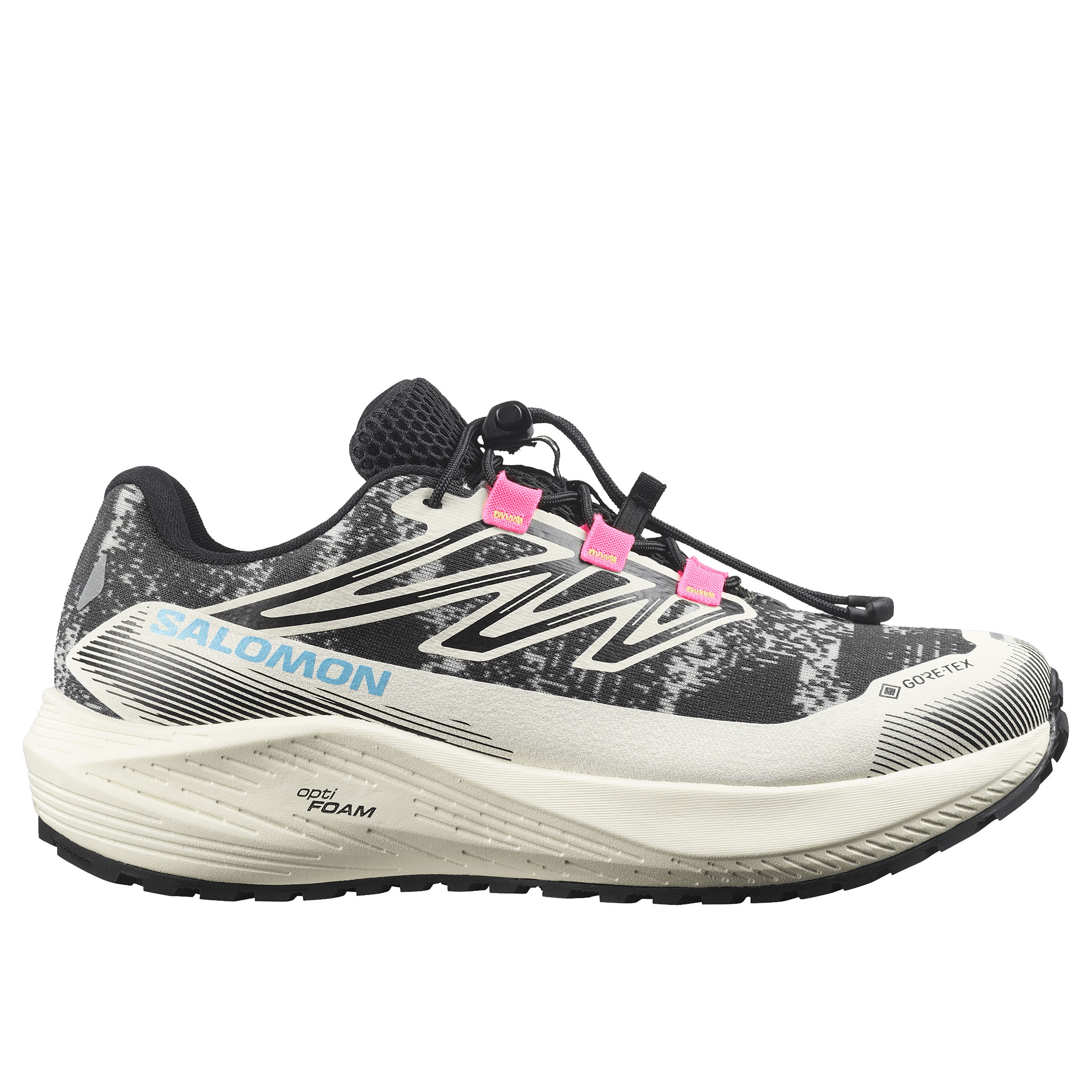
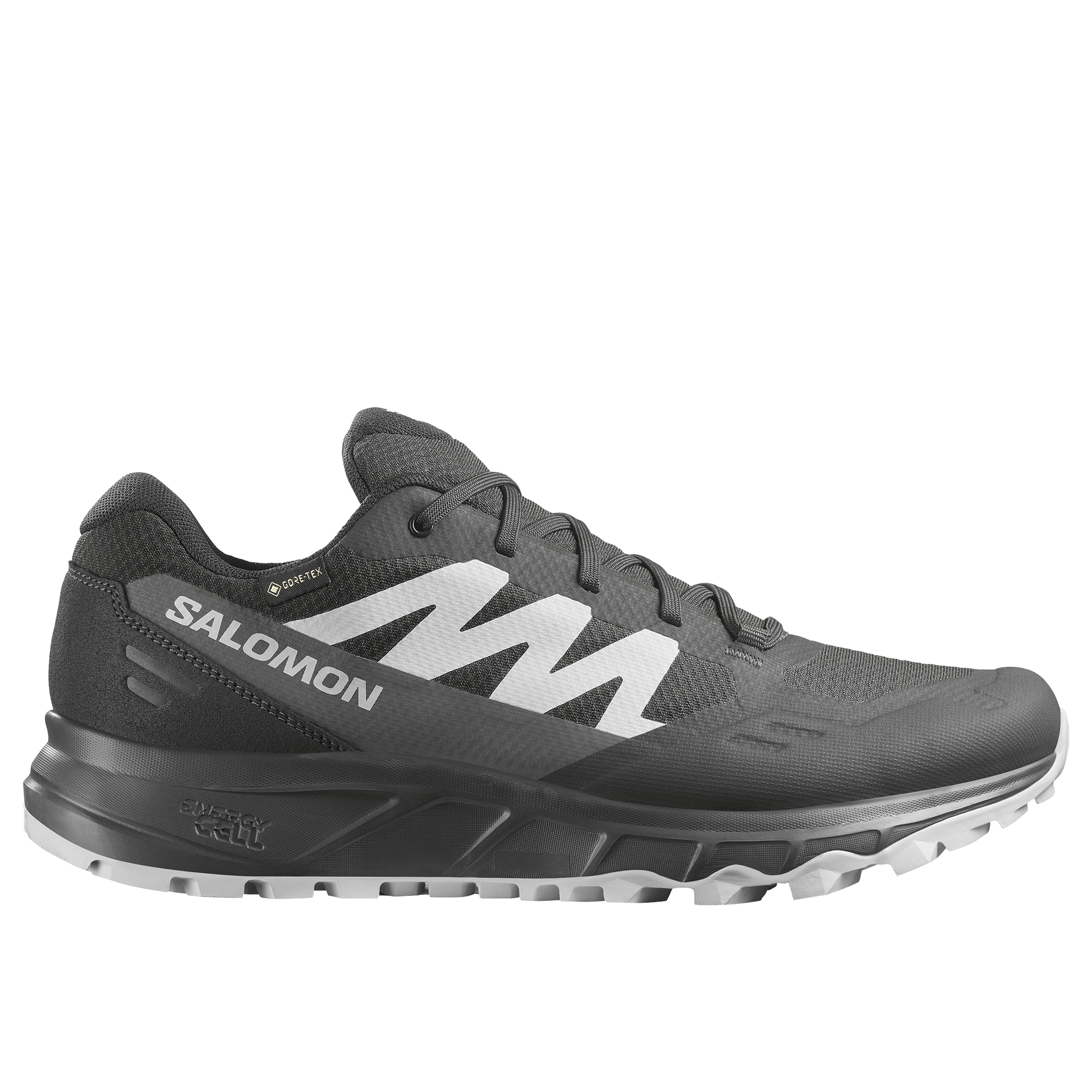
Salomon Outpath GORE-TEX Hiking Shoes
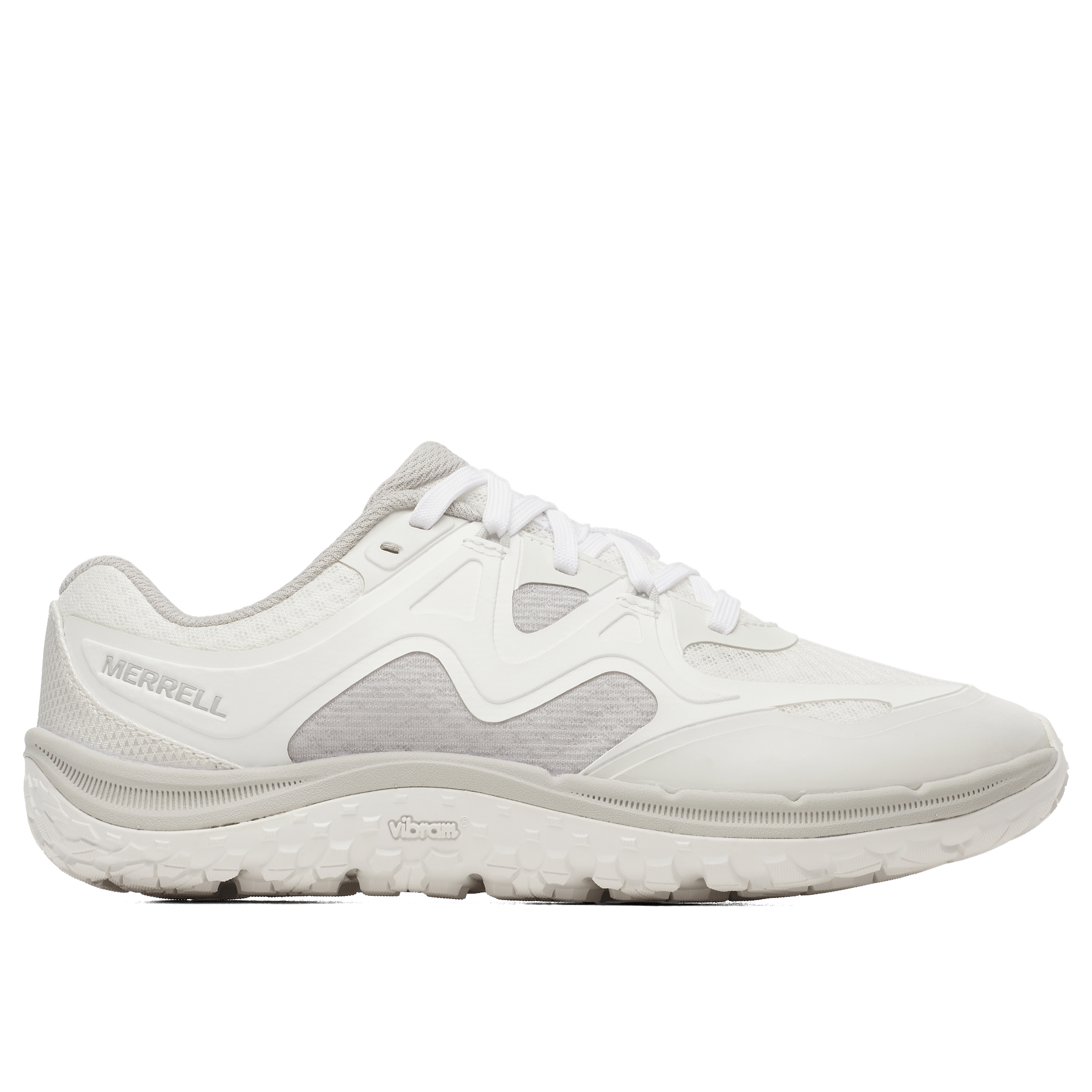
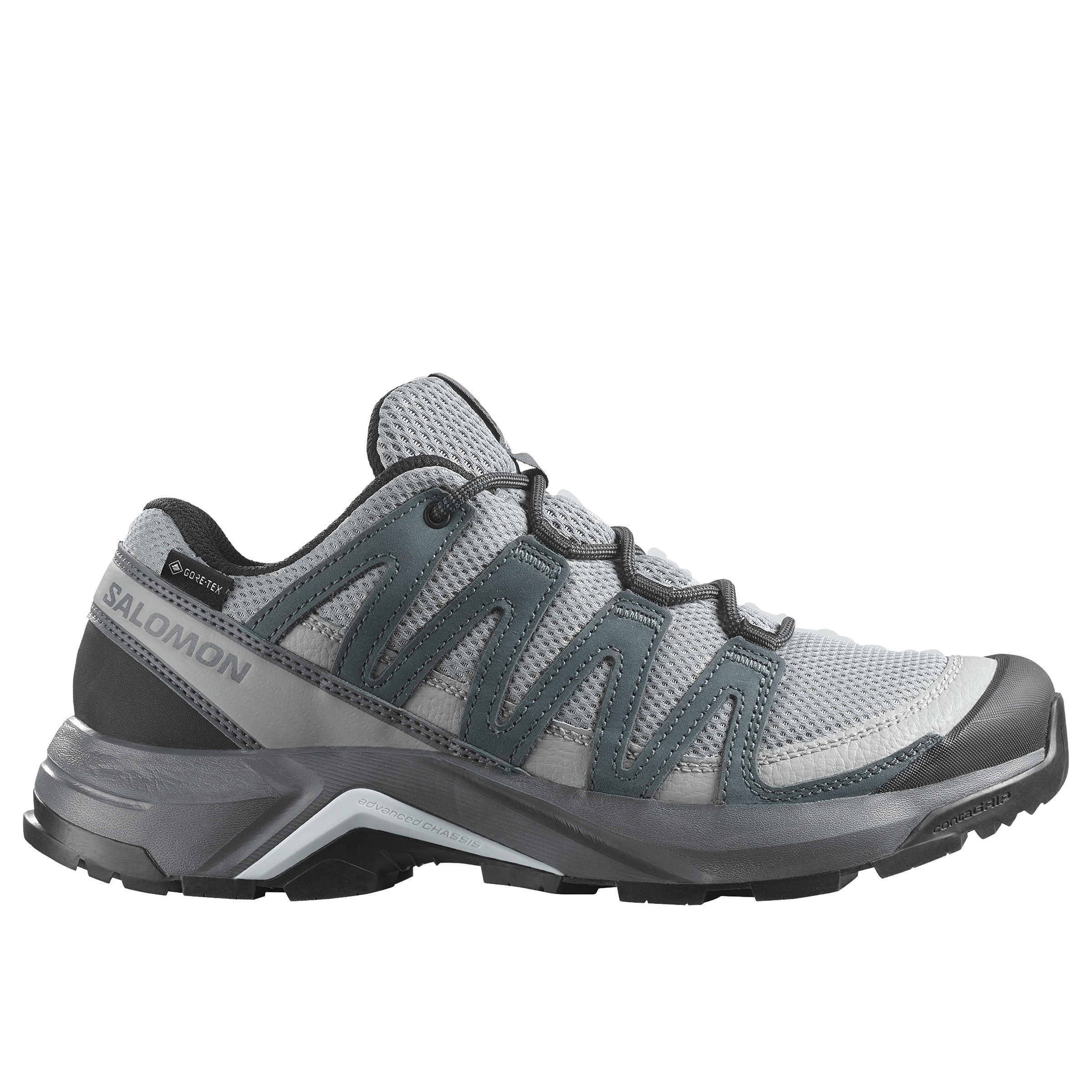
The Outpath GORE-TEX is a Salomon outdoor shoe for hikers who want lightweight outdoor shoes.
Its flexible design helps you move naturally across the trail, while a GORE-TEX membrane provides waterproof protection when the walk starts to get wet.
Salomon's Contagrip outsole gives grip across terrain, and a protective toe cap provides extra coverage when the trail becomes rocky.
Best for: Fast hiking, day trips, trail exploration and hikers who want a lightweight option.
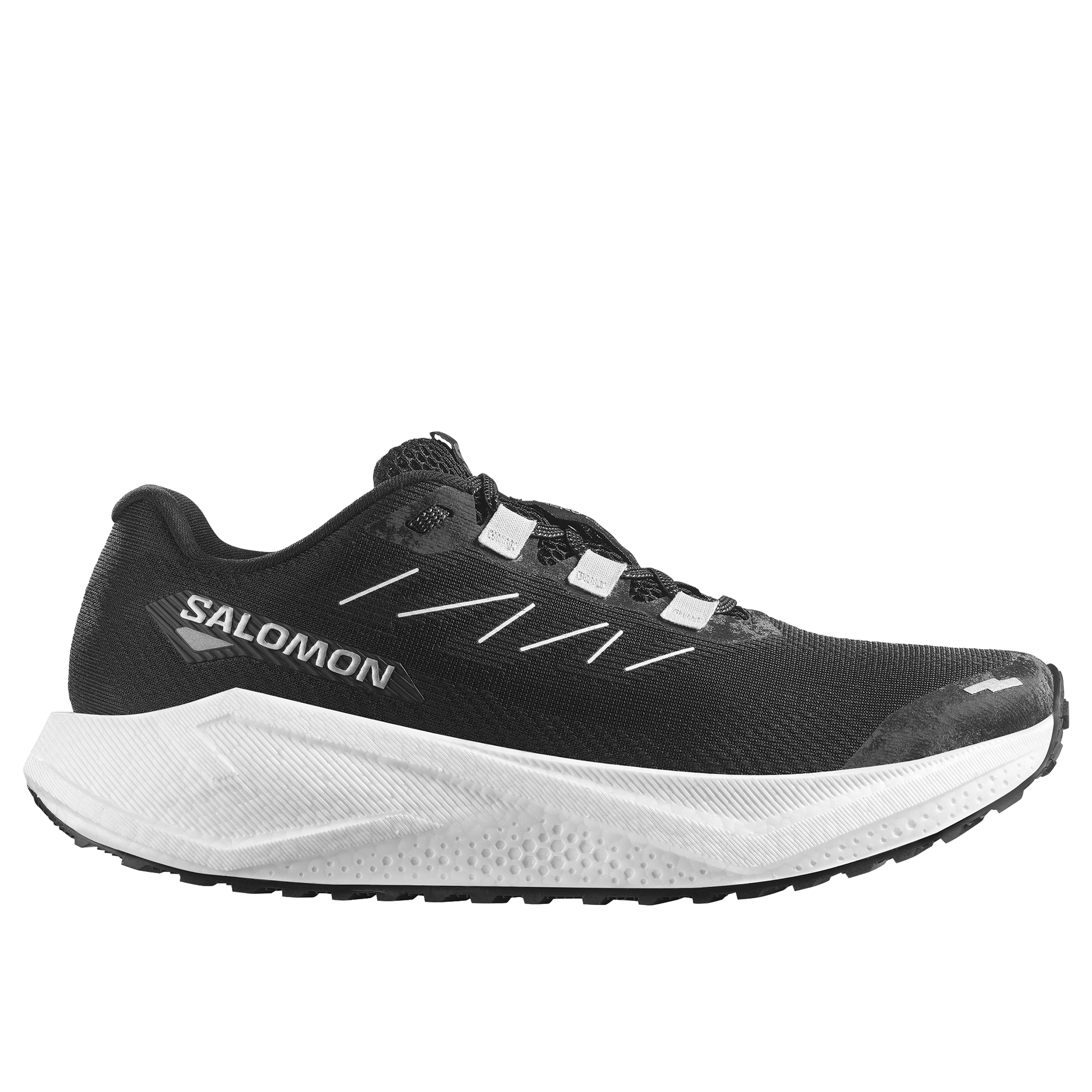
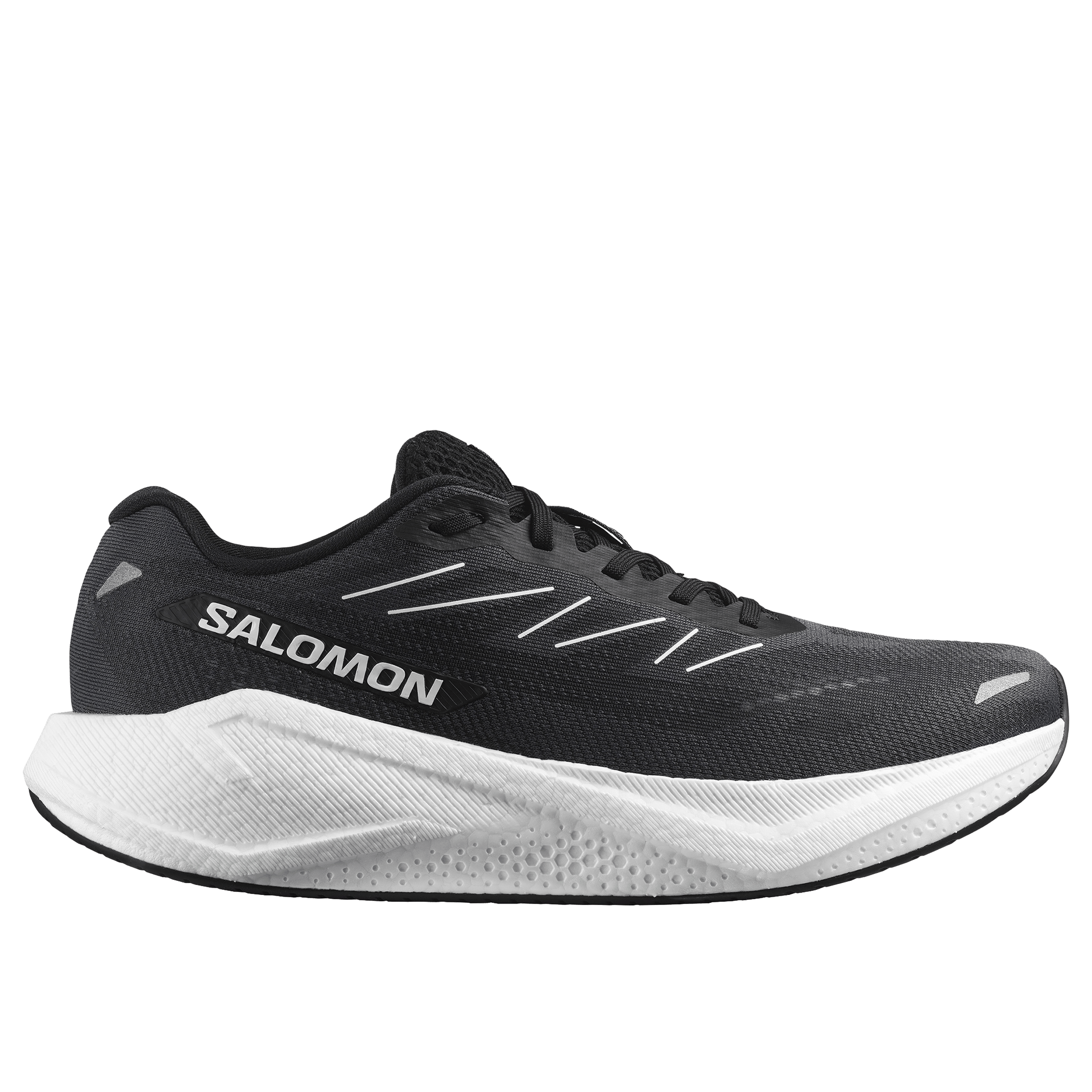
- Trail RunLast Pairs
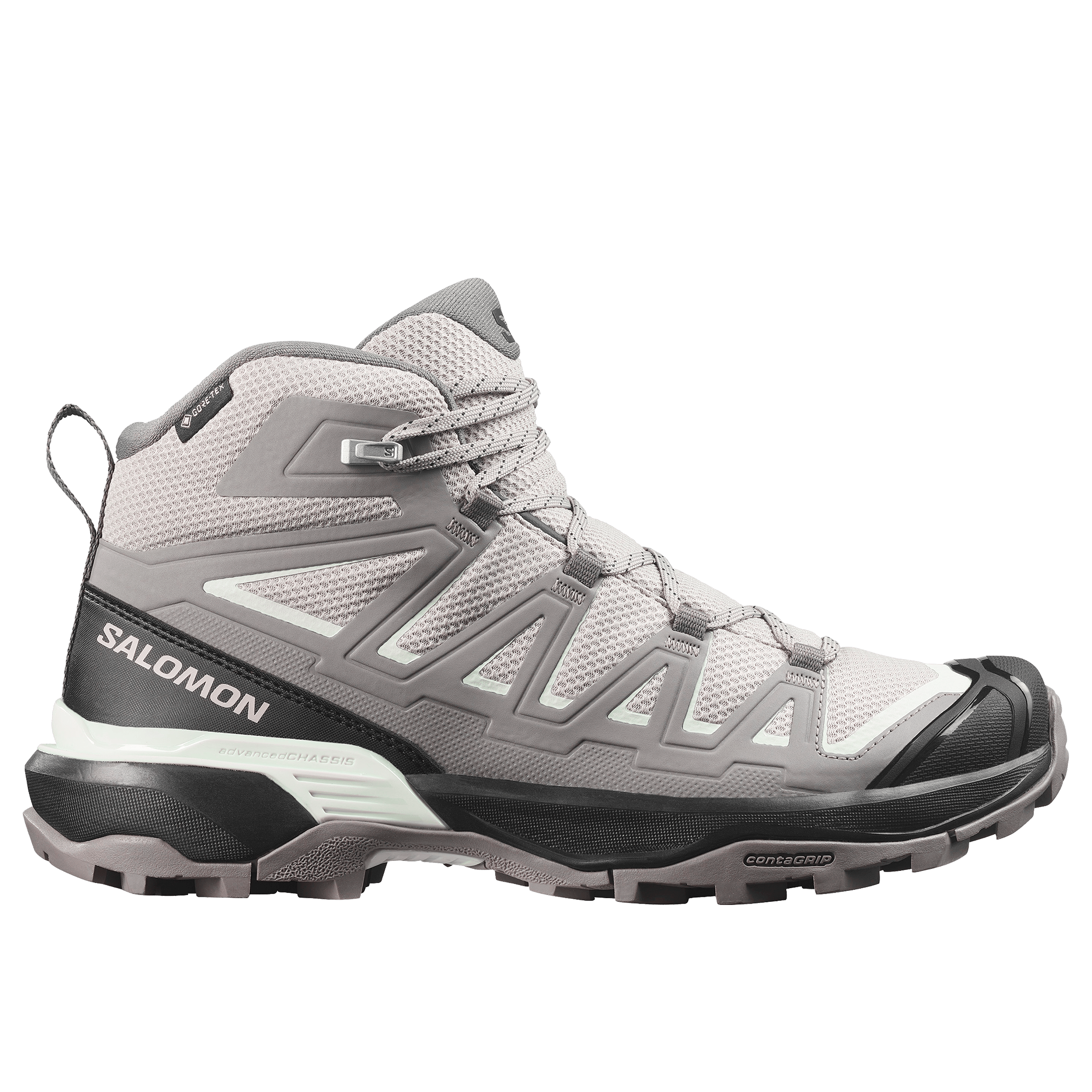
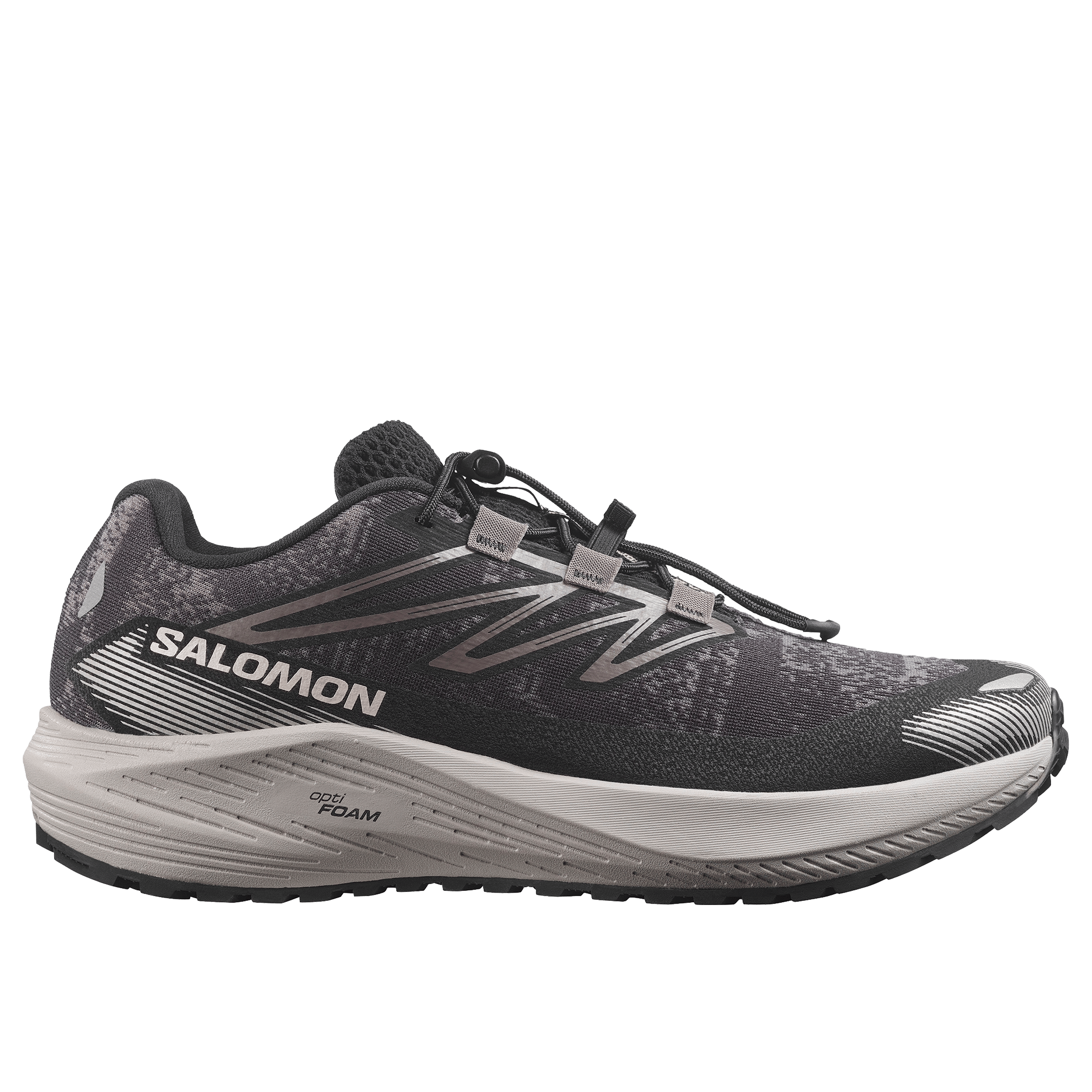
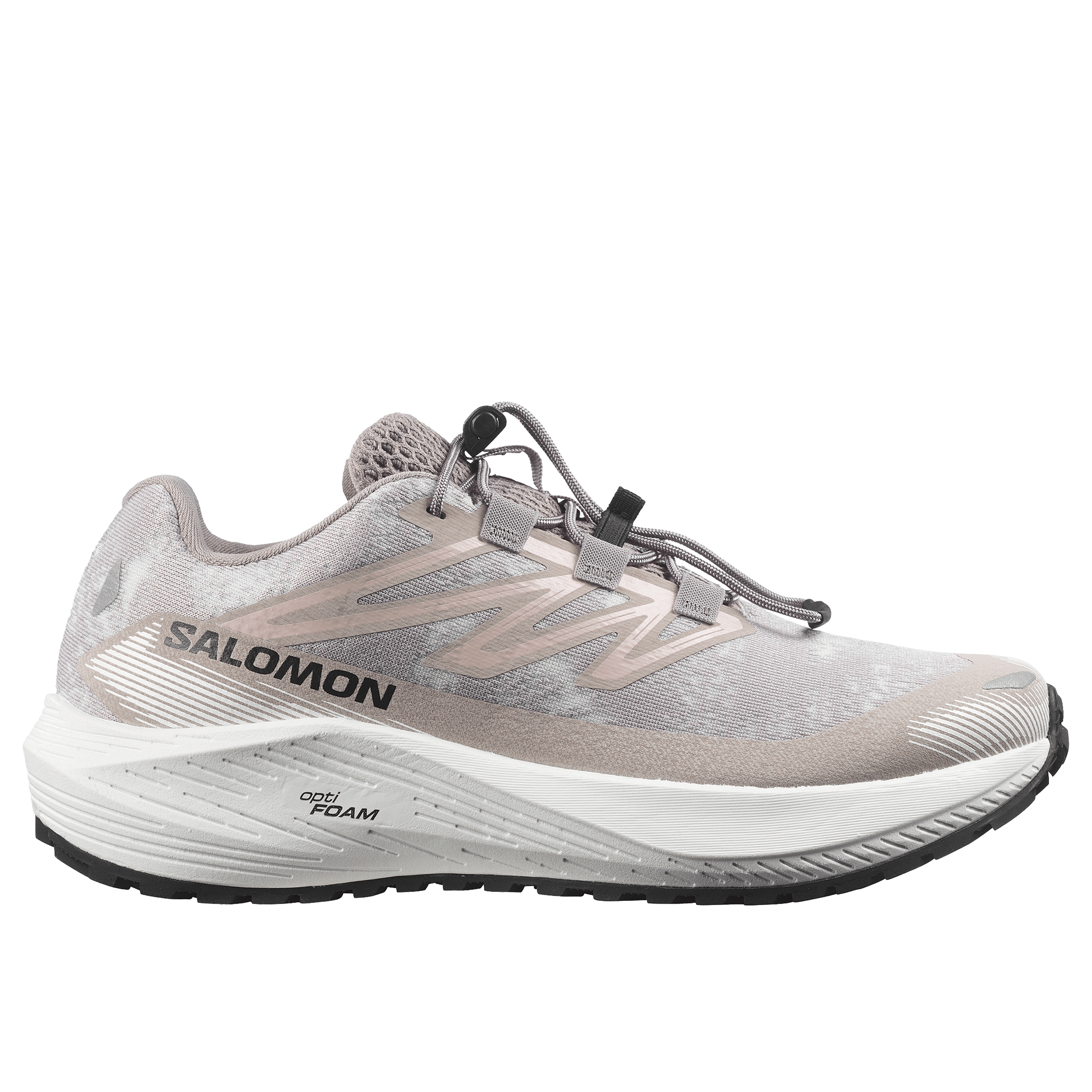
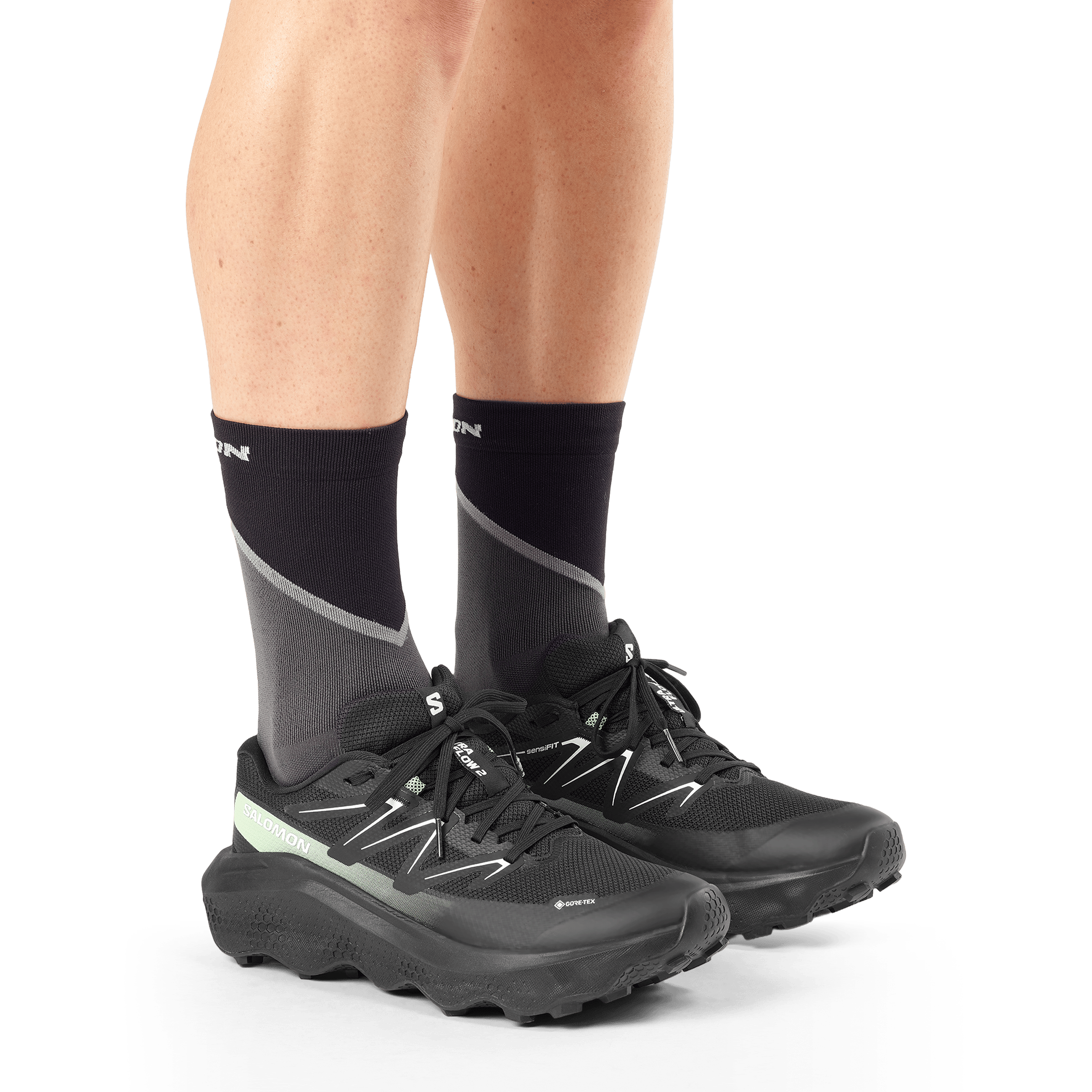
Karrimor Cheetah Waterproof Hiking Boots
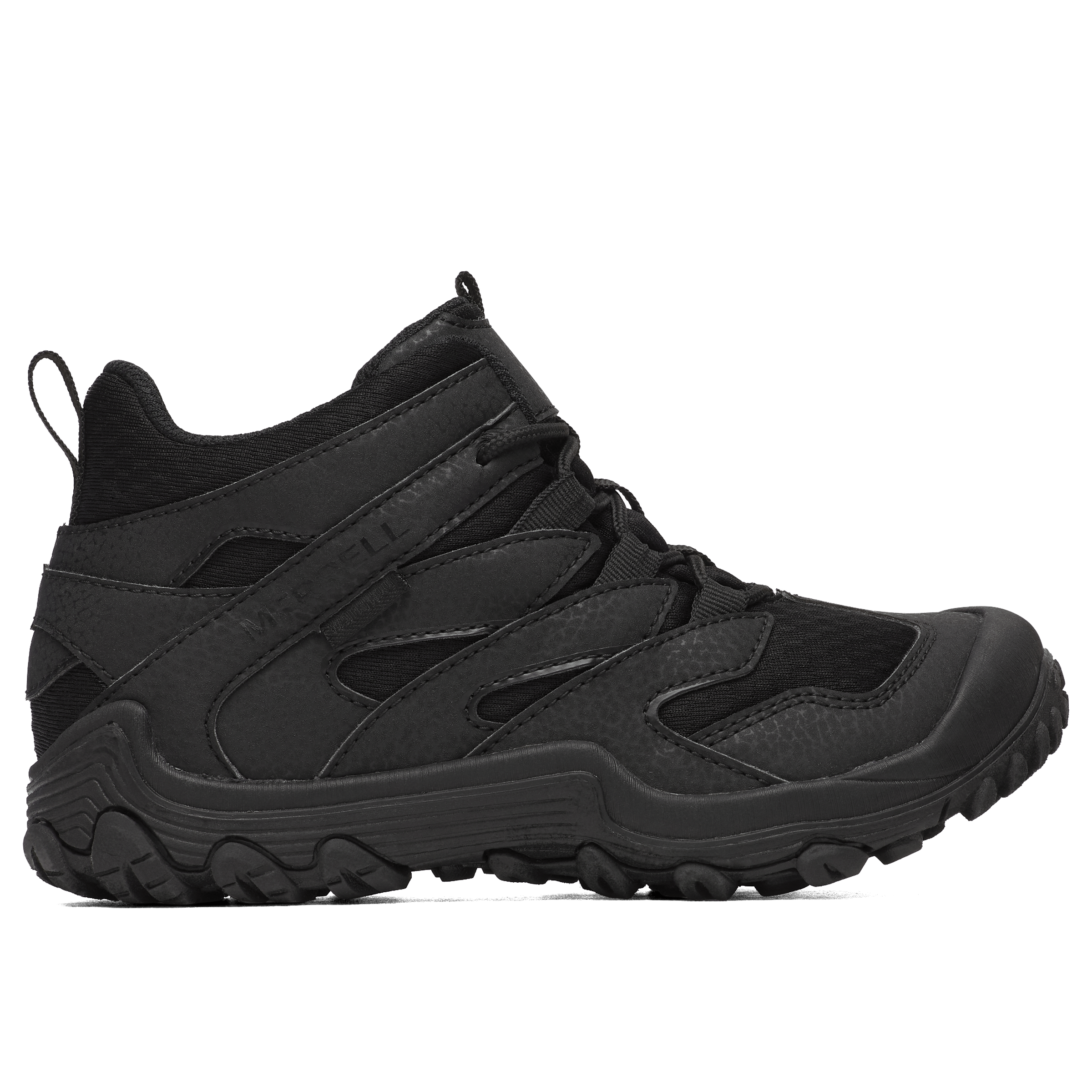
For greater ankle support and stability, the Karrimor Cheetah Waterproof Hiking Boots combine a higher ankle style with waterproof protection.
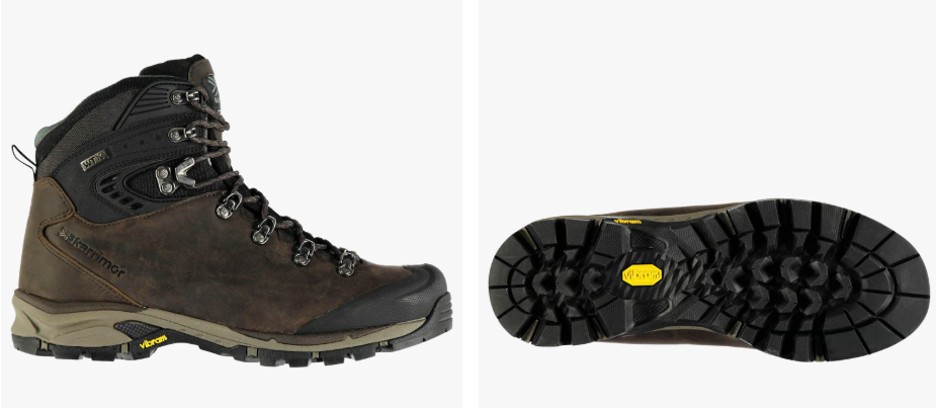
A padded ankle collar adds support and comfort, while the rugged outsole is made to provide grip across variety of terrain. The leather and textile upper also makes the Cheetah a better option for outdoor lovers where lightweight hiking shoes may not provide enough ankle coverage.
Best for: Wet-weather hikes, rugged trails and walkers who prefer the support and protection of a hiking boot.
Pros and Cons of Hiking Boots
Hiking boots are a good option when support, protection and durability are what you need. Their high-top style adds extra coverage around the ankle and can give you more control across rocky, muddy or uneven trails. Waterproof models can also be useful when tackling wet trails.
However, the extra protection usually means more weight. Boots can feel bulkier than hiking shoes and may be less practical for shorter walks and easy hikes.
Pros and Cons of Hiking Shoes
The advantage of hiking shoes is their lightweight and flexible feel. They're easy to move in and can be a great option for day hikes, easy trails and faster walks. Waterproof hiking shoes also give you wet-weather protection without the bulk of a boot.
The downside is that their lower profile provides less ankle support. For rugged ground, long-distance and hikes with a heavy backpack, some walkers may prefer the heavier feel of a hiking boot.
Which should you choose?
Think about the type of hiking you do most often. For shorter day hikes and simple trails, lightweight hiking shoes may provide all the grip, comfort and protection you need. If you're heading onto rougher trails, hiking in wet conditions or want more ankle support, hiking boots are the better choice.
Whichever style you choose, look for a comfy fit, good traction and materials suited to the conditions you're likely to encounter.
Explore hiking boots, hiking shoes and trail running shoes at Sports Direct and find the right pair for your next trip to the top of the mountain.